Inside the Mind of an F/A-18 Enthusiast (Emily) : A Connection Beyond the Aircraft
Emily explores the F/A-18 Hornet and Super Hornet, focusing on carrier aviation, versatility, maintenance, and the people behind every mission.
August 13, 2026

 The F/A-18 Hornet and Super Hornet are more than just fighter aircraft to me. They represent decades of naval aviation, engineering, teamwork, and the dedication of the people who keep them flying. What interests me most is not simply how the aircraft look or how they perform, but the entire environment surrounding them.
One of the biggest things that stands out to me is the F/A-18's role aboard aircraft carriers. Carrier aviation has always fascinated me because of just how difficult it is. These aircraft operate from a moving ship in the middle of the ocean, launch from a catapult, fly their mission, and then return to a flight deck that suddenly seems incredibly small when an aircraft is approaching at speed.
That kind of flying requires an enormous amount of precision from the pilot, but the pilot is only one part of the story. Every launch and recovery depends on the people working on the flight deck, the maintenance crews preparing the aircraft, and the countless sailors supporting the operation behind the scenes.
That teamwork is part of what makes the F/A-18 so interesting to me.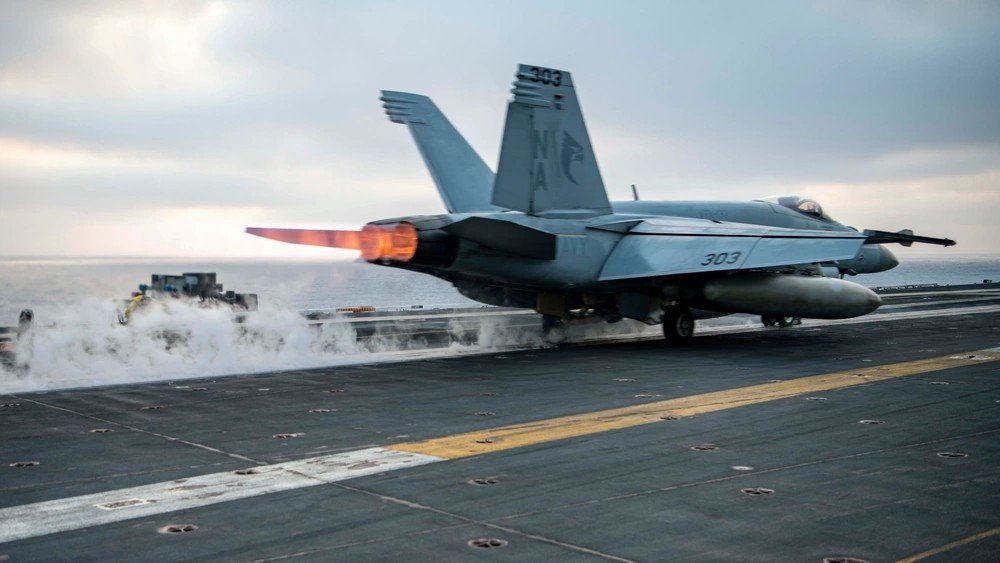
The aircraft itself is also impressive because of its versatility. The F/A-18 was never limited to simply being a fighter. It could fight other aircraft, attack targets on the ground, support forces below, and perform a variety of missions depending on what was needed.
That ability to adapt is a major part of why the Hornet became such an important aircraft in naval aviation.
There are aircraft that may be faster or more specialized in a particular role, but the F/A-18's strength comes from being able to do many different jobs while still operating from an aircraft carrier. It is not simply about speed or maneuverability. It is about being useful in a wide variety of situations.
The Super Hornet continued that idea on a larger scale. Although it shares the F/A-18 name and appearance of the earlier Hornet, it became a larger and more capable aircraft that carried the basic concept forward. It remained a fighter and strike aircraft while continuing to serve as one of the most recognizable aircraft associated with modern U.S. Navy carrier aviation.
But for me, the people behind the aircraft are just as interesting as the aircraft itself.
 A big part of that comes from my uncle's connection to the F/A-18. Because someone close to me actually worked on these aircraft, I find myself thinking about the parts of aviation that most people never see.
We usually see the finished product. We see the aircraft launch from the carrier, perform a mission, or fly during an airshow. We see the pilot climb into the cockpit and the aircraft disappear down the runway or off the end of a carrier deck.
What we do not always see are the hours of work that made that flight possible.
I would want to know what a normal day was like for the people who maintained the F/A-18. I would want to hear about the problems they dealt with, the frustrations, the long hours, and the things that experienced maintainers learned about the aircraft that would never appear in a technical manual or public description.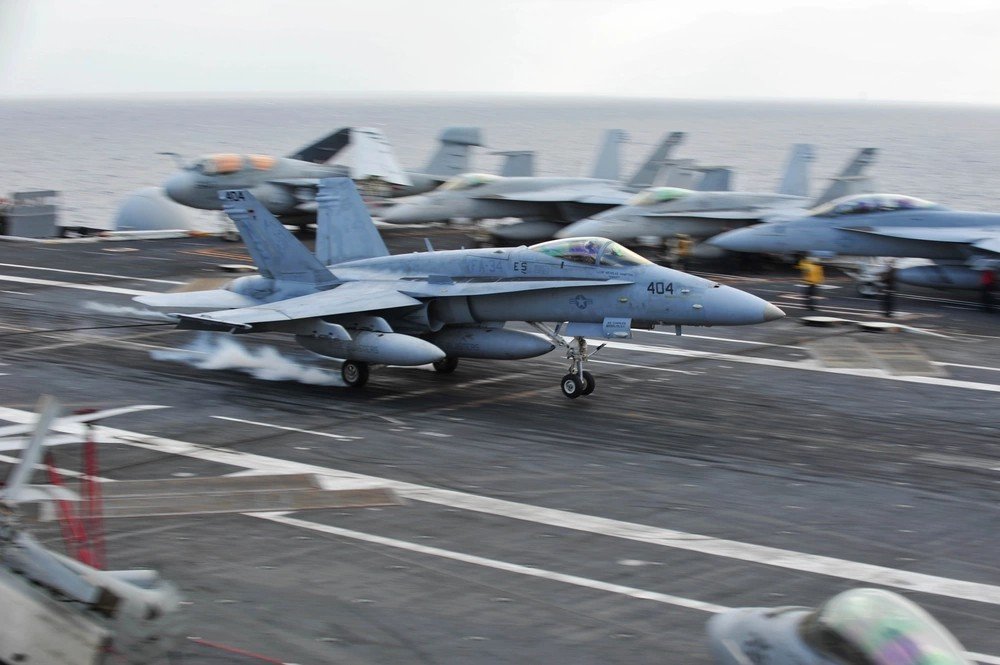
Those are the stories that interest me.
If I could ask my uncle one question about the F/A-18, I think it would be simple: What is something about the aircraft that most people do not know?
That question probably says a lot about why the F/A-18 interests me in the first place. I am curious about the details behind the obvious story. I want to know about the small things, the lessons learned from working around the aircraft every day, and the reality of maintaining something so complicated in an environment as demanding as naval aviation.
An aircraft carrier is already an incredible machine by itself. Then you add aircraft, weapons, fuel, maintenance, flight operations, and thousands of people working together in a relatively small space surrounded by ocean. Every aircraft that launches from that deck represents the work of far more people than the pilot sitting in the cockpit.
That is what makes the F/A-18 story interesting to me.
It is not just the fighter.
It is the carrier it flies from, the mission it performs, the people who maintain it, the sailors working the flight deck, and the experiences of the men and women who spent years of their lives keeping these aircraft operational.
 The F/A-18 Hornet and Super Hornet represent an entire community built around naval aviation. The technology is impressive, and the aircraft themselves have certainly earned their place in military aviation history, but I think the human story behind them is just as important.
For me, understanding the F/A-18 means understanding all of it: the aircraft, the missions, the maintenance, the carrier environment, and especially the people who make every flight possible.
History survives because people choose to preserve it. Help us keep these stories alive