Emily's Screening Room:The Pacific
The Pacific reveals the Marine experience through brutal combat, brotherhood, sacrifice, haunting music, and the lasting emotional cost of war itself.
August 12, 2026

 The Pacific affected me differently than Band of Brothers. Both are outstanding World War II miniseries, but they do not feel like the same kind of story. Band of Brothers is built around the friendship and shared journey of Easy Company. The Pacific feels more isolated, more brutal, and much darker.
That difference is one of the reasons it has stayed with me.
The series follows Robert Leckie, Eugene Sledge, and John Basilone, three real Marines who experienced the Pacific War in very different ways. Through them, we see combat, exhaustion, fame, friendship, trauma, and the difficult return home.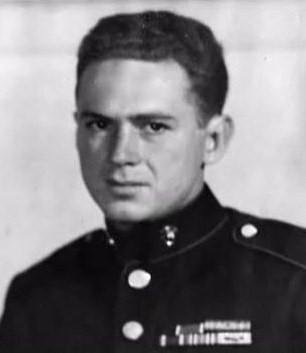
What stood out most to me was the experience of the Marines themselves. The series does not present the Pacific as a clean or heroic adventure. It shows unbearable heat, mud, disease, thirst, insects, rotting bodies, and an enemy who could be hidden only a few feet away.
The islands almost become an enemy of their own.
 Eugene Sledge’s story was especially powerful. He begins as a young man eager to serve, but the war slowly strips away his innocence. He becomes harder, angrier, and increasingly numb to the death around him. He survives, but the man who returns home is not the same person who left.
John Basilone’s story shows another side of war. He becomes a national hero after Guadalcanal and is sent home to sell war bonds. The public celebrates him, but they cannot truly understand what he experienced or the men he lost. His decision to return to combat says a great deal about his loyalty to the Marines still fighting.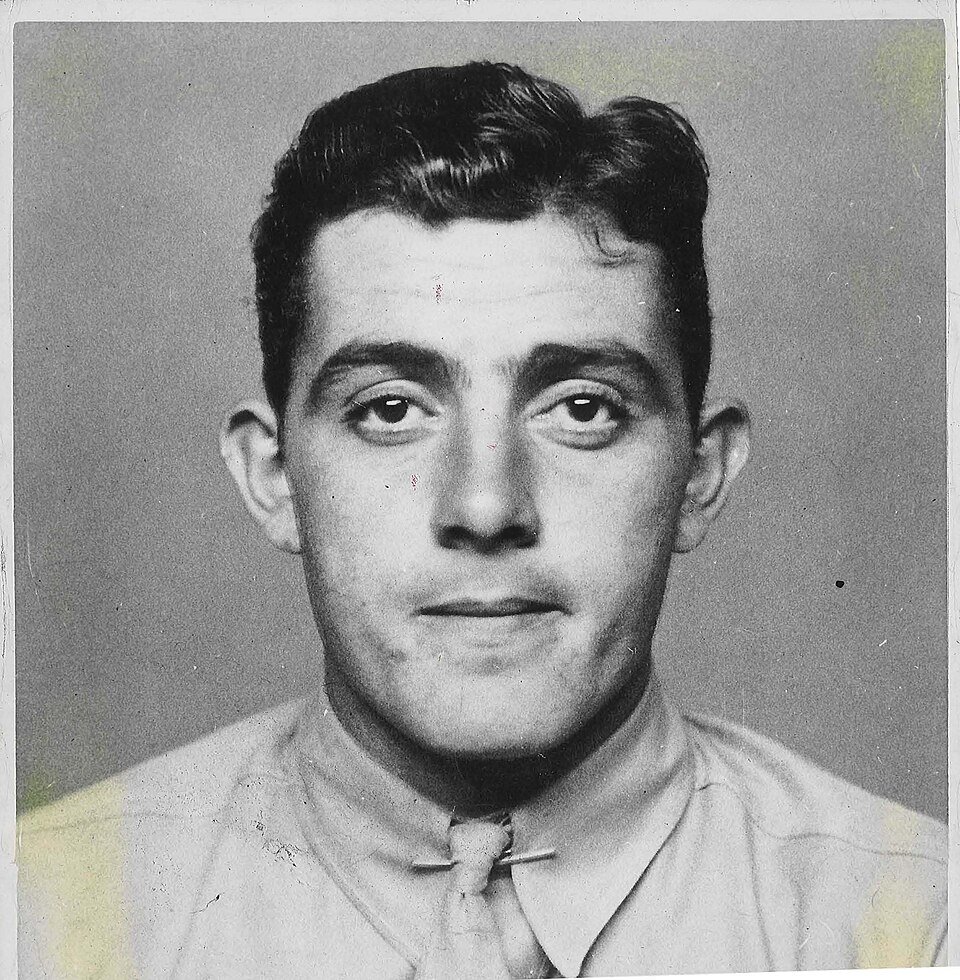
The combat scenes are intense, but the emotional damage is what stayed with me most. The series shows that surviving a battle does not mean escaping the war. Some men returned with visible wounds. Others carried nightmares, guilt, anger, and memories they could never fully explain.
I also loved the soundtrack. The music is haunting rather than triumphant, and it gives the entire series the feeling of a memorial. Even during quiet scenes, the score reminds us that we are watching memories of men and events that continued to live inside the survivors.
I do think The Pacific can be too slow at times. Some of the scenes away from combat seem to drag. However, those quieter moments help show that the story is not only about what the Marines did during the war. It is also about what the war did to them.
That is especially clear when the men return home. Their families are grateful to have them back, but they cannot fully understand what they have been through. The fighting may have ended, but the war remains with them.
Why The Pacific Matters to Ghosts of the Battlefield
The Pacific matters to Ghosts of the Battlefield because it shows why military history must always remain connected to people.
A helmet is not simply a helmet. A uniform is not merely cloth. A canteen, rifle, medal, or photograph once belonged to someone who was frightened, exhausted, homesick, brave, and forever changed by what he experienced.
The series restores that human connection.
 Ghosts of the Battlefield preserves military artifacts not to glorify war, but to remember the people behind them. Without those personal stories, an artifact loses much of its meaning.
That is what I appreciate most about The Pacific. It takes enormous battles and famous campaigns and brings them back to the individual Marines who endured them.
The series can be slow, dark, and difficult to watch. That is also why I love it. It does not simply show us how these men fought. It shows us what they sacrificed, what they carried home, and why their experiences must never be forgotten.