Emily's Screening Room: The Great Escape
My thoughts on how The Great Escape blends suspense, action, courage, and sacrifice in a story of prisoners who refused to surrender.
August 20, 2026

 The Great Escape has always stood out to me because of its suspense, action, and constant sense of pressure. Even during the quieter parts of the movie, there is always the feeling that the entire plan could fall apart at any moment.
A guard could notice disturbed soil, discover a hidden tool, or overhear the wrong conversation. Every part of the escape depends on the prisoners working together and doing their jobs correctly.
What I enjoy most is watching the plan slowly come together. The tunnels are impressive, but so is everything happening around them. The prisoners must hide the dirt, forge documents, create civilian clothes, copy maps, gather information, and distract the guards.
The escape becomes almost like a military operation inside the prison camp. Everyone has a role, and one mistake could endanger the entire group.
The courage shown in the movie is different from the courage normally seen in war films. These men are not charging enemy positions or fighting through artillery fire. Their courage is patient and determined.
They know they could be punished, placed in solitary confinement, or killed if the plan is discovered. Even so, they continue. Escaping is not simply about returning home. It is also a way of continuing the fight and forcing the Germans to use men and resources to search for them.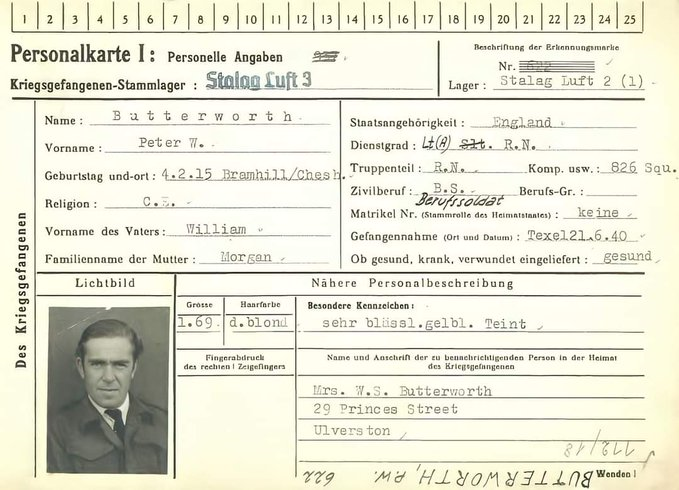
Virgil Hilts is the character who stands out most to me.
Hilts is stubborn, independent, and almost impossible to intimidate. He repeatedly challenges the guards, attempts to escape, and spends so much time in solitary confinement that he seems to treat it like his own private room.
His attitude provides some of the film’s humor, but it also shows his determination. The Germans may control the camp, but Hilts refuses to allow them to control his spirit.
At first, he seems more interested in escaping alone than becoming part of the larger operation. As the story continues, however, his loyalty to the other prisoners becomes clear. He is willing to place himself in danger to gather information that might help the entire group.
The motorcycle chase is naturally one of the film’s most memorable sequences. It is fast, exciting, and filled with the suspense that I enjoy most about the movie. By that point, we understand how much work went into the escape and what recapture could mean.
 Every patrol, roadblock, and fence becomes another obstacle between Hilts and freedom.
I also appreciate the friendship between the prisoners. They have different personalities and react to captivity in different ways, but they remain united by their determination to escape. They protect one another, share information, and continue working even when the chances of success appear small.
Although the film changes some historical details and creates fictional characters, it was inspired by the real mass escape from Stalag Luft III in March 1944. Knowing that real prisoners dug the tunnels, prepared the disguises, and accepted enormous risks gives the film much greater meaning.
The ending also prevents the movie from becoming only a lighthearted adventure. Many of the prisoners are recaptured, and the cost of the escape is devastating. Courage does not guarantee freedom, and determination does not always lead to survival.
For me, The Great Escape is ultimately about refusing to surrender mentally.
The prisoners are trapped behind barbed wire, but they continue using their intelligence, humor, training, and courage against their captors. The Germans can imprison them, but they cannot completely break their spirit.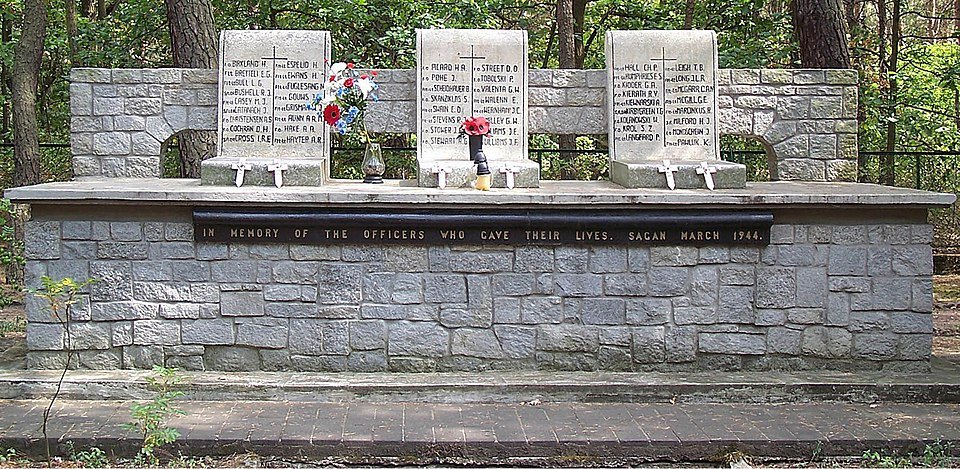
That combination of suspense, action, friendship, courage, and sacrifice is why The Great Escape remains so memorable to me.