Emily's Screening Room :1917
A personal review of 1917, praising its immersive one-shot style, powerful final run, unforgettable atmosphere, and gripping wartime story throughout.
September 5, 2026

 1917 is an outstanding movie and one I would recommend to almost anyone, even if they do not usually watch war films. It is visually impressive, emotionally powerful, and very different from most other movies set during the First World War. From the opening scene, the film places the viewer beside its main characters and rarely allows the tension to disappear.
The story follows two young British soldiers who are given an urgent mission. They must cross dangerous territory and deliver a message that could prevent hundreds of men from walking into a German trap. The idea behind the story is simple, but the journey becomes increasingly dangerous as the soldiers move through abandoned trenches, ruined towns, open fields, underground bunkers, and battle-scarred countryside.
One of the biggest reasons 1917 stands out is its one-shot style. The movie was designed to appear as though it was filmed in one long, continuous take. Instead of cutting between different characters and locations in the normal way, the camera seems to move alongside the soldiers throughout their journey.
This could easily have felt like a gimmick, but it never did to me. Instead, it made me feel as though I was experiencing everything beside the characters. I felt like I was following them through the trenches, climbing over obstacles with them, and entering every dangerous situation without knowing what might be waiting ahead.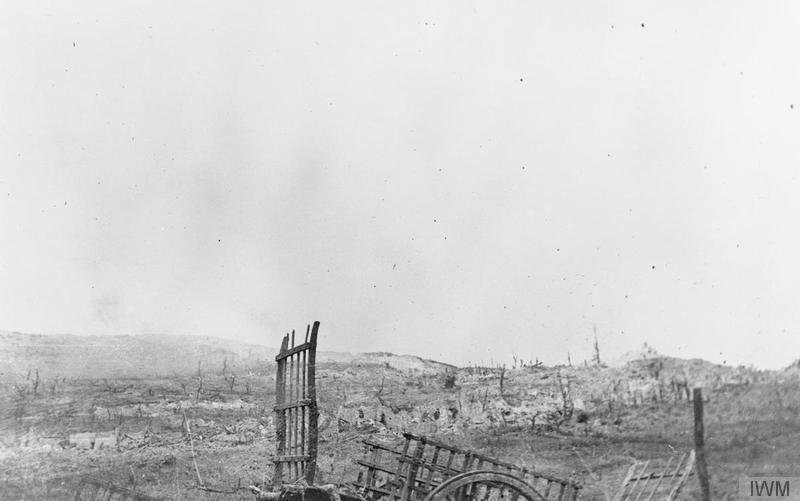
There is almost no break from the tension. Even during the quieter moments, the camera remains close to the characters, reminding us that their mission is still moving forward and that time is running out. Every decision feels immediate because the audience is not given the usual chance to step away from the action.
The style also makes the journey feel exhausting. The characters cannot simply pause the story when they become tired, frightened, or overwhelmed. They have to keep moving, and the audience moves with them. That sense of constant forward motion helped me understand the physical and emotional pressure they were under.
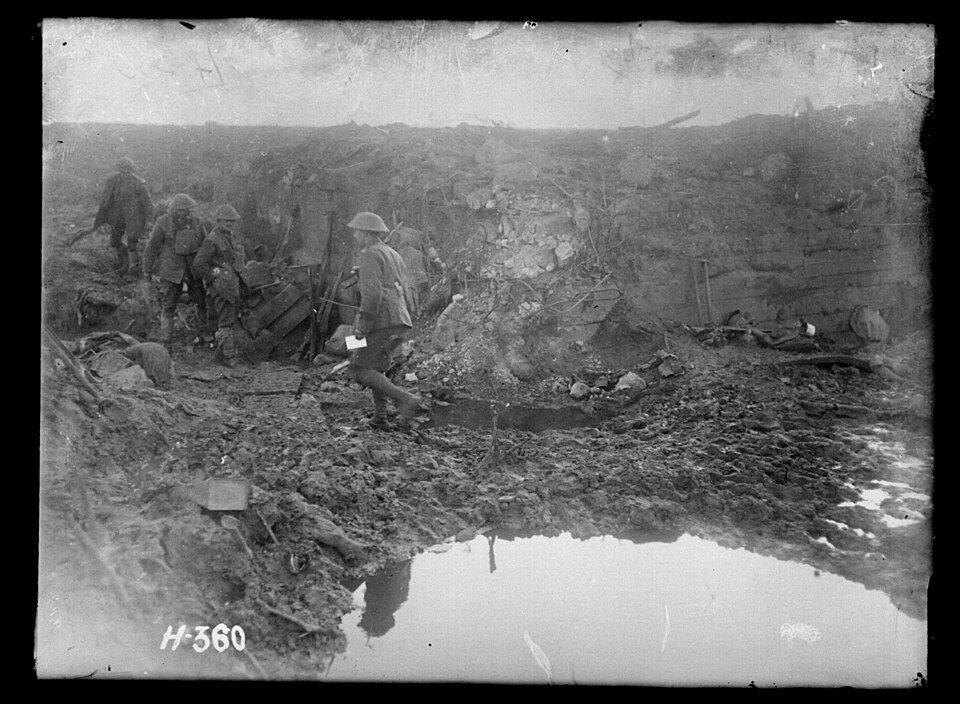
 The cinematography is one of the strongest parts of the film. Almost every location feels carefully designed, from the muddy trenches and flooded shell holes to the destroyed buildings and open fields. The battlefield is not shown as one large action scene. It feels like a damaged world filled with reminders of the people who have already passed through it.
The atmosphere is made even stronger by the music. The score builds slowly during several important scenes, increasing the tension without overpowering what is happening on screen. At other times, the movie becomes quiet enough that small sounds—footsteps, distant gunfire, breathing, or the movement of water—become unsettling.
The performances also help make the story believable. The two main characters do not feel like unstoppable action heroes. They feel like ordinary young soldiers who have been handed an extraordinary responsibility. They become afraid, tired, injured, and uncertain, but they continue because other lives depend on them.
My favorite part of the movie was the final run across the battlefield. It felt like everything the film had been building toward finally paid off. The music, the visuals, the explosions, and the chaos all came together to create one of the most memorable scenes in the movie.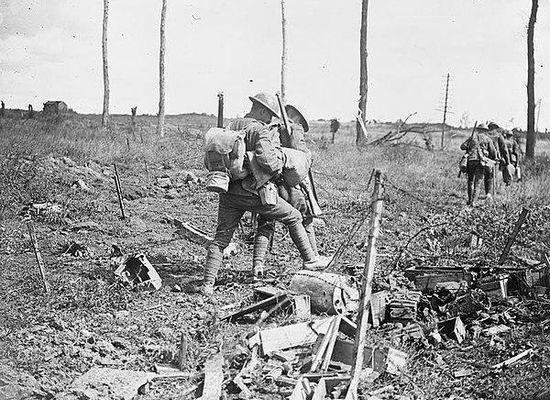
What makes the scene so powerful is that the character is not running toward glory. He is trying to complete his mission before it is too late. Soldiers rush past him, explosions strike nearby, and the entire battlefield seems to be moving in the opposite direction. After following the journey so closely, the audience understands exactly what that run means and how much has already been sacrificed to reach that moment.
It is the scene that stayed with me the most after the credits rolled. Even without a long speech or explanation, it captures the desperation, courage, and confusion of the entire story.
The only thing that kept 1917 from being a perfect movie for me was the pacing. There were a few stretches where it slowed down more than I would have liked. Some of the quiet sections are important because they allow the characters and the audience to process what has happened, but there were moments when I felt the movie lost some of its momentum.
I do not think the film needed major changes or more action. Adding constant fighting would probably have weakened the story. I simply think a few sections could have moved a little faster while still keeping the same atmosphere and emotional impact.
Other than that small criticism, I would not really change anything. The slower moments did not ruin the experience, and the movie quickly pulled me back in whenever the danger returned.
What I appreciated most about 1917 was that it showed war as a personal experience. The story is connected to a much larger conflict, but the movie remains focused on a small number of people and one urgent mission. The characters are surrounded by thousands of soldiers, yet much of the journey feels lonely and uncertain.
 That personal focus makes the story easier to connect with, even for someone who does not normally enjoy war movies. The film is not only about battles, military strategy, or historical events. It is also about friendship, responsibility, fear, determination, and the decision to keep moving when giving up would be easier.
Even with my small criticism about the pacing, I still think 1917 is an incredible film. The cinematography, atmosphere, performances, music, and sense of immersion make it one of the best modern war movies I have seen.
It is the kind of movie that stays with you after you finish it. Certain images and moments remain in your mind, especially the final run and the quieter scenes that follow it. It is also a movie that deserves to be watched on the largest screen possible because so much of its power comes from the way it looks and sounds.
I would happily watch 1917 again. If someone asked me whether they should see it, my answer would be an easy yes. It is a film worth experiencing at least once—and probably more than once.