Does History Have to Stop to Be Preserved?
Can a historic place find a new purpose without losing its past? From wartime airfields to modern museums, history survives when its story lives on.
August 28, 2026

Recently, my daughter brought up a question that sounded simple at first, but the longer we talked about it, the more I realized just how profound it really was. She had been talking about Silverstone Circuit in Britain, famous today as one of the great names in international motorsports. Long before Formula One cars raced there, however, Silverstone was a Royal Air Force airfield opened during World War II. When the war ended, its military purpose ended too. Rather than remain an abandoned wartime airfield and slowly deteriorate, the place found an entirely new life as a racetrack.
Her question was simple: which was really better for history? Should a place like Silverstone have been left alone because of what it once was, even if that meant watching it slowly decay and perhaps eventually disappear? Or was history actually better served because someone found another use for it and kept the place alive?
That question stayed with me because we often talk about preserving history as though preservation means stopping time. We find an old military base, factory, airfield or historic building and instinctively want to keep it exactly as it was. There is certainly value in that. Once something authentic is destroyed, we cannot simply recreate it and pretend nothing was lost. But leaving something alone does not necessarily mean preserving it either. Roofs leak. Concrete cracks. Steel rusts. Windows break. Vegetation moves in. Buildings that once held hundreds of people sit empty because nobody has a reason to maintain them. Eventually, a place everyone agreed was historically important can deteriorate so badly that there is little left to save.
So perhaps the choice is not always between preservation and change. Sometimes the choice may be between change and disappearance.
 We have an incredible American example in Florida. Sebring International Raceway began as Hendricks Field, a World War II Army Air Forces training base. When the war ended, the military mission disappeared, and those enormous stretches of wartime pavement eventually found a completely different purpose. Racing began there in 1950, and Sebring grew into one of the most famous endurance racing venues in the United States.
The bombers disappeared and race cars took their place, but the place survived.
That may matter more than we realize.
Imagine a father taking his daughter to Sebring for the first time. She is there to see the cars and hear the engines. Somewhere during the weekend, though, she notices an old photograph of military aircraft or a marker mentioning Hendricks Field. She looks at her father and asks, “Wait, airplanes used to fly from here?”
Suddenly a conversation begins. They talk about World War II, about the airmen who trained there, about why the field was built and what those young men were preparing to do. Maybe later they look up Hendricks Field. Maybe she starts asking other questions.
She did not go to Sebring looking for military history.
History found her.
That conversation itself has now become a tool of preservation. Something completely new brought a child to a place where something old was waiting to be discovered. The racetrack did not erase Hendricks Field. In a strange way, it vaulted its story into a world that the men who trained there could never have imagined.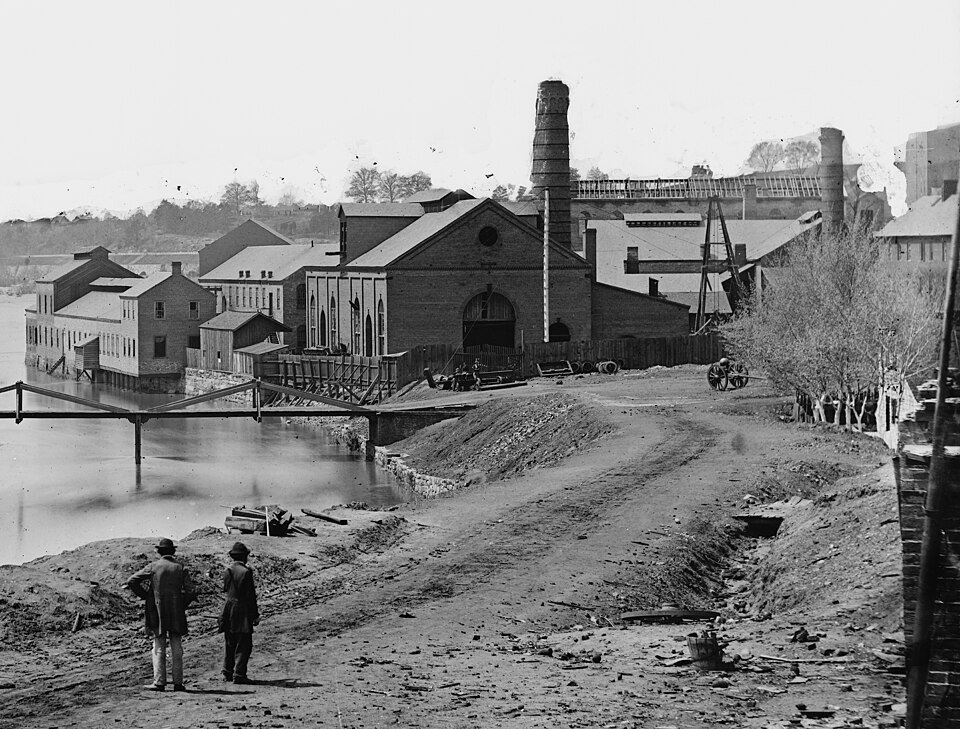
Richmond’s Tredegar Iron Works presents the same idea in a different way. Tredegar existed before the Civil War, became enormously important during it and continued as an industrial site long afterward. Today, the American Civil War Museum incorporates surviving portions of the old ironworks into a modern museum complex. Old brick stands beside modern glass and steel. Nobody is pretending the new building was there during the Civil War. Instead, yesterday and today occupy the same space. A visitor sees the old masonry and wonders why it mattered enough for a modern museum to be built around it.
Again, a question becomes the doorway into history.
Fort Monroe in Virginia presents the issue on an even larger scale. For generations it was an active military installation, but even that description barely covers a place with centuries of history. Buildings changed, missions changed and generations of soldiers and families came and went. Eventually the Army left, but the buildings, roads and infrastructure remained. Some of those places are historically significant and clearly deserve to be protected, but others were simply part of the everyday life of a working military post. Should every one of those buildings become a museum? Or could some become homes, offices, restaurants or businesses while still carrying their history forward?
 Imagine a family having dinner in an old military building. A child notices a photograph on the wall showing soldiers standing in front of the same building eighty years earlier. “This used to be part of the Army?” And there is that conversation again. The building may no longer serve its original purpose, but because it survived, its story still has a chance to be told.
Even Area 51 offers a strange version of the same idea. The installation itself remains active and restricted, but the secrecy surrounding it has become part of American culture. Nearby communities have turned the mystery into tourism with roadside attractions, alien signs, restaurants, souvenirs and the Extraterrestrial Highway. Much of it is entertainment, but buried beneath the UFO mythology is very real Cold War history involving experimental aircraft, reconnaissance and secret military aviation. Someone may stop because they want a photograph with an alien and leave knowing something about the U-2.
History found them through an unexpected doorway.
There is another part of this that is easy to forget. These places did not suddenly begin existing during the historical period we happen to care about most. Before an airfield there may have been farms. Before a military installation there may have been communities. Before a factory there was something else on that land. Places accumulate history. One generation gives a piece of ground one purpose, another generation changes it, and eventually that second use becomes history too.
Silverstone has now been a racetrack for generations. Its racing history has become historic in its own right. Would preserving RAF Silverstone someday mean tearing up one of the world’s most famous racetracks and rebuilding the wartime airfield? Of course not. That sounds absurd, but it reveals something important. Maybe preserving history does not always mean deciding that one particular moment was the moment when time should have stopped.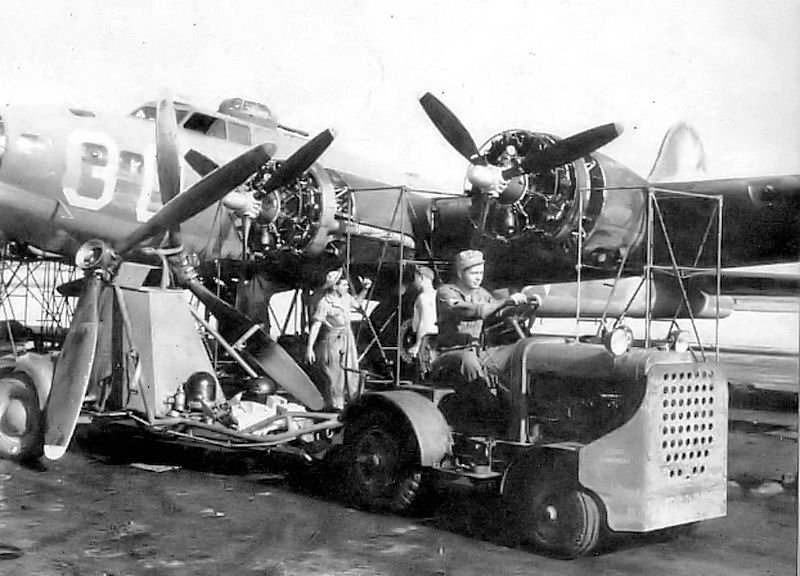
Maybe it means allowing places to continue living while making sure the next chapter does not erase the ones that came before it.
A farm becomes an airfield. An airfield becomes a racetrack. A factory becomes a museum. A military post becomes a community. And somewhere along the way, a child notices an old photograph and asks a question.
Someone answers.
The story survives.
Perhaps sometimes that is preservation at its best—not trapping history in the past, but giving it a way to reach people living today.
But that raises a harder question. What happens when the place we are talking about is not simply an old airfield, factory or military building? What happens when the ground itself is part of the story, when people fought, suffered and died there?
Can those places continue changing too, or are there places where history has earned the right to be left alone?
But what happens when the historic place is a battlefield? Continue to Part Two as we explore where preservation ends, development begins, and when history risks becoming a product.