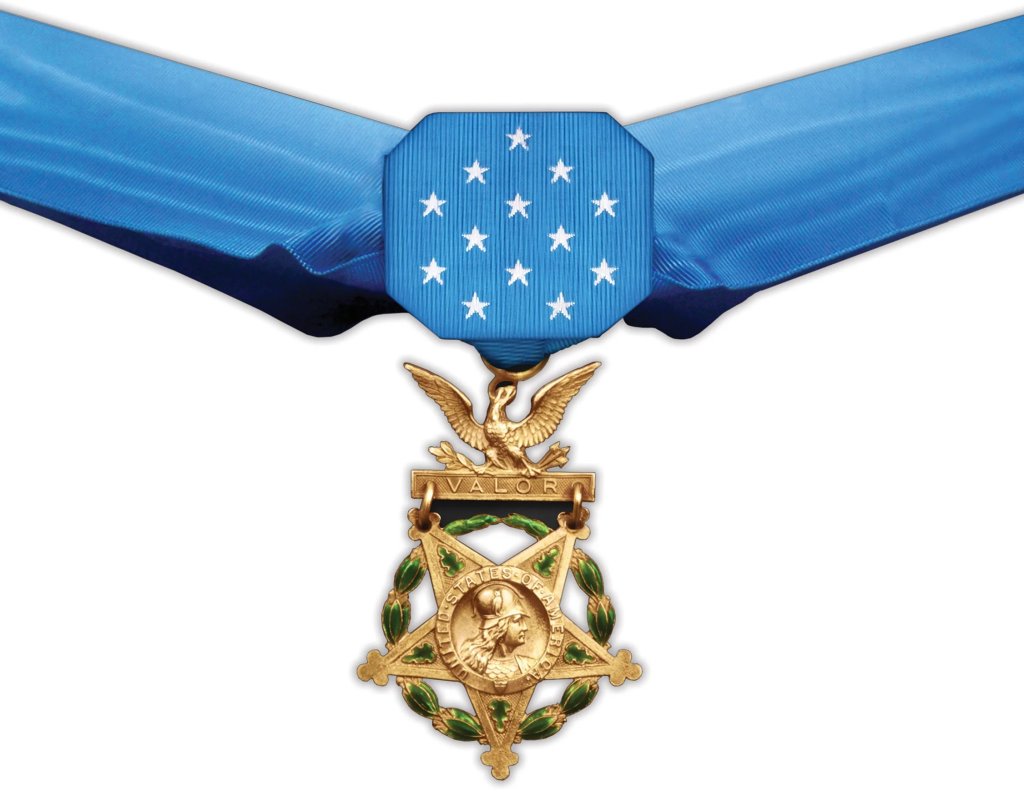
Medal of Honor: Paris D. Davis – Vietnam War – June 17-18, 1965
Wounded twice in an all-night Vietnam battle, Captain Paris Davis refused evacuation. He rescued his men, called danger-close artillery, and stayed until every teammate was accounted for — earning the Medal of Honor nearly sixty years later.
July 15, 2026

 Name: Paris D. Davis
Rank: Captain (Highest Rank: Colonel)
Branch: U.S. Army
War: Vietnam War
Unit: Detachment A-321, 5th Special Forces Group (Airborne), 1st Special Forces
Date of Action: June 17-18, 1965
Location: Near Bong Son, Republic of Vietnam
Summary of Action
In June 1965, the Vietnam War was rapidly escalating. American Special Forces detachments were scattered throughout South Vietnam, training and advising indigenous and South Vietnamese forces in some of the war's most dangerous regions.
Captain Paris Davis commanded Detachment A-321 of the 5th Special Forces Group. On June 17, he and three fellow American advisors accompanied the 883rd Regional Force Company of the Army of the Republic of Vietnam on its very first combat operation—a daring nighttime raid against a Viet Cong regional headquarters believed to be occupied by a superior enemy force.
Thanks largely to Captain Davis's leadership and tactical guidance, the inexperienced South Vietnamese force achieved complete surprise. The raid was an overwhelming success, killing approximately one hundred enemy soldiers and destroying the Viet Cong headquarters.
The battle, however, was far from over.
While returning from the successful operation, the Regional Force Company was ambushed by enemy forces and immediately sustained casualties. The inexperienced soldiers became disorganized under intense enemy fire.
Captain Davis immediately began moving through the battlefield, exposing himself repeatedly to hostile fire to rally the South Vietnamese troops and restore order. Calmly directing artillery and small arms fire, he reorganized the defense and enabled scattered elements of the company to regroup around his position.
During the fighting, Captain Davis was wounded in the leg but refused medical evacuation. Instead, he helped evacuate other wounded soldiers while continuing to direct the battle.
As enemy forces pressed their attack, Captain Davis called for artillery fire within thirty meters of his own position—a danger-close mission intended to halt the advancing Viet Cong.
Learning that his team sergeant had been seriously wounded and was lying exposed in an open field, Captain Davis made an extraordinary decision.
Ignoring the enemy fire sweeping the battlefield, he crossed the open ground alone to reach his wounded comrade. Upon reaching him, Captain Davis lifted the wounded man and carried him uphill toward safety.
During the rescue, Captain Davis was wounded a second time.
Despite suffering two combat wounds, he again refused evacuation.
Throughout the night, Captain Davis remained with his soldiers, directing defensive operations and inspiring the South Vietnamese troops as they successfully repelled multiple enemy assaults.
Hours later, friendly reinforcements finally arrived. Most commanders would have accepted evacuation at that point.
Captain Davis refused.
One of his American Special Forces advisors had been wounded during the ambush and was presumed dead somewhere on the battlefield. Captain Davis insisted on personally locating him before leaving.
Returning to the battlefield under dangerous conditions, he found the missing soldier alive but gravely wounded and still fighting for survival.
Captain Davis immediately organized his extraction and ensured that his wounded comrade was evacuated before considering his own injuries.
Only after every wounded soldier had been recovered and evacuated did Captain Davis finally agree to leave the battlefield.
His Medal of Honor recommendation was submitted shortly after the battle in 1965. However, through a series of administrative failures and lost paperwork, the recommendation disappeared. For decades, fellow Green Berets and former soldiers tirelessly fought to have his actions properly recognized.
In 2023, nearly fifty-eight years after the battle, President Joseph R. Biden presented Colonel Paris Davis with the Medal of Honor.
Captain Paris Davis's actions represent the very best traditions of the United States Army Special Forces—courage under fire, devotion to his soldiers, and an unwavering refusal to leave anyone behind.
Medal of Honor Citation
PARIS D. DAVIS
Rank and organization: Captain (Highest Rank: Colonel), United States Army.
Unit: Team A-321, 5th Special Forces Group (Airborne), 1st Special Forces.
Place and date: Near Bong Son, Republic of Vietnam, June 17-18, 1965.
Citation:
Captain Paris D. Davis, Commander, Detachment A-321, 5th Special Forces Group (Airborne), 1st Special Forces, distinguished himself by acts of gallantry and intrepidity above and beyond the call of duty while serving as an advisor to the 883d Regional Force Company, Army of the Republic of Vietnam, during combat operations against an armed enemy in the vicinity of Bong Son, Republic of Vietnam, on June 17-18, 1965.
Captain Davis and three other U.S. Special Forces advisors accompanied the Vietnamese 883d Regional Force Company on its first combat mission, a daring nighttime raid against a Viet Cong Regional Headquarters housing a superior enemy force.
Captain Davis’ advice and leadership allowed the company to gain the tactical advantage, allowing it to surprise the unsuspecting enemy force and kill approximately 100 enemy soldiers.
While returning from the successful raid, the Regional Force Company was ambushed and sustained several casualties. Captain Davis constantly exposed himself to hostile small arms fire to rally the inexperienced and disorganized company. He expertly directed both artillery and small arms fire, enabling other elements of the company to reach his position.
Although wounded in the leg, he aided in the evacuation of other wounded men of his unit, but refused medical evacuation himself.
Following the arrival of air support, Captain Davis directed artillery fire within 30 meters of his own position in an attempt to halt the enemy’s advance.
Then, with complete disregard for his own life, he braved intense enemy fire to cross an open field to rescue his seriously wounded and immobilized team sergeant. While carrying the sergeant up a hill to a position of relative safety, Captain Davis was again wounded by enemy fire.
Despite two painful wounds, Captain Davis again refused medical evacuation, remained with the troops, fought bravely, and provided pivotal leadership and inspiration to the Regional Force Company as they repelled several Viet Cong assaults on their position over a period of several hours.
When friendly reinforcements finally arrived, Captain Davis again refused medical evacuation until he had recovered a U.S. advisor under his command who had been wounded during the initial ambush and presumed dead. While personally recovering the wounded soldier he found him severely wounded but still clinging to life.
Captain Davis directed the helicopter extraction of his wounded colleague, not leaving the battlefield himself until after all friendly forces were recovered or medically evacuated.
Captain Davis’ heroism and selflessness, above and beyond the call of duty at the risk of his own life, are in keeping with the highest traditions of military service and reflect great credit upon himself, his unit, and the United States Army.
The ghosts of the battlefield are counting on us to remember them. Help preserve their stories.