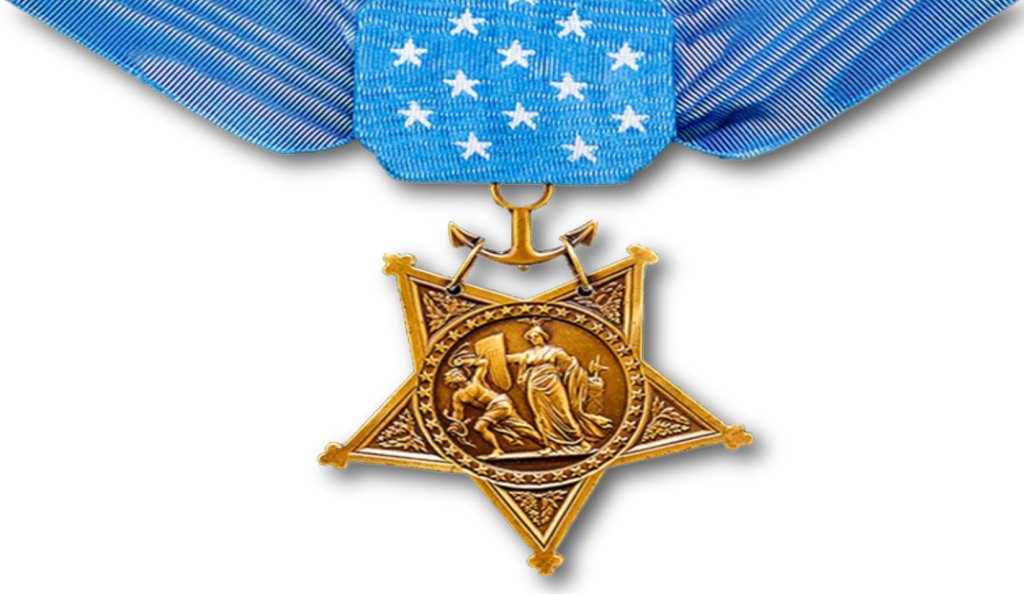
Medal of Honor: Oscar Verner Peterson - World War II - May 7, 1942
The engine spaces of the tanker were burning, and the repair party had been shattered by enemy bombs. Badly wounded and alone, he stayed at his post to keep the ship alive.
May 7, 2026

 Name: Oscar Verner Peterson
Rank: Chief Watertender
Branch: U.S. Navy
War: World War II
Ship: USS Neosho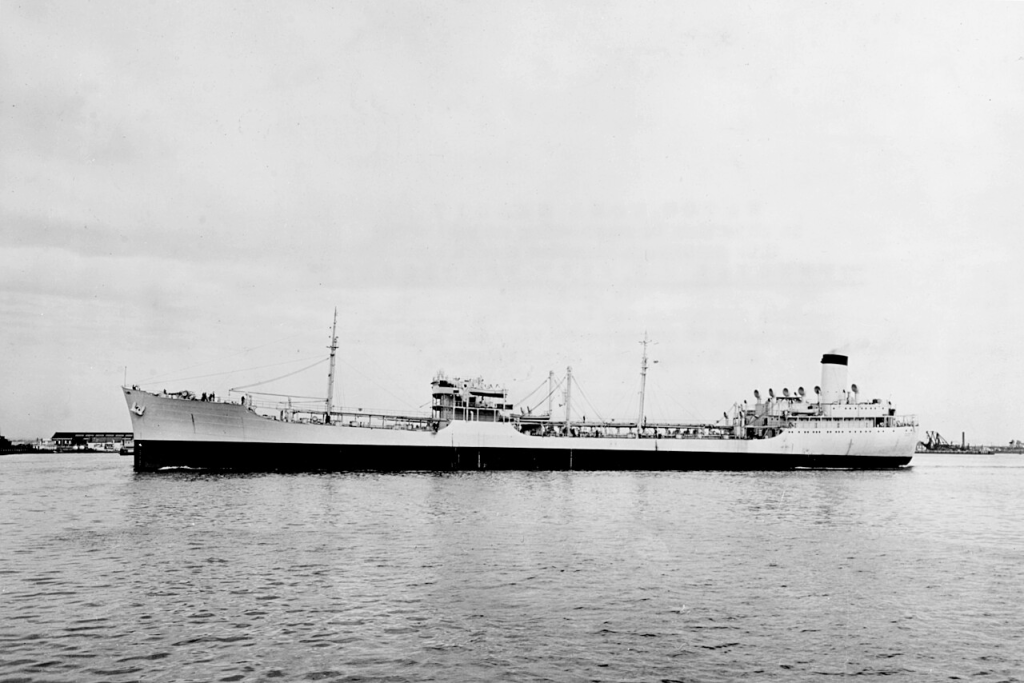
Date of Action: May 7, 1942
Location: Coral Sea, Pacific Theater
Summary of Action
On 7 May 1942, during the Battle of the Coral Sea, Chief Watertender Oscar Verner Peterson distinguished himself during the devastating Japanese air attack against the USS Neosho.
Enemy aircraft struck the fleet oiler repeatedly, turning sections of the ship into a burning wreck.
Deep inside the engineering spaces, Peterson was placed in charge of a repair party attempting to save the crippled vessel.
The attack inflicted terrible casualties.
Most of the men assigned to the repair effort were wounded or incapacitated.
Peterson himself suffered severe wounds and burns.
Yet he refused to abandon his station.
Knowing the survival of the ship depended on stopping the spread of fire and flooding, he continued working alone in the smoke, heat, and chaos below decks.
With complete disregard for his own life, Peterson managed to close the critical bulkhead stop valves.
The action came at enormous cost.
Already badly wounded, he received even more severe burns while completing the task.
His injuries proved fatal.
But his actions helped keep the ship afloat longer and embodied the highest traditions of courage, sacrifice, and duty in the United States Navy.
Medal of Honor Citation
PETERSON, OSCAR VERNER