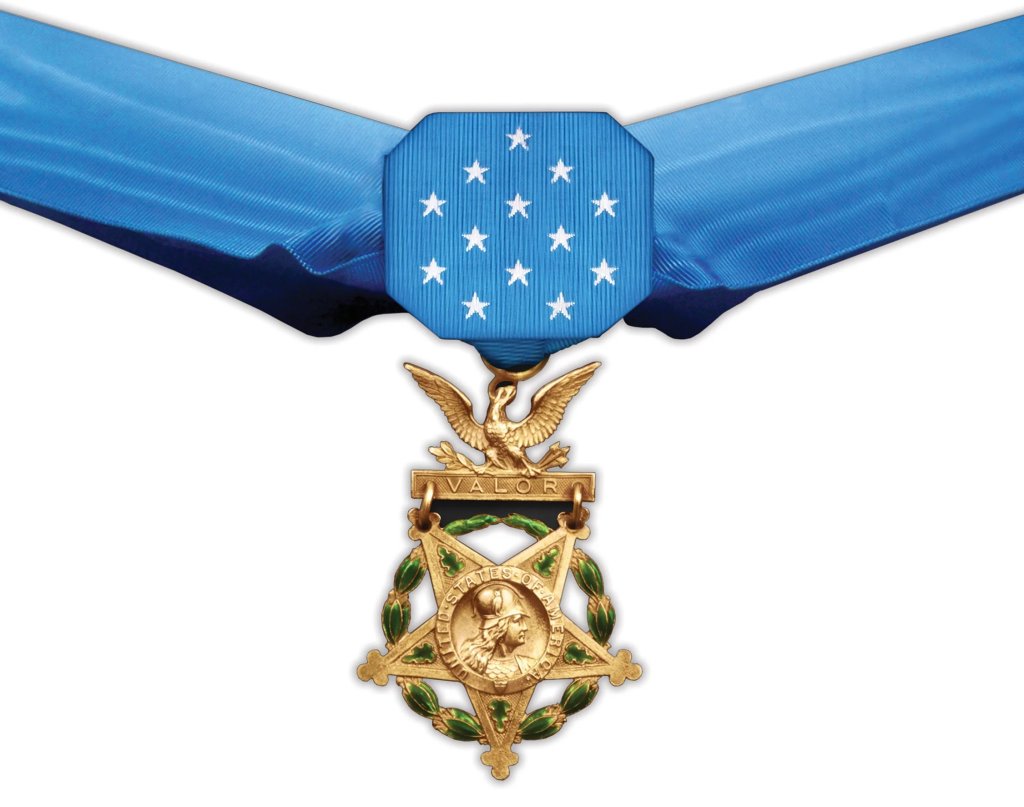
Medal of Honor: John J. Duffy – Vietnam War – April 14-15, 1972
Surrounded in Vietnam’s Central Highlands, one wounded Special Forces officer refused to leave his men. For two days he directed the defense, called in air support, and became the last man evacuated from the overrun firebase.
July 15, 2026

 Name: John J. Duffy
Rank: Major
Branch: U.S. Army
War: Vietnam War
Unit: Military Assistance Command Vietnam (MACV) Team 162, 5th Special Forces Group (Airborne)
Date of Action: April 14-15, 1972
Location: Central Highlands, Republic of Vietnam
Summary of Action
By the spring of 1972, North Vietnam had launched its massive Easter Offensive, one of the largest conventional military campaigns of the Vietnam War. In the rugged Central Highlands, Fire Support Base Charlie became one of the focal points of the fighting as waves of North Vietnamese forces sought to destroy the defending South Vietnamese airborne troops and their American advisors.
Major John J. Duffy, a Special Forces officer serving as Senior Advisor to the 11th Airborne Battalion of the Army of the Republic of Vietnam, found himself at the center of one of the war's most desperate battles.
In the two days leading up to April 14, the battalion commander had been killed, the command post destroyed, and Major Duffy himself had already been wounded twice. Despite his injuries, he refused medical evacuation and remained with his men.
On April 14, Fire Support Base Charlie was completely surrounded by an enemy battalion.
When attempts to establish a landing zone for resupply helicopters failed, Major Duffy moved dangerously close to enemy anti-aircraft positions in order to call in air strikes. During this effort, he was struck again by fragments from an enemy recoilless rifle round.
For the third time, he refused evacuation.
Throughout the day, enemy artillery relentlessly pounded the firebase. Despite repeated bombardments, Major Duffy remained in exposed positions directing helicopter gunships onto enemy positions until the hostile artillery batteries were silenced.
When the shelling temporarily subsided, he moved throughout the battered firebase ensuring wounded allied soldiers had been moved to safety and that ammunition was properly distributed among the remaining defenders.
The enemy then resumed its bombardment, firing an estimated three hundred rounds into the isolated position. Yet again, Major Duffy refused cover and continued directing supporting fires onto enemy positions.
By late afternoon, North Vietnamese ground forces launched a coordinated assault from every direction.
Moving fearlessly from fighting position to fighting position, Major Duffy adjusted artillery fire, spotted enemy targets, and even ordered gunship strikes dangerously close to compromised friendly positions to prevent the firebase from being overrun.
As darkness fell, it became painfully clear that Fire Support Base Charlie could no longer be held.
Major Duffy immediately organized a nighttime evacuation of the surviving defenders. True to the finest traditions of military leadership, he remained behind as the last man on the firebase, continuing to direct covering gunship fire until the final possible moment before withdrawing himself.
The ordeal, however, was far from over.
During the early morning hours of April 15, the withdrawing force was ambushed by enemy troops. Casualties mounted and many of the remaining soldiers became scattered.
Despite his wounds and exhaustion, Major Duffy quickly organized defensive positions and directed the successful repulse of the enemy attack.
He then led the surviving evacuees—many of whom were severely wounded—through enemy-held territory while under constant pursuit.
Upon reaching the designated evacuation site, Major Duffy once again exposed himself to enemy fire to direct helicopter gunships and mark the landing zone for incoming evacuation helicopters.
Only after personally ensuring every allied soldier had safely boarded the helicopters did Major Duffy allow himself to board the aircraft. Even then, his work was not finished. Once aboard, he immediately began treating a wounded helicopter door gunner.
Major John J. Duffy's actions at Fire Support Base Charlie represent one of the greatest examples of battlefield leadership during the Vietnam War. Wounded multiple times, he repeatedly placed himself in exposed positions to save the lives of others and remained with his allied soldiers until every possible life had been preserved.
For more than four decades, his extraordinary heroism was recognized with the Distinguished Service Cross. In 2022, that award was finally upgraded to the Medal of Honor—a fitting recognition for a Special Forces officer whose courage and devotion to duty exemplified the highest traditions of the United States Army.
Medal of Honor Citation
JOHN J. DUFFY
Rank and organization: Major, United States Army.
Unit: Military Assistance Command Vietnam Team 162, 5th Special Forces Group (Airborne).
Place and date: Central Highlands, Republic of Vietnam, April 14-15, 1972.
Citation:
Major John J. Duffy distinguished himself by acts of gallantry and intrepidity above and beyond the call of duty while serving as the Senior Advisor to the 11th Airborne Battalion, 2d Brigade, Airborne Division, Army of the Republic of Vietnam in the Republic of Vietnam, during the period of 14 to 15 April 1972.
In the two days preceding the events of 14 to 15 April 1972, the commander of the 11th Airborne Battalion was killed, the battalion command post was destroyed, and Major Duffy was twice wounded but refused to be evacuated.
Then on 14 April, Major Duffy directed the defense of Fire Support Base Charlie, which was surrounded by a battalion-size enemy element. In the morning hours, after a failed effort to establish a landing zone for resupply aircraft, he moved close to enemy anti-aircraft positions to call in airstrikes. At this time, Major Duffy was again wounded by fragments from a recoilless rifle round and again refused medical evacuation.
Shortly thereafter, the enemy began an artillery bombardment on the base and he remained in an exposed position to direct gunships onto the enemy positions which eventually silenced the enemy fire. Following the bombardment, Major Duffy assessed the conditions on the base and personally ensured the wounded friendly foreign soldiers were moved to positions of relative safety and the remaining ammunition was appropriately distributed to the remaining defenders.
Shortly thereafter, the enemy resumed indirect fire on the base, expending an estimated 300 rounds. Nevertheless, he remained in an exposed position to direct gunship fire on the enemy positions.
In the late afternoon hours, the enemy began a ground assault from all sides of the firebase and Major Duffy moved from position to position to adjust fire, spot targets for artillery observers, and ultimately to direct gunship fire on a friendly position which had been compromised.
As the evening wore on, it became clear that the defenders could not withstand the overwhelming enemy forces and he began to organize an evacuation of the firebase under the cover of night. With the goal of a complete withdrawal, Major Duffy was the last man off the base, remaining behind to adjust the covering fire from gunships until the last possible moment.
When the acting battalion commander was wounded, he assumed command of the evacuation and maintained communication with the available air support to direct fire on the enemy.
In the early morning hours of 15 April, the enemy ambushed the Battalion inflicting additional casualties and scattering some of the able-bodied soldiers. Major Duffy organized defensive positions during the ambush and ensured the friendly foreign forces could successfully repulse the enemy.
After withstanding the ambush, he led the evacuees, many of whom were significantly wounded, to an established evacuation area, despite being continually pursued by the enemy.
Upon reaching the exfiltration site, Major Duffy directed gunship fire on enemy positions and marked a landing zone for the helicopters. Only after ensuring all of the evacuees were aboard, did Major Duffy board while also assisting a wounded friendly foreign soldier in with him. Once on board, he administered aid to a helicopter door gunner who had been wounded during the evacuation.
Major Duffy's extraordinary heroism and selflessness above and beyond the call of duty were in keeping with the highest traditions of military service and reflect great credit upon himself, his unit, and the United States Army.