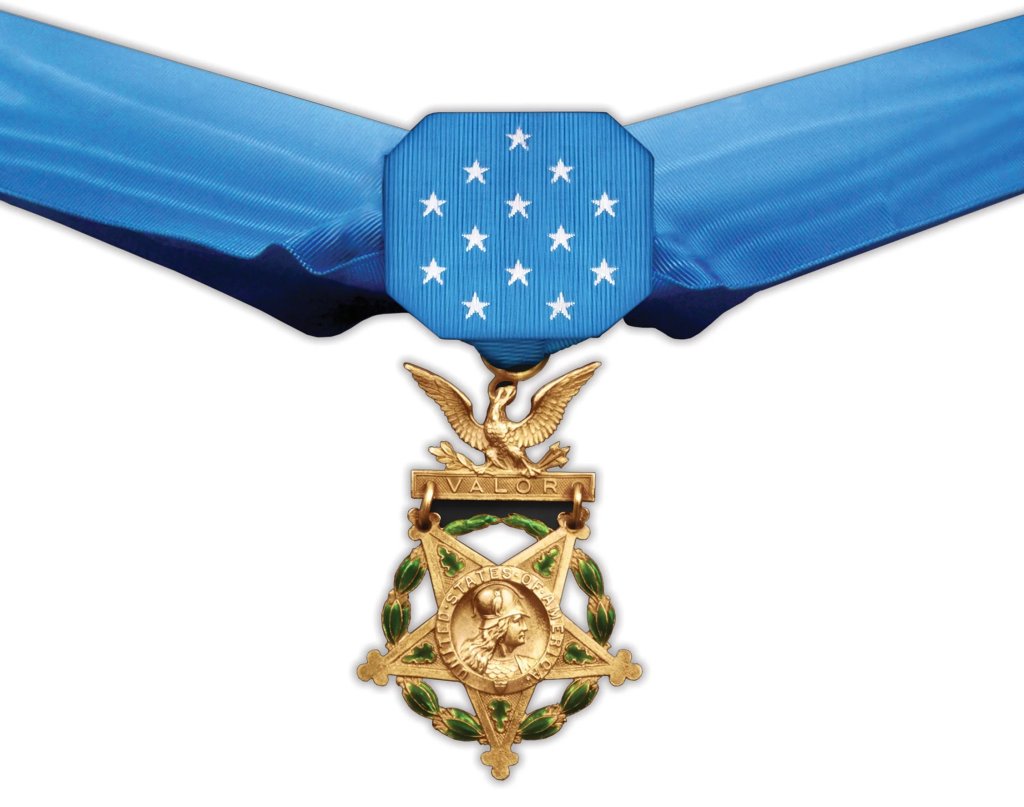
Medal of Honor: John C. Morgan – World War II – July 28, 1943
Over occupied Europe, enemy fighters shattered a B-17’s cockpit and left its pilot critically wounded. For two hours, one young copilot flew the crippled bomber with one hand while holding the injured pilot back with the other.
June 30, 2026

 Name: John C. Morgan
Rank: Second Lieutenant
Branch: U.S. Army Air Forces
War: World War II
Unit: 326th Bombardment Squadron, 92nd Bombardment Group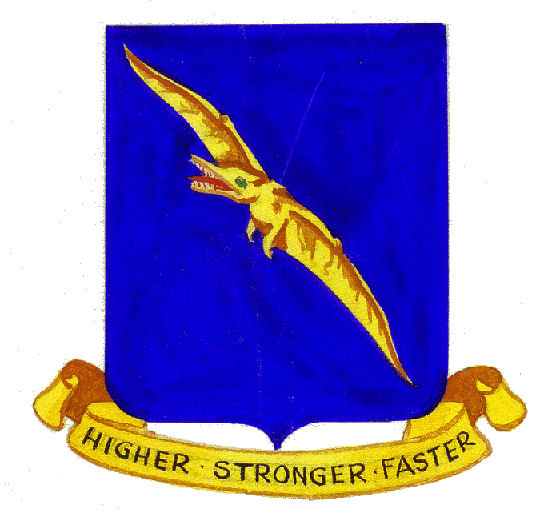
Aircraft: B-17 Flying Fortress
Date of Action: July 28, 1943
Location: Over enemy-occupied Europe
Summary of Action
On 28 July 1943, Second Lieutenant John C. Morgan served as copilot aboard a B-17 Flying Fortress participating in a bombing mission over occupied Europe.
Before reaching the German coast, the bomber was attacked by a large force of enemy fighters.
During the attack, enemy fire destroyed the oxygen system serving several crew positions, leaving the tail, waist, and radio gunners without oxygen.
A devastating frontal attack shattered the cockpit windshield when a cannon shell struck the aircraft. At the same moment, the pilot suffered a severe head wound that left him semiconscious and unable to reason.
The wounded pilot collapsed onto the controls, clinging to the steering wheel while struggling uncontrollably.
Morgan immediately seized the controls from his side of the cockpit and, through sheer physical strength, forced the bomber back into formation.
The aircraft's interphone system had also been destroyed, making communication with the crew impossible.
Elsewhere in the aircraft, the top turret gunner fell through his hatch after suffering catastrophic wounds, while the waist, tail, and radio gunners lost consciousness from lack of oxygen.
Hearing no return fire from the rear of the aircraft, Morgan believed many of the crew had either been killed or had abandoned the airplane.
The injured pilot continued struggling violently for control of the aircraft.
Facing the possibility of completing the mission and returning home entirely alone, Morgan made the decision to continue.
For nearly two hours he flew the bomber in formation with one hand on the controls while using the other to hold back the semiconscious pilot.
Only when the navigator eventually reached the cockpit was Morgan finally relieved.
Despite the catastrophic damage to the aircraft, the wounded crew, and the constant struggle in the cockpit, the bomber completed its mission and returned safely to base.
Second Lieutenant John C. Morgan's extraordinary courage, determination, and physical endurance reflected the highest traditions of the United States Army Air Forces.
Medal of Honor Citation
MORGAN, JOHN C.
Rank and organization: Second Lieutenant, U.S. Army Air Corps, 326th Bombardment Squadron, 92nd Bombardment Group.
Place and date: Over Europe, 28 July 1943.
Entered service at: London, England.
Born: 24 August 1914, Vernon, Texas.
G.O. No.: 85, 17 December 1943.
Citation:
For conspicuous gallantry and intrepidity above and beyond the call of duty while participating on a bombing mission over enemy-occupied continental Europe on 28 July 1943.
Prior to reaching the German coast on the way to the target, the B-17 airplane in which Second Lieutenant Morgan was serving as copilot was attacked by a large force of enemy fighters, during which the oxygen system to the tail, waist, and radio gun positions was knocked out.
A frontal attack placed a cannon shell through the windshield, totally shattering it, and the pilot's skull was split open by a .303 caliber shell, leaving him in a crazed condition. The pilot fell over the steering wheel, tightly clamping his arms around it.
Second Lieutenant Morgan at once grasped the controls from his side and, by sheer strength, pulled the airplane back into formation despite the frantic struggles of the semiconscious pilot.
The interphone had been destroyed, rendering it impossible to call for help. At this time the top turret gunner fell to the floor and down through the hatch with his arm shot off at the shoulder and a gaping wound in his side.
The waist, tail, and radio gunners had lost consciousness from lack of oxygen and, hearing no fire from their guns, the copilot believed they had bailed out.
The wounded pilot still offered desperate resistance in his crazed attempts to fly the airplane.
There remained the prospect of flying to and over the target and back to a friendly base wholly unassisted.
In the face of this desperate situation, Second Lieutenant Morgan made his decision to continue the flight and protect any members of the crew who might still be in the ship, and for two hours he flew in formation with one hand at the controls and the other holding off the struggling pilot before the navigator entered the steering compartment and relieved the situation.
The miraculous and heroic performance of Second Lieutenant Morgan on this occasion resulted in the successful completion of a vital bombing mission and the safe return of his airplane and crew.