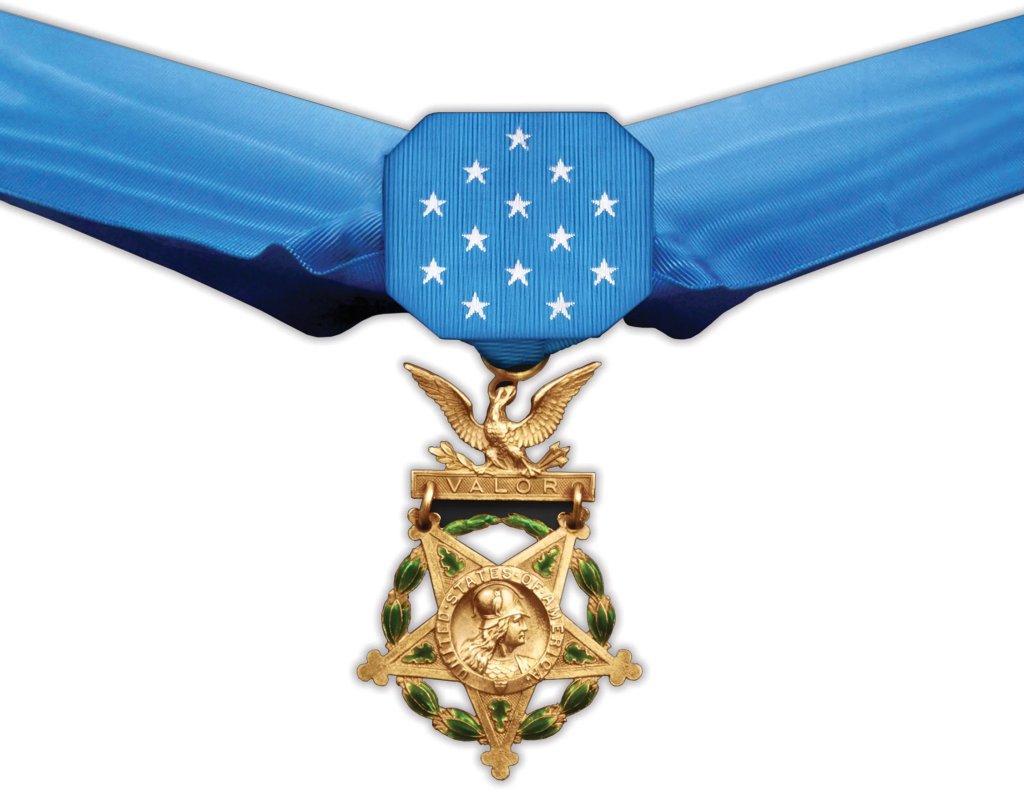
Medal of Honor: Fred B. McGee – Korean War – June 16, 1952
On a barren Korean hillside, one young corporal kept moving his machine gun into deadly fire to support the assault. After taking command and manning the gun himself, he stayed behind under fire to recover his wounded and fallen comrades.
July 15, 2026

 Name: Fred B. McGee
Rank: Corporal
Branch: U.S. Army
War: Korean War
Unit: Company K, 3rd Battalion, 17th Infantry Regiment, 7th Infantry Division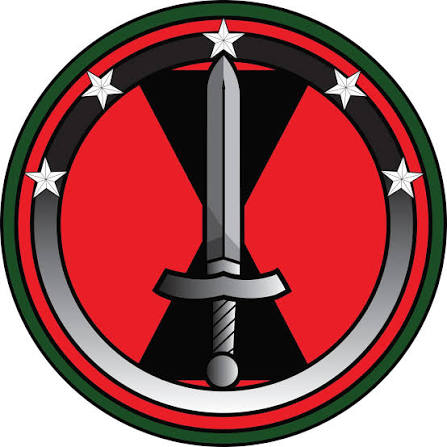
Date of Action: June 16, 1952
Location: Hill 528, near Tang-Wan-Ni, Republic of Korea
Summary of Action
By 1952, the Korean War had become a bitter struggle over heavily fortified hills and ridgelines that dominated the landscape along the front lines. The fighting often resembled the trench warfare of the First World War, with well-prepared enemy bunkers, devastating artillery barrages, and costly assaults against commanding terrain.
On June 16, 1952, Company K of the 17th Infantry Regiment attacked enemy fortifications atop Hill 528 near Tang-Wan-Ni.
Serving as a light machine gunner in his platoon's weapons squad, Corporal Fred B. McGee immediately came under intense enemy machine-gun and mortar fire as the assault began.
Positioned in exposed terrain, McGee delivered a heavy volume of suppressive fire in support of the advancing infantrymen. Enemy fire repeatedly forced him to move his machine gun to new positions, but each time he quickly resumed firing to protect the assault elements of his platoon.
As the battle intensified, enemy machine-gun fire swept across one of the assault platoons, threatening to halt the attack and inflict devastating casualties.
When his squad leader was wounded, along with several members of the squad, Corporal McGee immediately assumed command. Understanding the danger facing the assault force, he moved what remained of his squad even farther forward into a more exposed position to bring effective fire onto the enemy machine gun emplacement.
The decision placed him directly in the enemy's sights, but the supporting fire from his machine gun allowed the assault to continue.
Moments later, tragedy struck again.
His machine gunner was mortally wounded.
Without hesitation, McGee took over the machine gun himself and continued delivering suppressive fire against the enemy positions.
Only after accomplishing the mission was his squad ordered to withdraw.
Many soldiers would have considered their duty complete at that point.
Corporal McGee volunteered to stay behind.
Rather than immediately retreating to safety, he remained on the battlefield to assist in evacuating wounded and recovering the bodies of fallen comrades.
During these rescue efforts, he was wounded in the face by enemy fire.
Despite his injury, McGee stood fully exposed amid intense enemy machine-gun, mortar, and artillery fire while attempting to recover the body of the company runner. Although enemy fire ultimately forced him to abandon the body temporarily, he refused to abandon the living.
He successfully assisted another wounded soldier to safety, guiding him through heavy enemy mortar and artillery fire to friendly lines.
Throughout the battle, Corporal Fred B. McGee repeatedly assumed responsibilities far beyond those expected of his rank or position. He fought as a machine gunner, led as a squad leader, and willingly risked his life to recover wounded and fallen comrades.
His extraordinary courage under fire exemplified the highest traditions of military service and demonstrated the selfless leadership that has long characterized America's combat infantrymen.
Medal of Honor Citation
FRED B. McGEE
Rank and organization: Corporal, United States Army.
Unit: Company K, 3rd Battalion, 17th Infantry Regiment, 7th Infantry Division.
Place and date: Hill 528, Tang-Wan-Ni, Republic of Korea, June 16, 1952.
Citation:
Corporal Fred B. McGee distinguished himself by gallantry in action near Tang-Wan-Ni, Korea, on June 16, 1952, in an assault on enemy fortified positions.
As gunner on a light machine gun in a weapons squad, Corporal McGee delivered a heavy volume of supporting fire from an exposed position despite intense enemy machine-gun and mortar fire directly on his location.
Though forced to move his gun several times, he continued to support the assault and give covering fire to the assault elements of his platoon.
When his squad leader was wounded, together with several other members of his squad, he assumed command and moved the squad even farther forward to a more exposed position in order to deliver neutralizing fire on an enemy machine gun sweeping the other assault platoon with deadly flanking fire.
When his machine gunner was mortally wounded, he again took over the gun.
On order, he directed his squad to withdraw and voluntarily remained behind to help evacuate the wounded and dead.
Though wounded in the face, he heroically exposed himself by standing straight up in intense enemy machine-gun and mortar fire while attempting to evacuate the body of the company runner.
Forced to abandon the body, he aided a wounded man to be moved to the rear and safely through a huge volume of enemy mortar and artillery fire.
The gallantry displayed by Corporal McGee reflects great credit upon himself and is in keeping with the highest traditions of the military service.
The ghosts of the battlefield are counting on us to remember them. Help preserve their stories.