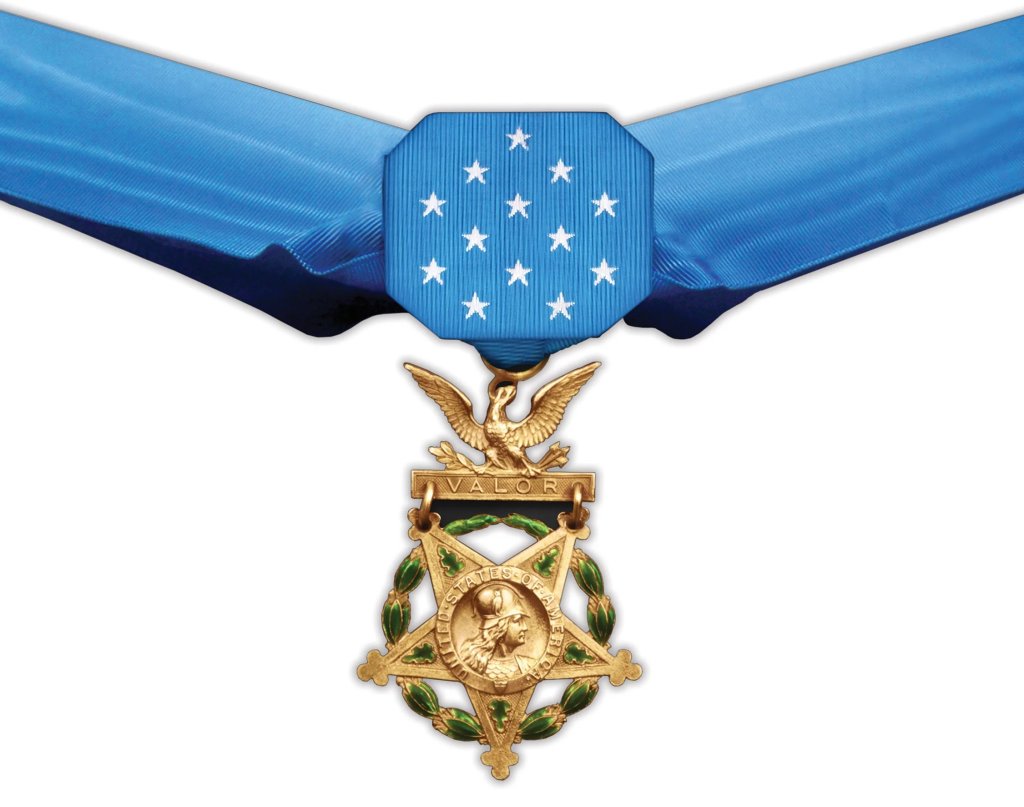
Medal of Honor: Dennis M. Fujii – Vietnam War – February 18-22, 1971
Shot down and wounded deep in Laos, one medevac crew chief waved off rescue rather than risk more lives. For nearly five days, he treated the wounded, directed gunships, and helped defend an isolated perimeter against overwhelming enemy forces.
July 15, 2026

 Name: Dennis M. Fujii
Rank: Specialist Five
Branch: U.S. Army
War: Vietnam War
Unit: 237th Medical Detachment, 61st Medical Battalion, 67th Medical Group
Date of Action: February 18-22, 1971
Location: Laos and the Republic of Vietnam
Summary of Action
In February 1971, American and South Vietnamese forces launched Operation Lam Son 719, an ambitious offensive into Laos designed to disrupt North Vietnamese supply lines along the Ho Chi Minh Trail. The operation quickly evolved into some of the fiercest fighting of the Vietnam War, with enemy anti-aircraft defenses making medical evacuation missions extraordinarily dangerous.
Specialist Five Dennis M. Fujii was serving as crew chief aboard a medical evacuation helicopter tasked with extracting seriously wounded South Vietnamese soldiers from an active battlefield deep inside Laos.
As the air ambulance approached its designated landing zone, it was met with intense enemy fire. The pilot was forced to abort the initial landing attempt and make a second approach through a storm of anti-aircraft fire.
Enemy fire struck the helicopter, severely damaging the aircraft and causing it to crash near the combat zone. Fujii was injured in the crash.
Within moments, another American helicopter landed nearby and began rescuing the downed crew. However, the volume of enemy fire directed at Fujii's position made it impossible for him to safely board the aircraft.
Recognizing that further rescue attempts would almost certainly cost additional American lives, Fujii waved the helicopter away and voluntarily remained behind.
He was now the only American left on an enemy battlefield.
Repeated attempts to rescue him were subsequently abandoned because of the intensity of enemy anti-aircraft fire. After obtaining a radio, Fujii informed the aircraft overhead that the landing zone remained too dangerous and ordered them not to attempt another extraction.
Despite being wounded himself, he immediately began treating the numerous allied casualties surrounding him.
Throughout the night and into the following day, Specialist Fujii administered first aid while helping organize the defense of the small allied position.
On the night of February 19, enemy forces launched a major assault against the perimeter. Supported by heavy artillery and consisting of a reinforced regiment of North Vietnamese troops, the attack threatened to overwhelm the defenders.
Once again obtaining radio communications, Fujii began directing American helicopter gunships onto enemy positions.
For more than seventeen consecutive hours, he repeatedly left the relative safety of his fighting position to better observe enemy movements and accurately direct air strikes. Frequently exposing himself to hostile fire, he became both medic and forward observer for the isolated force.
At times, enemy troops advanced so closely that Fujii was forced to interrupt his radio transmissions in order to fire his rifle and help repel enemy assaults.
By February 20, wounded, exhausted, and suffering from days without meaningful rest, Fujii continued bearing responsibility for both the care of the wounded and the defense of the allied encampment.
Eventually, an American helicopter succeeded in landing and extracting him from the battlefield.
His ordeal, however, was still not over.
Shortly after departure, the evacuation helicopter itself sustained multiple hits from enemy fire and crash-landed at another South Vietnamese Ranger base several kilometers away.
Despite his condition, Fujii remained at the allied position for an additional two days until another helicopter could finally evacuate him to Phu Bai for medical treatment on February 22.
Over the course of nearly five days, Specialist Five Dennis M. Fujii repeatedly placed the lives of others before his own. Alone among allied troops in enemy territory, he refused rescue when it endangered others, provided lifesaving medical care under fire, directed devastating air strikes against enemy forces, and helped defend an isolated battlefield position until he could finally be evacuated.
Originally awarded the Distinguished Service Cross, his extraordinary heroism was formally recognized with the Medal of Honor in 2022, more than fifty years after the battle. His actions remain one of the Vietnam War's greatest examples of courage, endurance, and devotion to duty.
Medal of Honor Citation
DENNIS M. FUJII
Rank and organization: Specialist Five, United States Army.
Unit: 237th Medical Detachment, 61st Medical Battalion, 67th Medical Group.
Place and date: Laos and the Republic of Vietnam, February 18-22, 1971.
Citation:
Specialist Five Dennis M. Fujii distinguished himself by conspicuous gallantry and intrepidity beyond the call of duty while serving as crew chief aboard a helicopter ambulance during rescue operations in Laos, Republic of Vietnam, during the period of 18 to 22 February 1971.
Specialist Five Fujii was serving with the 237th Medical Detachment, 61st Medical Battalion, 67th Medical Group. The team's mission was to evacuate seriously wounded Vietnamese military personnel from the midst of a raging battlefield.
The aircraft's primary approach to the bullet-infested landing zone was thwarted by heavy volumes of enemy fire directed at the specialist's helicopter. As the pilot made a second landing attempt, the enemy concentrated a barrage of flak at the air ambulance which damaged the craft and caused it to crash in the conflict area, injuring Specialist Five Fujii.
Moments later, another American helicopter successfully landed near the wreckage of the specialist's airship and extracted all the downed crewmen except for Specialist Five Fujii, who was unable to board due to the intense enemy fire directed at him. Rather than further endanger the lives of his comrades aboard the second helicopter, Specialist Five Fujii waved the craft out of the combat area and remained behind as the only American on the battlefield.
Subsequent attempts to rescue the specialist were aborted due to the violent anti-aircraft fire. Specialist Five Fujii finally secured a radio and informed the aviators in the area that the landing zone was too hot for further evacuation attempts.
During the night and all through the next day, Specialist Five Fujii disregarded his own wounds as he administered first aid to the allied casualties.
On the night of 19 February, the allied perimeter came under ruthless assault by a reinforced enemy regiment supported by heavy artillery. Once again obtaining a radio transmitter, Specialist Five Fujii called in American helicopter gunships to assist the small unit in repelling the attack.
For a period of over seventeen consecutive hours, Specialist Five Fujii repeatedly exposed himself to hostile fire as he left the security of his entrenchment to better observe enemy troop positions and to direct air strikes against them. At times the fighting became so vicious that Specialist Five Fujii was forced to interrupt radio transmittal in order to place suppressive rifle fire on the enemy while at close quarters.
Though wounded and severely fatigued by 20 February, the specialist bore the responsibility for the protection and defense of the friendly encampment until an American helicopter could land and attempt to airlift him from the area.
As his air ambulance left the battlefield, it received numerous hits and was forced to crash land at another South Vietnamese Ranger base approximately four kilometers from the specialist's original location. The totally exhausted Specialist Five Fujii remained at the allied camp for two more days until yet another helicopter could return him to Phu Bai for medical assistance on 22 February.
Specialist Five Dennis M. Fujii's extraordinary heroism and devotion to duty were in keeping with the highest traditions of military service and reflect great credit upon himself, his unit, and the United States Army.