Medal of Honor: Charles R. Johnson – Korean War – June 11-12, 1953
On the blood-soaked slopes of Outpost Harry, a wounded BAR man refused to abandon his fellow soldiers. After rescuing the wounded and fighting hand-to-hand, he stepped between his comrades and the enemy — and never returned.
July 15, 2026

 Name: Charles Robert Johnson
Rank: Private First Class
Branch: U.S. Army
War: Korean War
Unit: Company B, 1st Battalion, 15th Infantry Regiment, 3rd Infantry Division
Date of Action: June 11-12, 1953
Location: Outpost Harry, Iron Triangle, Republic of Korea
Summary of Action
By the summer of 1953, the Korean War was entering its final and most brutal phase. Although peace negotiations had been underway for months, fierce fighting continued across the Korean peninsula as both sides attempted to seize strategically important terrain before any armistice agreement could be signed.
One such position was Outpost Harry.
Located within the infamous Iron Triangle, Outpost Harry was a small but vitally important hilltop defensive position manned by soldiers of the 3rd Infantry Division. The outpost would become the scene of some of the war's most savage fighting as thousands of Chinese soldiers launched repeated assaults against its defenders.
On the night of June 11, 1953, Chinese forces attacked Company B, 1st Battalion, 15th Infantry Regiment in overwhelming numbers.
Private First Class Charles R. Johnson was serving as a Browning Automatic Rifleman when the massive nighttime assault began. Chinese troops poured into the American trenches and bunkers in wave after wave, engaging the defenders in desperate close-quarters combat.
During the initial bombardment, an enemy artillery round struck Johnson's bunker, seriously wounding him. Moments later, an enemy grenade landed inside the position, inflicting additional wounds.
Despite his injuries and the chaos unfolding around him, Johnson immediately began administering first aid—not to himself, but to soldiers more seriously wounded than he was.
As enemy troops continued their assault, Johnson realized that one wounded soldier remained exposed to enemy fire. Ignoring the danger to himself, he personally dragged the wounded man to the relative safety of another bunker. Along the way, he repeatedly stopped to assist other wounded soldiers and fought enemy troops in hand-to-hand combat.
Once inside the second bunker, Johnson quickly assessed the dire situation.
The position was critically short of weapons and ammunition, and many of the surviving defenders were wounded. Without hesitation, he once again left the safety of cover and searched the battlefield for ammunition and usable weapons.
He successfully returned to the bunker and distributed the weapons and ammunition among the wounded defenders, ensuring they would have some means of defending themselves should the enemy break through.
It soon became painfully clear that their position was untenable.
Chinese soldiers were closing in, and the wounded men inside the bunker had little chance of survival if the enemy reached them.
Private First Class Johnson made his decision.
Disregarding his own severe wounds and fully understanding what his actions would mean, he left the safety of the bunker and deliberately placed himself between the attacking enemy and his injured comrades.
Before leaving, he informed the wounded soldiers that he would hold off the enemy for as long as he possibly could.
His courageous stand provided the precious time necessary for as many as ten American soldiers to survive the battle.
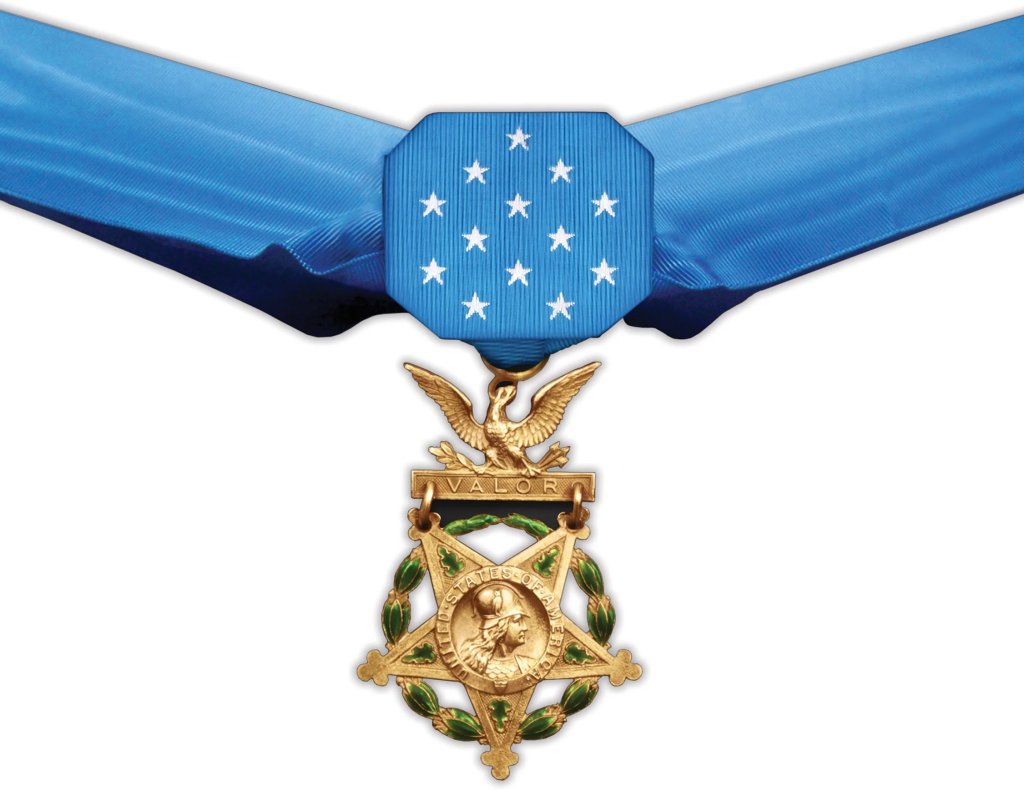
Private First Class Charles R. Johnson's extraordinary heroism remained largely unknown outside military circles for decades. Originally awarded the Distinguished Service Cross, his actions were finally recognized with the Medal of Honor in 2025, more than seventy years after the battle at Outpost Harry.
His final act perfectly embodied the highest traditions of military service—a wounded soldier willingly sacrificing himself so that others might live.
Medal of Honor Citation
CHARLES ROBERT JOHNSON
Rank and organization: Private First Class, United States Army.
Unit: Company B, 1st Battalion, 15th Infantry Regiment, 3rd Infantry Division.
Place and date: Outpost Harry, Iron Triangle, Republic of Korea, June 11-12, 1953.
Citation:
Private First Class Charles R. Johnson distinguished himself by conspicuous gallantry and intrepidity beyond the call of duty while defending Outpost Harry, against overwhelming odds, and making the ultimate sacrifice to save the lives of his comrades in the Republic of Korea during the period of June 11, 1953 to June 12, 1953.
Private First Class Johnson was serving as a Browning Automatic Rifleman with Company B, 15th Infantry Regiment, 3d Infantry Division. Chinese forces attacked his unit during a massive nighttime assault.
During the ensuing battle, overwhelming numbers of Chinese troops assaulted the trenches and bunkers defended by Private First Class Johnson and his squad.
Private First Class Johnson, wounded from a direct artillery hit on his bunker and subsequently from a hand grenade thrown inside the bunker, at the personal disregard for his injuries, administered first aid to those more seriously injured.
Understanding the seriousness of the situation and being under direct fire from the enemy, Private First Class Johnson personally dragged a wounded soldier to the safety of a secure bunker, stopping intermittently to aid injured soldiers and kill several enemy troops in hand-to-hand combat.
Departing the safety of the second bunker, he conducted a search for weapons and ammunition then returned to rearm everyone.
Recognizing their untenable situation and disregarding his personal safety, he exited the bunker, placing himself between the enemy and his injured comrades, informing them he would hold off the enemy forces as best as he could.
His brave and selfless efforts were directly attributed to saving the lives of as many as ten soldiers.
Private First Class Johnson's extraordinary actions in close combat with the enemy, unyielding courage and bravery, and profound concern for his fellow soldiers are in keeping with the highest traditions of military service and reflect great credit upon himself, his unit, and the United States Army.
The ghosts of the battlefield are counting on us to remember them. Help preserve their stories.