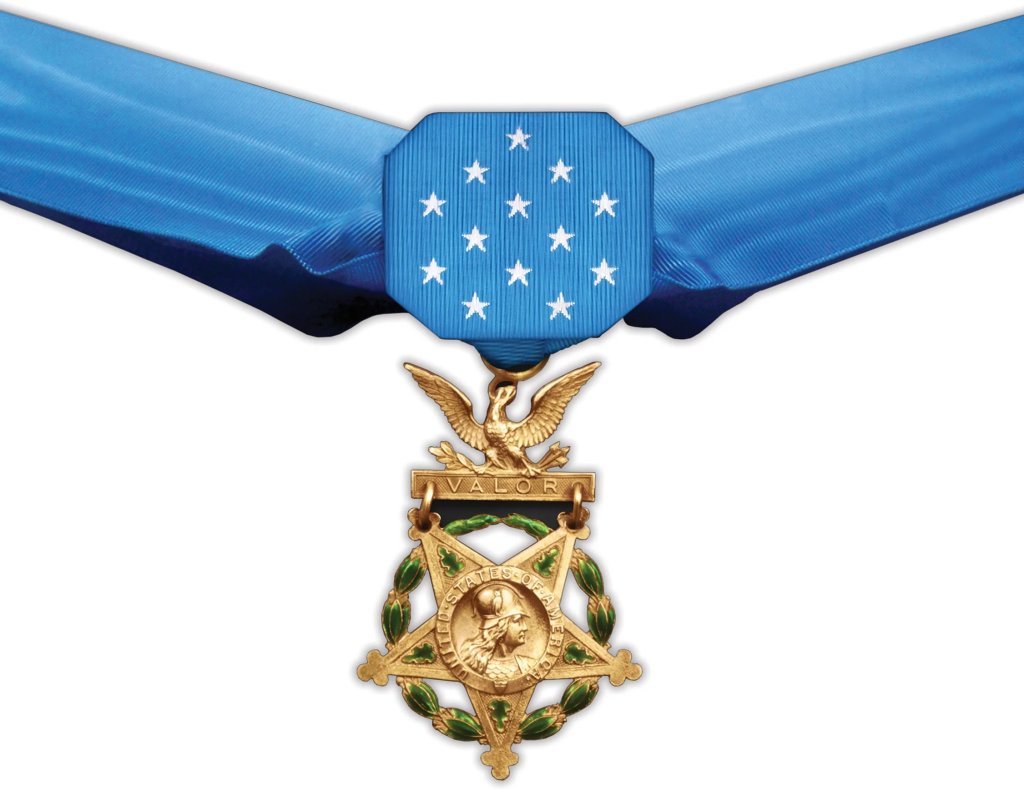
Medal of Honor: Charles Q. Williams - Vietnam War - June 9-10, 1965
At Dong Xoai, a reinforced Viet Cong regiment launched a massive nighttime assault. Wounded again and again, one young lieutenant fought for fourteen hours and stayed in command until every wounded man was evacuated.
June 10, 2026

 Name: Charles Q. Williams
Rank: First Lieutenant (then Second Lieutenant)
Branch: U.S. Army
War: Vietnam War
Unit: 5th Special Forces Group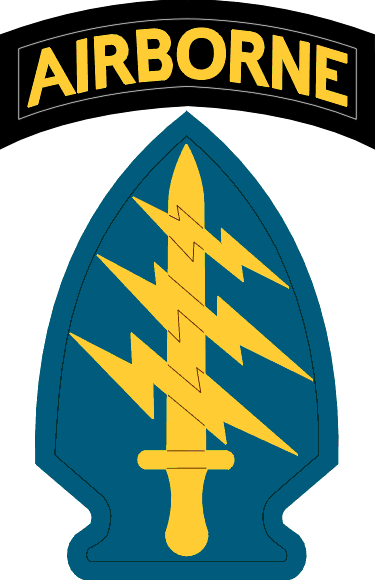
Date of Action: June 9-10, 1965
Location: Dong Xoai, Republic of Vietnam
Summary of Action
On the night of 9 June 1965 and into the following day, First Lieutenant Charles Q. Williams displayed extraordinary heroism while serving as executive officer of a Special Forces detachment defending the camp at Dong Xoai.
The isolated outpost was suddenly attacked by an estimated reinforced Viet Cong regiment determined to overrun both the Special Forces camp and the adjacent district headquarters.
Williams immediately awakened the defenders, organized the response, identified the enemy's main avenue of attack, and personally led troops into position along the threatened walls.
Attempting to establish communications with another compound, he crossed the battlefield under fire but was wounded in the leg by shrapnel before being forced to turn back.
Ignoring the injury, he resumed directing the defense.
As enemy troops attempted to scale the walls and some local defenders began to retreat, Williams dashed through intense gunfire, rallied the shaken soldiers, and personally led them back into the fight.
During this action he suffered additional wounds to his thigh and leg.
When informed that communications had finally been restored but that his commanding officer had been seriously wounded, Williams assumed responsibility for coordinating the defense of both compounds.
Attempting to reach the communications bunker, he was struck again by grenade fragments in the stomach and right arm.
Despite multiple wounds and mounting casualties, he ordered the consolidation of American personnel into the district headquarters building, where he established a final defensive perimeter.
Using descending illumination flares as reference points, Williams calmly directed friendly air strikes ever closer to his own position, inspiring his exhausted defenders to hold while enemy grenades crashed through the building's windows.
At daylight, an enemy machine gun began firing directly into the district headquarters.
Determined to eliminate the threat himself, Williams took up a 3.5-inch rocket launcher and, accompanied by a volunteer loader, crossed open ground to engage the position approximately 150 meters away.
Although the launcher's sight was defective, he successfully destroyed the machine gun.
While attempting to withdraw, both men were wounded again.
Unable to carry his injured companion because of his own wounds, Williams dragged him to cover before returning alone to the district headquarters and organizing a rescue party to recover him.
Even after suffering a fourth wound, he continued directing air strikes and coordinating the defense.
When helicopters finally arrived to evacuate the defenders, Williams supervised the movement of the seriously wounded to safety, then personally led the remaining men to the pickup zone and oversaw their evacuation despite renewed enemy fire.
Throughout fourteen hours of continuous combat, First Lieutenant Charles Q. Williams repeatedly disregarded his own safety, inspiring those around him through courage, leadership, and unwavering determination. His extraordinary heroism reflected the highest traditions of the United States Army.
Medal of Honor Citation
WILLIAMS, CHARLES Q.
Rank and organization: First Lieutenant (then Second Lieutenant), U.S. Army, 5th Special Forces Group.
Place and date: Dong Xoai, Republic of Vietnam, 9-10 June 1965.
Entered service at: Fort Jackson, S.C.
Born: 17 September 1933, Charleston, S.C.
G.O. No.: 30, 5 July 1966.
Citation:
1st Lt. Williams distinguished himself by conspicuous gallantry and intrepidity at the risk of his life above and beyond the call of duty while defending the Special Forces Camp against a violent attack by hostile forces that lasted for 14 hours. Serving as executive officer of a Special Forces Detachment when an estimated reinforced Viet Cong regiment struck the camp, he awakened personnel, organized them, determined the enemy's main effort, and led troops to defensive positions. Wounded while attempting to establish communications, he ignored his injury and continued directing the defense. When Vietnamese defenders began to retreat, he dashed through intense fire, rallied them, and led them back into position, suffering additional wounds in the process. After assuming responsibility for both compounds when his commanding officer was seriously wounded, he was again wounded by grenade fragments but continued directing operations. Consolidating the defenders into the district headquarters building, he coordinated air strikes using descending flares as reference points while inspiring his men to withstand repeated attacks. At daylight he personally led an assault with a 3.5-inch rocket launcher to destroy an enemy machine-gun position threatening the defenders. Though wounded yet again, he rescued a wounded comrade and returned to continue directing the battle. He remained in command until helicopters arrived, supervising the evacuation of the wounded and leading the remaining defenders to safety under renewed enemy fire. His extraordinary heroism was in keeping with the highest traditions of the U.S. Army and reflected great credit upon himself and the Armed Forces of his country.