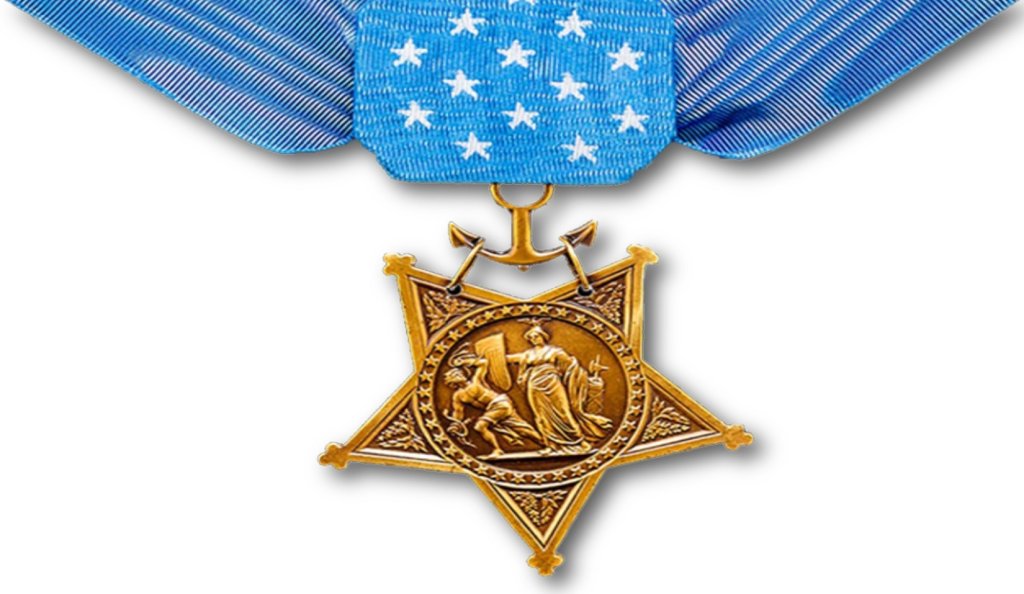
Medal of Honor: Albert Leroy David - World War II - June 4, 1944
A crippled German submarine circled helplessly in the Atlantic, demolition charges threatening to sink her at any moment. One young naval officer led the daring boarding party that captured one of World War II's greatest intelligence prizes.
June 4, 2026

 Name: Albert Leroy David
Rank: Lieutenant (Junior Grade)
Branch: U.S. Navy
War: World War II
Unit: USS Pillsbury (DE-133)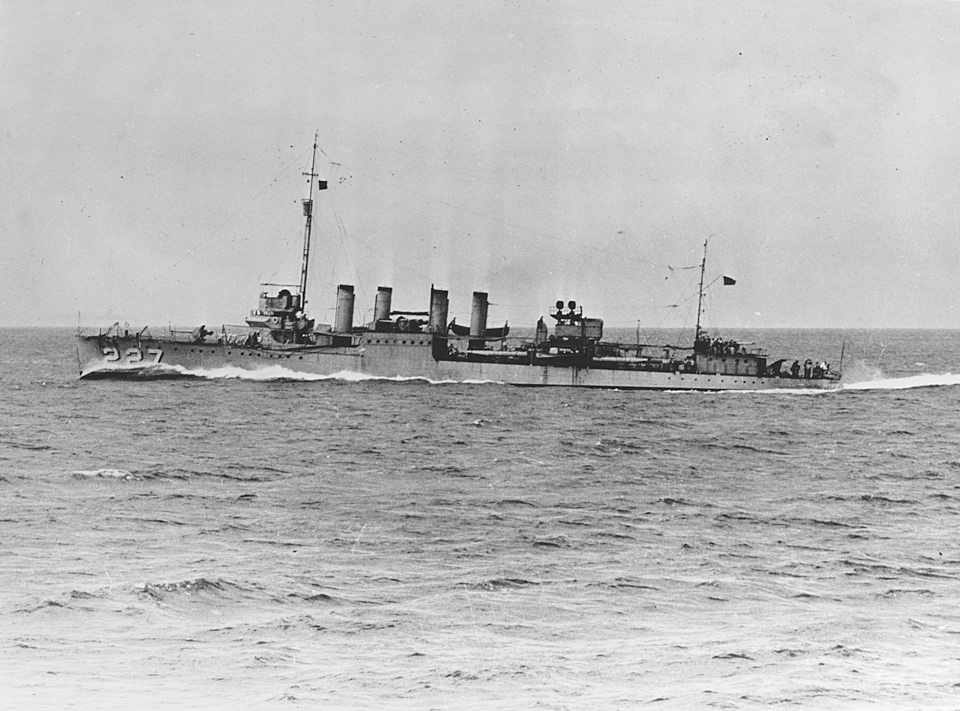
Date of Action: June 4, 1944
Location: Off French West Africa, Atlantic Ocean
Summary of Action
On 4 June 1944, Lieutenant (Junior Grade) Albert Leroy David displayed extraordinary heroism during one of the most remarkable naval operations of the Second World War.
For days, American hunter-killer forces had searched the Atlantic for German submarines threatening Allied shipping. Their efforts culminated when aircraft and escort ships of Task Group 22.3 attacked and forced the German submarine U-505 to surface off the coast of French West Africa.
The damaged submarine's crew abandoned ship and attempted to scuttle the vessel, expecting it to sink before it could be captured.
Instead, as the unmanned U-boat circled erratically on the surface, an extraordinary opportunity presented itself.
If American sailors could board the submarine before it sank, they might recover invaluable intelligence, codebooks, communications equipment, and technical secrets that could aid the Allied war effort.
The danger was immense.
No one knew whether demolition charges were still active inside the submarine. The vessel could sink without warning. Enemy gunfire remained a possibility, and the flooding submarine was filled with hazards.
Despite these risks, Lieutenant David volunteered to lead the first boarding party from the destroyer escort USS Pillsbury.
As the U-505 continued circling at several knots, David and his men approached and boarded the enemy vessel.
Without hesitation, he plunged through the submarine's conning tower hatch and entered the interior of the abandoned U-boat.
Working in darkness and under constant danger, David and his small team searched for ways to keep the submarine afloat while assisting the larger salvage parties that followed.
Their efforts succeeded.
The Americans prevented the submarine from sinking, secured its intelligence materials, and eventually made the vessel seaworthy enough to be towed across the Atlantic to the United States.
The capture of U-505 became one of the greatest intelligence victories of the Battle of the Atlantic. The information recovered from the submarine provided valuable insight into German naval operations and represented the first successful capture of an enemy warship on the high seas by the United States Navy since the War of 1812.
Lieutenant David's courage, leadership, and willingness to board a potentially doomed enemy vessel played a critical role in one of the Navy's most celebrated wartime achievements.
Medal of Honor Citation
DAVID, ALBERT LEROY
Rank and organization: Lieutenant, Junior Grade, U.S. Navy.
Born: 18 July 1902, Maryville, Mo.
Accredited to: Missouri.
Other Navy award: Navy Cross with gold star.
Citation:
For conspicuous gallantry and intrepidity at the risk of his life above and beyond the call of duty while attached to the U.S.S. Pillsbury during the capture of an enemy German submarine off French West Africa, 4 June 1944. Taking a vigorous part in the skillfully coordinated attack on the German U-505 which climaxed a prolonged search by the Task Group, Lt. (then Lt. j.g.) David boldly led a party from the Pillsbury in boarding the hostile submarine as it circled erratically at 5 or 6 knots on the surface. Fully aware that the U-boat might momentarily sink or be blown up by exploding demolition and scuttling charges, he braved the added danger of enemy gunfire to plunge through the conning tower hatch and, with his small party, exerted every effort to keep the ship afloat and to assist the succeeding and more fully equipped salvage parties in making the U-505 seaworthy for the long tow across the Atlantic to a U.S. port. By his valiant service during the first successful boarding and capture of an enemy man-of-war on the high seas by the U.S. Navy since 1815, Lt. David contributed materially to the effectiveness of our Battle of the Atlantic and upheld the highest traditions of the U.S. Naval Service.