The Lunchbox That Went to War*
A colorful wartime lunchbox represents the millions of American women who carried everyday life into factories and defense work, proving they could serve their country without leaving their identity behind.
September 2, 2026

At first glance, it is an ordinary lunchbox.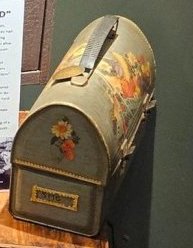
But this small object represents one of the largest changes taking place on the American home front during World War II.
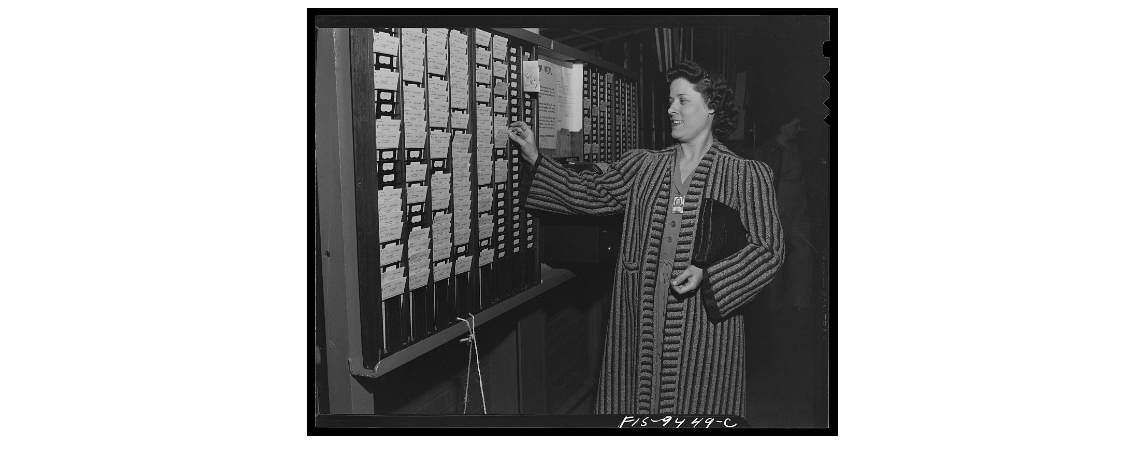
As millions of men left civilian jobs for military service, women stepped into factories, shipyards, arsenals, depots, and other workplaces essential to the war effort. They built aircraft, assembled weapons, inspected parts, welded ships, packed supplies, and kept production moving at a scale the nation had never seen before.
For many women, that meant entering jobs and spaces that had long been considered the territory of men.
And yet this lunchbox tells us something important.
It is not drab. It is not industrial. It is decorated with color and flowers.
The woman who carried something like this to work did not have to stop being herself in order to do her part. She could enter a factory, work around machinery and steel, contribute directly to the war effort, and still carry something that reflected her own taste and identity.
That is what makes this artifact so compelling.
 A lunchbox belongs to everyday life. It speaks to routines rather than battles: packing a meal, leaving home, reporting for a shift, taking a break, and returning the next day to do it again.
During the war, millions of women brought those ordinary routines into extraordinary circumstances.
The work could be exhausting, repetitive, dirty, and dangerous. Long shifts were common. Many women still returned home afterward to children, households, rationing, and family responsibilities. Yet day after day, they went back to work because the country needed aircraft, ammunition, vehicles, ships, clothing, and countless other supplies.
This lunchbox represents that transition beautifully.
It sits at the intersection of two worlds: the familiar life of home and the new world of wartime industry.
It reminds us that women did not simply replace men in factories. They brought their own lives, habits, personalities, and identities with them.
They did not have to become something else to serve.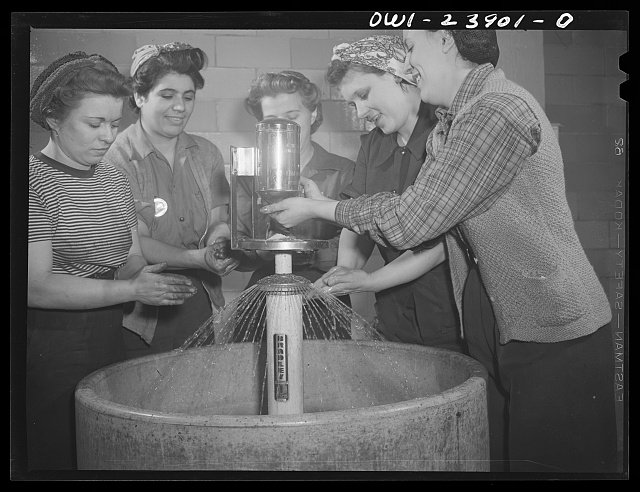
They were women.
They were Americans.
And they went to work.
Today, this colorful lunchbox is preserved in the Ghosts of the Battlefield collection as part of our larger story of women and war. It does not carry the name of a famous general or come from a battlefield overseas.
Its power comes from something quieter.
It represents the millions of ordinary women who packed a lunch, walked through a factory gate, and helped carry a nation through war.A colorful wartime lunchbox represents the millions of American women who carried everyday life into factories and defense work, proving they could serve their country without leaving their identity behind.