The Last Flight of a Pink Team
How a Mission to Rescue One Ranger Claimed Four More Lives
July 14, 2026

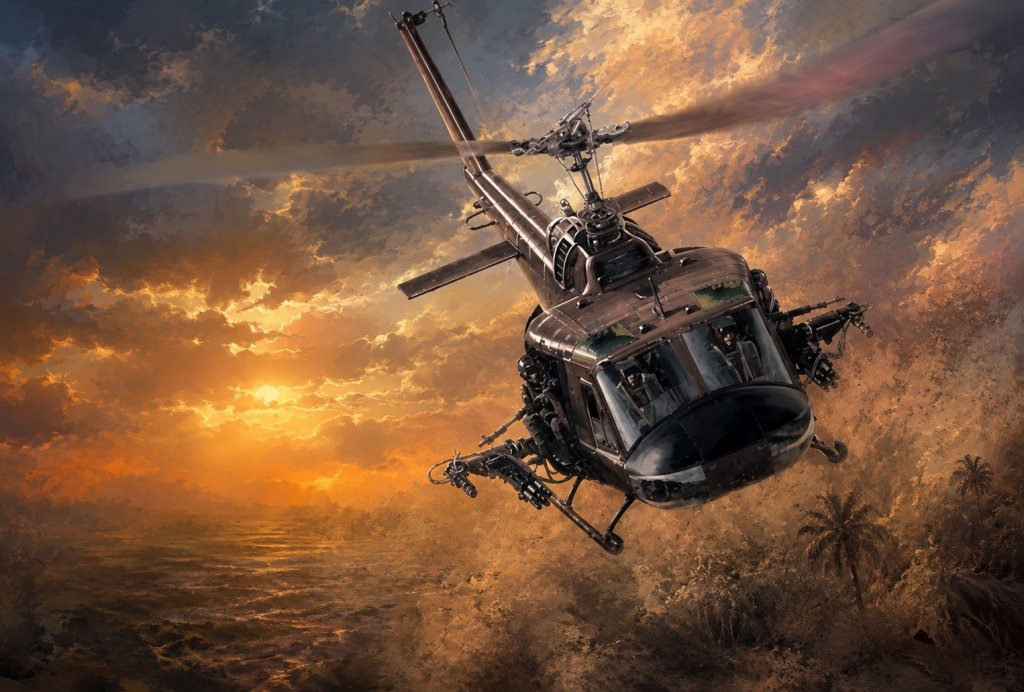
War rarely unfolds according to plan. Every mission begins with careful preparation, detailed maps, rehearsed procedures, and confidence born from experience. Yet within moments those carefully crafted plans can dissolve into confusion, darkness, rain, and tragedy. Few incidents illustrate that better than the events of July 14, 1969, when a single mission in the jungles of Binh Duong Province ended with two helicopters colliding in midair, four American aircrewmen killed, and one fallen soldier whose remains were never fully recovered.
The story began hours earlier when a Long Range Reconnaissance Patrol operating deep inside enemy-controlled territory was ambushed. The patrol was virtually wiped out, leaving only one Ranger alive. Recovering the survivor and the bodies of his fallen comrades became an immediate priority. Helicopters from Troop C, 1st Squadron, 9th Cavalry converged on the area as daylight faded, searching for a suitable landing zone while enemy forces still occupied the surrounding jungle. The urgency of the mission could not be overstated. Every passing minute reduced the chances of rescuing the lone survivor while increasing the danger to the aircraft committed to the operation.
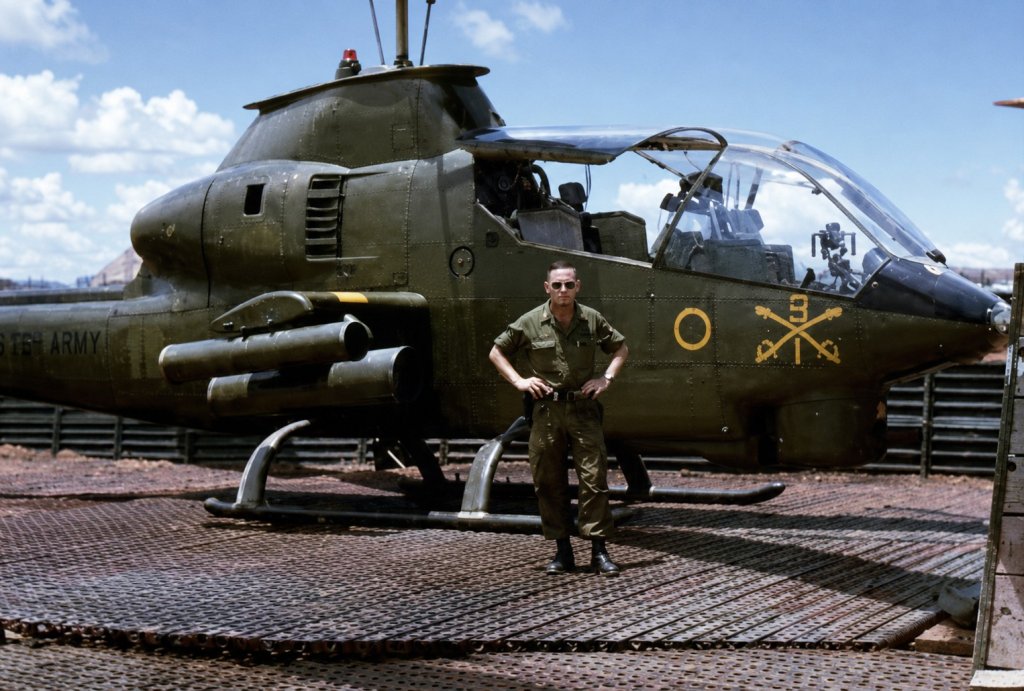
The 1st Squadron, 9th Cavalry had earned a legendary reputation during the Vietnam War for its aggressive aerial reconnaissance tactics. Its pilots deliberately searched for enemy forces in some of the most dangerous areas of South Vietnam using what became known as "Pink Teams," a combination of a lightly armed OH-6A Cayuse observation helicopter and a heavily armed UH-1 Huey gunship. The tiny Loach flew at treetop level, often intentionally drawing enemy fire, while the Huey circled nearby ready to attack any position that revealed itself. It was a remarkably effective tactic that relied on close coordination, exceptional flying skill, and absolute trust between both crews.
That evening the weather worked against them. Rain showers swept across Binh Duong Province as darkness settled over the battlefield, reducing visibility for the many helicopters supporting the rescue effort. Among them was UH-1B gunship 66-15138, crewed by Major Thomas M. Felton, Chief Warrant Officer Ernest D. Burns, Sergeant Ray G. Davis, and door gunner Private First Class Dewey R. Butler. Their aircraft was operating alongside an OH-6A Loach as part of a Pink Team while searching for a location from which rescuers could recover the surviving Ranger and the bodies of the patrol members who had been killed.
During the operation, the two helicopters drifted into one another's flight paths. In the poor visibility, the UH-1's rotating main rotor struck the smaller observation helicopter, severing its tail boom while simultaneously tearing away the Huey's own rotor system. The UH-1 immediately became uncontrollable. Witnesses watched helplessly as the burning gunship continued forward under its own momentum before crashing into the trees and exploding. Against extraordinary odds, the damaged OH-6A remained barely flyable, allowing its three-man crew to survive the collision and later be evacuated from the area.
When search teams reached the crash site, they encountered a scene of unimaginable devastation. The force of the collision, followed by the explosion and fire, had severely damaged the remains of the four Huey crewmen. Although identification was still possible, recovery operations were complicated by heavy enemy activity in the surrounding jungle. Faced with the growing danger of remaining in the area after dark, commanders made the painful decision to postpone recovering the bodies until daylight.
 When recovery teams returned the following morning, another tragedy had unfolded. Private First Class Dewey Butler's remains had disappeared. Tracks found around the crash site suggested that wild animals had entered the area during the night and carried away portions of his remains before they could be recovered. Only a boot containing part of his foot was found. It became one of the most heartbreaking recovery efforts of the Vietnam War and serves as a stark reminder that the horrors of combat did not always end when the shooting stopped.
 The loss carried an especially cruel irony for Sergeant Ray G. Davis. He had not been scheduled to fly aboard the Huey that evening, having replaced the aircraft's regular crew chief for the mission. Only three days remained before he was due to leave Vietnam and complete both his combat tour and his Army service. Instead of boarding a flight home, he became one of four names added to the growing list of Americans who would never return.
The story of this mission illustrates the extraordinary dangers faced by Army aviators during the Vietnam War. Enemy fire was only one of many threats. Darkness, poor weather, crowded airspace, split-second decisions, and the relentless urgency to rescue fellow soldiers created an environment where even experienced crews could be overwhelmed. Major Thomas M. Felton, Chief Warrant Officer Ernest D. Burns, Sergeant Ray G. Davis, and Private First Class Dewey R. Butler did not lose their lives attacking an enemy position or assaulting a landing zone. They died while attempting to save fellow Americans. More than half a century later, their final mission stands as a powerful reminder of the courage, sacrifice, and unwavering commitment displayed every day by the crews of the famed 1st Squadron, 9th Cavalry.
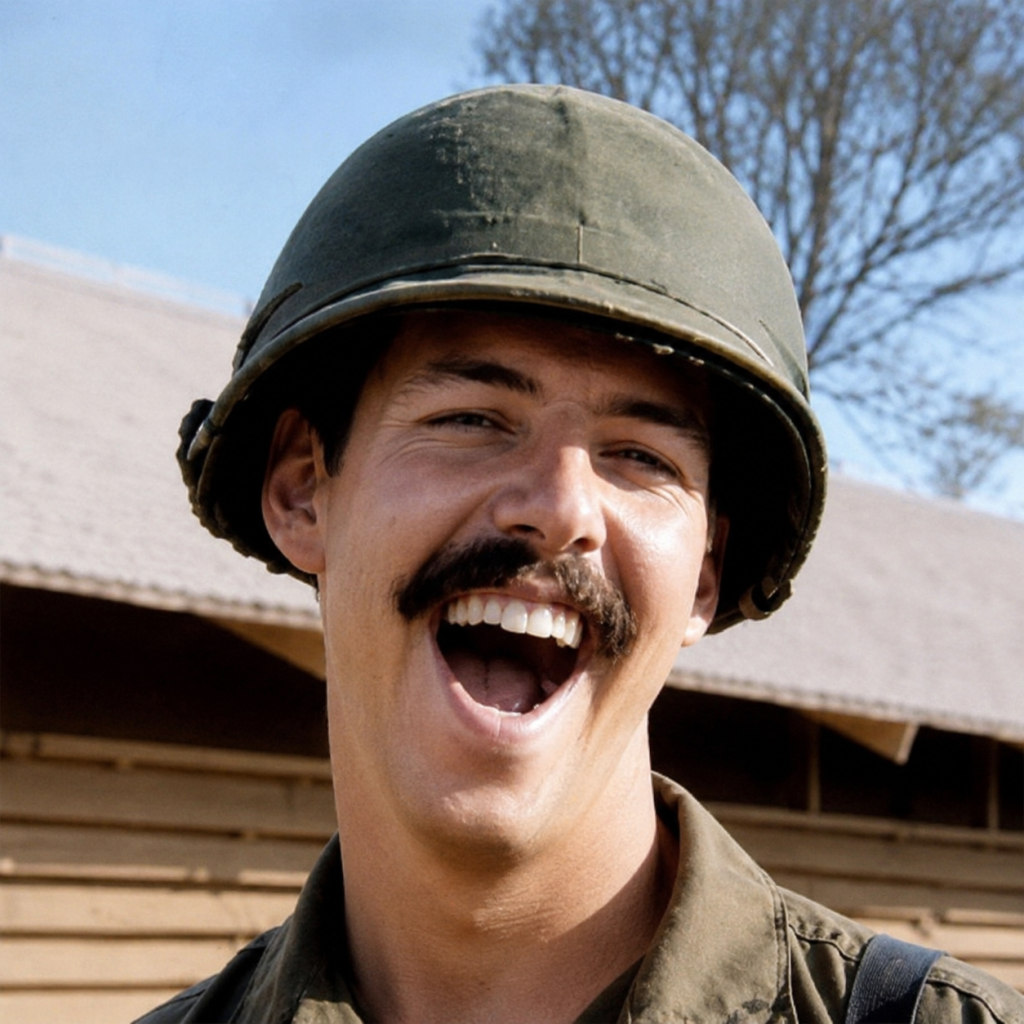 Chief Warrant Officer Ernest D. Burns
Among the four men who perished aboard the UH-1B gunship that rainy night over Binh Duong Province was Chief Warrant Officer Ernest Doom. Burns, the aircraft's copilot. Like so many Army aviators in Vietnam, Burns belonged to a generation of pilots who willingly accepted extraordinary risks in order to protect soldiers on the ground. Every mission demanded split-second decisions, precise flying, and absolute trust in the crew seated only inches away.
On the evening of July 14, 1969, Burns and the crew of their Huey were not searching for the enemy for its own sake. They were attempting to help rescue an ambushed Long Range Reconnaissance Patrol whose members had suffered devastating losses. As darkness closed in and rain reduced visibility, the urgency of locating the lone surviving Ranger and recovering the bodies of his fallen comrades pushed every aircraft in the area to its limits.
Serving as copilot, Burns worked alongside aircraft commander Major Thomas M. Felton while their UH-1B operated as part of a Pink Team with an accompanying OH-6A Loach. These hunter-killer teams represented some of the most dangerous flying in Vietnam, with the Loach searching for enemy activity at extremely low altitude while the gunship provided immediate fire support. It was a mission profile that required flawless coordination, especially in poor weather and fading light.
 During the operation, the two helicopters collided in midair. The Huey's rotor system was torn away, and the aircraft became uncontrollable before crashing into the jungle and exploding. Burns, along with Major Felton, crew chief Sergeant Ray G. Davis, and door gunner Private First Class Dewey R. Butler, was killed instantly.
Although the collision itself was accidental, the circumstances surrounding the mission remind us that these men lost their lives while attempting to save fellow Americans trapped behind enemy lines. They accepted the risks of night flying, deteriorating weather, and crowded airspace because somewhere below, another soldier still needed help.
Chief Warrant Officer Ernest D. Burns never returned from that mission. His sacrifice stands as a testament to the courage and professionalism of the Army aviators who flew into danger without hesitation, knowing that every flight could be their last. More than half a century later, his service remains a lasting reminder that the cost of war was measured not only in battles won or lost, but in the lives of the men who answered the call whenever others needed them most.
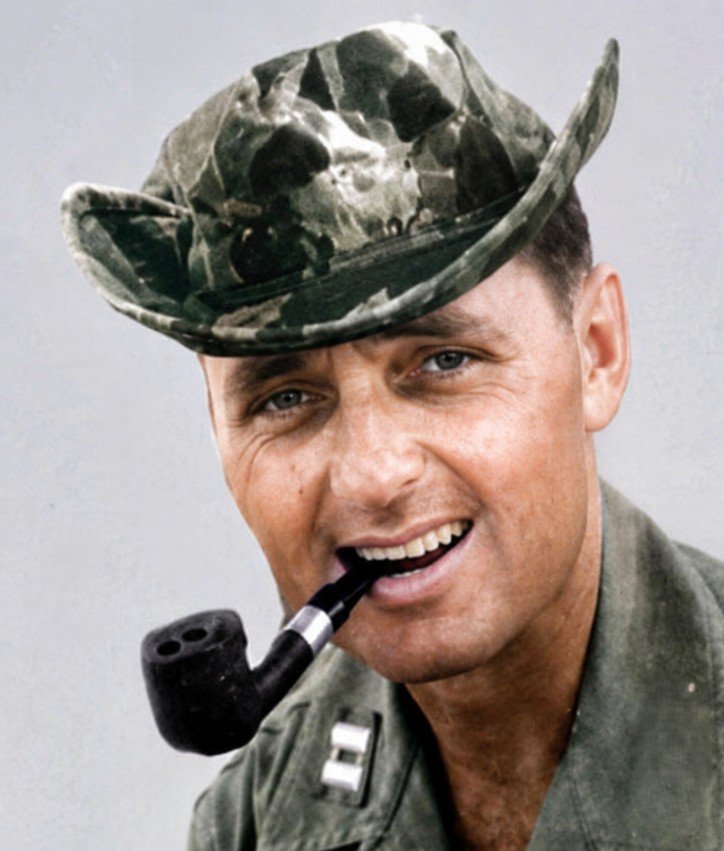 Major Thomas M. Felton
Major Thomas M. Felton was the aircraft commander of the UH-1B gunship that crashed during a rescue mission over Binh Duong Province on the rainy evening of July 14, 1969. An experienced Army aviator with Troop C, 1st Squadron, 9th Cavalry, Felton was entrusted with leading one of the most demanding missions flown in Vietnam—supporting Long Range Reconnaissance Patrols operating deep in enemy-held territory.
The mission that night was born from tragedy. A LRRP team had been ambushed, leaving only one Ranger alive. Helicopters from the 1st Squadron, 9th Cavalry filled the skies searching for a landing zone that would allow rescuers to reach the lone survivor and recover the bodies of the fallen. Despite worsening weather, fading daylight, and the ever-present threat of enemy fire, Major Felton and his crew launched in support of the operation.
Flying as the gunship element of a Pink Team alongside an OH-6A Loach, Felton commanded one of the Army's most effective and dangerous aerial reconnaissance tactics. Success depended upon maintaining close formation with the smaller observation helicopter while maneuvering at low altitude in poor visibility—conditions that left almost no room for error.
As darkness settled over the battlefield, the UH-1B and the accompanying OH-6A collided in midair. The Huey's rotor system was torn away, leaving the aircraft uncontrollable. Witnesses watched as the gunship continued forward, engulfed in flames, before crashing into the jungle below. Major Felton, Chief Warrant Officer Ernest D. Burns, Sergeant Ray G. Davis, and Private First Class Dewey R. Butler were all killed.
Major Felton's final mission reflected the very best traditions of Army aviation. He was not flying a routine patrol or administrative mission—he was risking his life in an attempt to save fellow soldiers stranded in hostile territory. Like so many helicopter pilots in Vietnam, he accepted that responsibility without hesitation, knowing that every rescue mission carried enormous danger.
Today, Major Thomas M. Felton is remembered not only as the commander of a gunship crew, but as a leader who flew toward danger when others needed him most. His sacrifice, and that of his crew, remains a lasting testament to the courage and selfless dedication of the men of the 1st Squadron, 9th Cavalry.
Help preserve the stories behind the artifacts. Click here to support Ghosts of the Battlefield.