Sleep, often scarce in wartime, emerges as a precious and elusive resource, critical for maintaining physical and mental resilience amidst the rigors of combat. The demands of warfare, coupled with physical exertion, conspire to exhaust even the most robust soldiers. Whether in the midst of battle or stationed at the front lines, finding opportunities for rest becomes a constant challenge.
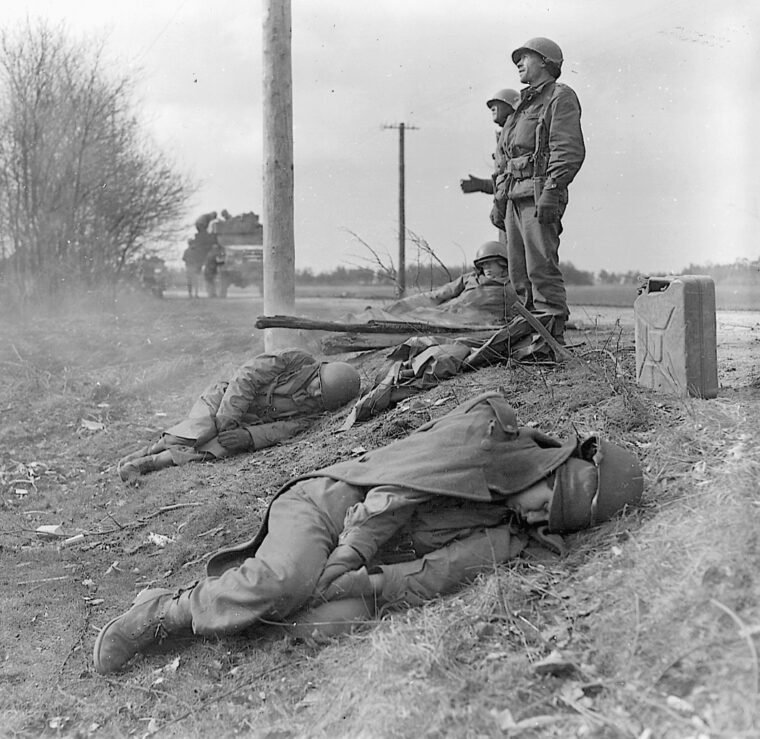
Throughout World War II, soldiers contended not only with enemy threats but also with disruptions to their sleep patterns. Snipers, artillery bombardments, and the menacing presence of "Bed Check Charlie" aircraft disrupted attempts at rest, keeping soldiers alert and on edge. Despite these challenges, American troops in Europe displayed adaptability, utilizing any available flat surface for sleeping and mastering the art of sleeping while standing or even while on the move.
The familiar adage "Hurry up and wait!" epitomized the soldier's experience, prompting soldiers to make the most of downtime whenever it presented itself. Even during training exercises, soldiers recognized the importance of rest. Lieutenant Van Mayhall's improvised sleeping arrangements under a tree during a rainstorm in North Carolina underscored the resourcefulness required to find moments of respite amidst demanding conditions.
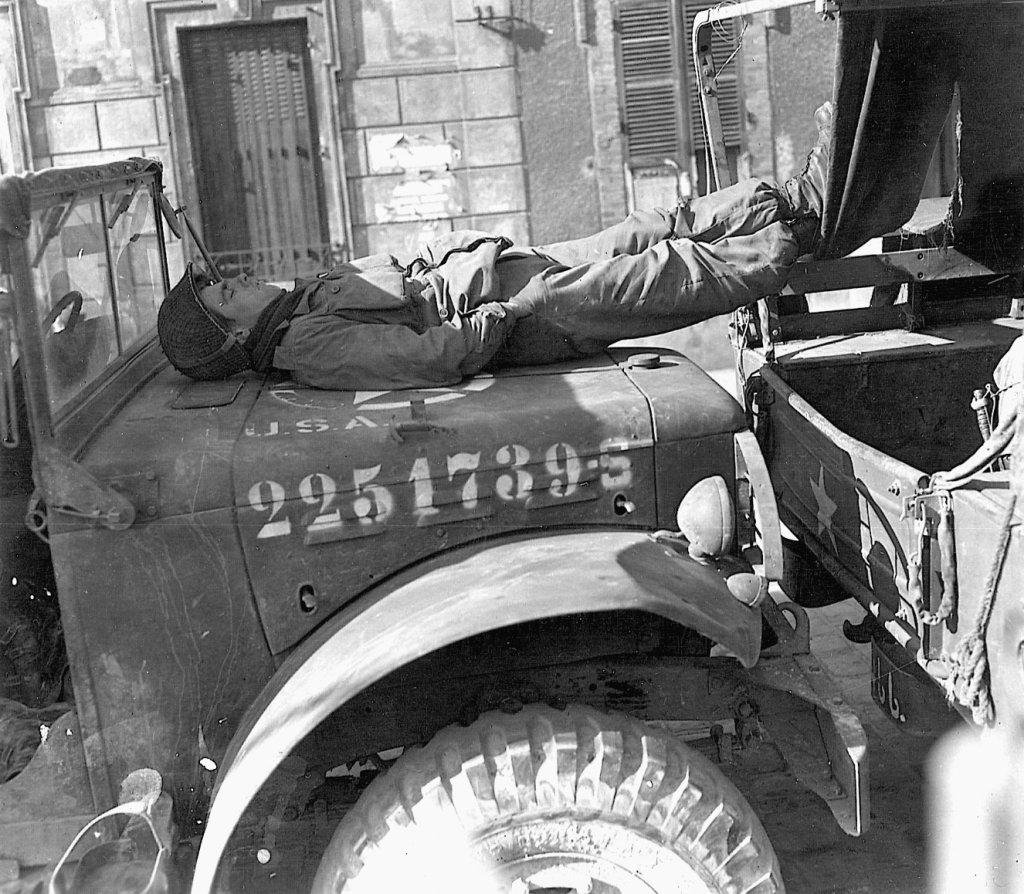
The harsh realities of combat further underscored the significance of sleep. Soldiers of the U.S. 101st Airborne Division, enduring days of intense fighting and deprivation inland from the Normandy beaches, faced severe sleep deprivation. The toll was evident as soldiers experienced periods of mental disorientation, unable to recall aspects of the battles in which they had fought.
In the crucible of war, where physical and mental endurance are paramount, the scarcity of sleep emerges as a formidable challenge, demanding resourcefulness, adaptability, and resilience from soldiers confronted with its relentless deprivation.


