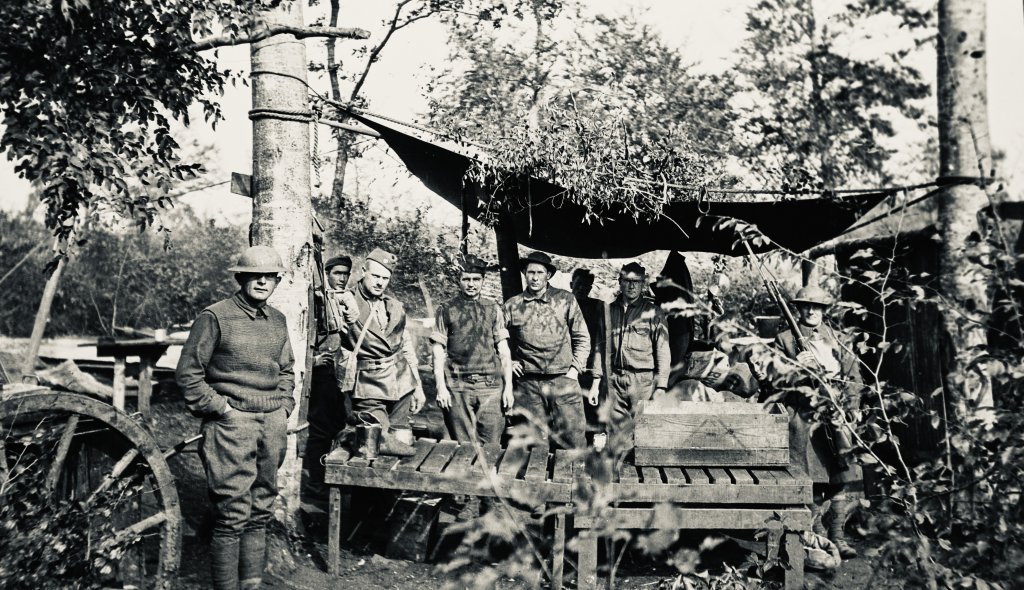
The Lightning Division in the Great War: Never-Before-Published Photographs
In the final year of the Great War, the 78th Infantry Division carved its path across France not just with rifles, but with the relentless labor of its engineers. These newly uncovered photographs reveal the men who built the roads, bridges, and lifelines
December 3, 2025

The 78th Infantry Division and the Engineers Who Built the Road to Victory
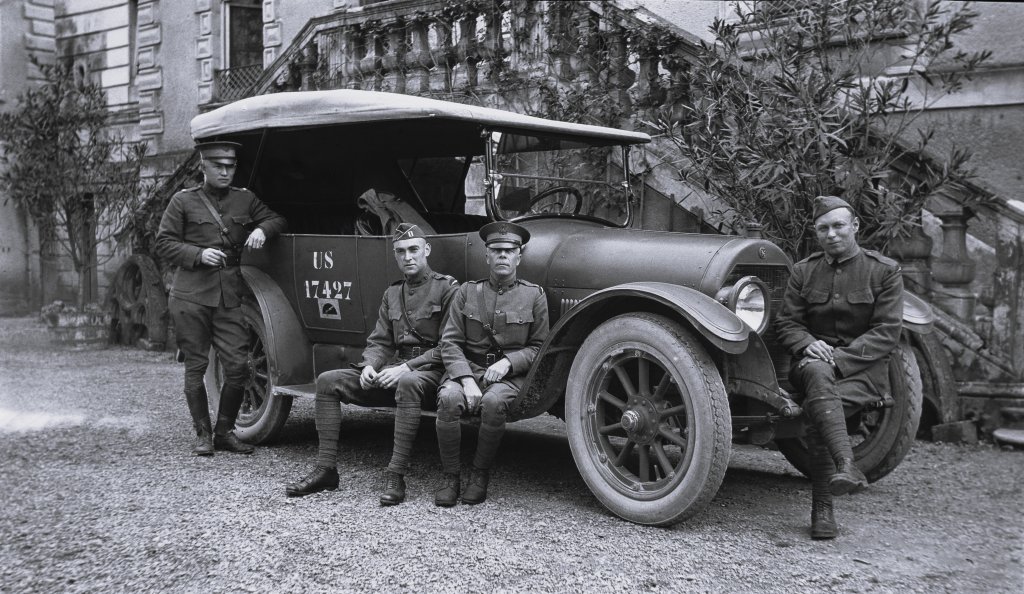
When American soldiers of the 78th Infantry Division stepped onto the shell-torn soil of France in the late summer of 1918, they carried far more than rifles and packs. They carried the responsibility of a nation still untested on the world stage and the expectations of Allies who desperately needed fresh troops, fresh strength, and fresh hope. Among the division's ranks marched men whose wartime accomplishments would rarely be told in full: the engineers. Their work shaped the course of the division's combat operations, allowed the infantry to move under impossible conditions, and ensured that wounded men, supplies, and ammunition could reach the front and return again.
 Today, a newly discovered set of photographs—never before published—opens a window into the world these men inhabited. Captured on muddy roads, half-finished bridges, ruined French villages, and aboard troopships carrying them home to a changed nation, these images restore life to a chapter of World War I too often overlooked. This is the story of the 78th Infantry Division in the Great War, told with particular attention to the 303rd Engineer Regiment—the carpenters, miners, bridge-builders, and road-makers who made victory possible.
FORMATION OF A NATIONAL ARMY DIVISION
The 78th Infantry Division was born from President Woodrow Wilson's great mobilization of 1917, a year in which the United States transformed from a neutral power into a nation raising an army of millions. Organized at Camp Dix, New Jersey, the division quickly earned the nickname “The Lightning Division,†a reference to the bold red-and-white lightning bolt worn on the shoulder. Its ranks filled with drafted men from New York, New Jersey, and Pennsylvania—clerks, machinists, schoolteachers, factory hands, and farm boys turned soldiers.
Unlike the Regular Army or the National Guard divisions, the 78th was a wartime creation molded by the urgency of international crisis. Its training blended intense drill, weapons instruction, and, later, the more modern necessities of trench warfare: gas mask drills, grenade practice, and the complicated choreography of attack formations designed for a battlefield unlike anything Americans had ever seen.
Among the most important organizations in the division was the 303rd Engineer Regiment. Engineers had become indispensable in modern war. The trench systems of France demanded constant fortification. Roads and bridges were destroyed deliberately or shattered by bombardment. Supply lines were the thin arteries keeping entire armies alive, and if those arteries broke, disaster followed. The men of the 303rd would spend their war at the forefront of this struggle.
ARRIVAL IN FRANCE
 The 78th Division arrived in France in June 1918, landing at ports such as Brest and Saint-Nazaire, where waves of American troops poured into camps designed to speed their movement toward the front. The engineers immediately split into detachments, some remaining to improve docks and railways, others moving toward training areas in the interior.
 In the never-before-seen photographs from this period, we see young Americans, their uniforms still new, standing beside French locomotives, railheads stacked with crates, and the muddy lanes of small Breton villages. These men were absorbing the realities of a modern industrial war—one fought as much with logistics and engineering as with rifles and bayonets.
The 303rd Engineers trained with British and French units, learning the latest techniques in trench construction, camouflage, wiring, demolitions, and road repair under fire. They practiced building pontoon bridges, erecting blockhouses, and clearing obstacles. As the American Expeditionary Forces expanded rapidly, the engineers faced the challenge of mastering specialized tasks with limited preparation, a situation demanding ingenuity and adaptability.
TOWARD THE FRONT: THE SAINT-MIHIEL OFFENSIVE
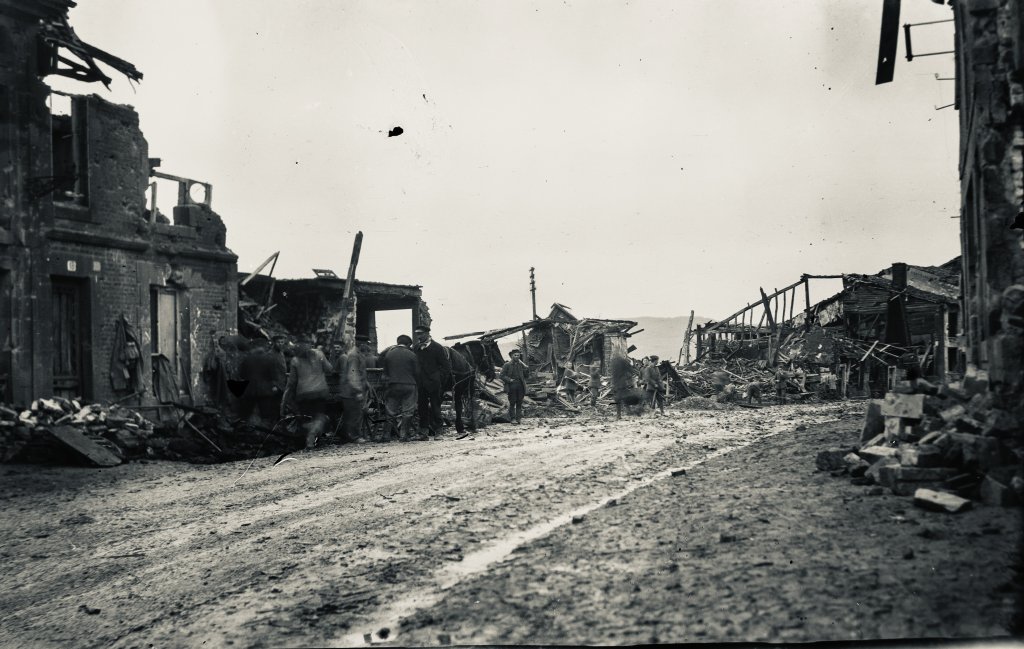
By September 1918, the 78th Infantry Division received orders to move toward the concentration area for the Saint-Mihiel Offensive, the first large-scale operation planned and executed entirely by the American army. Though the division's infantry ultimately served in reserve positions during the battle itself, the engineers saw significant work preparing for and supporting the assault.
 The Saint-Mihiel salient had been a festering wound in the Allied line since 1914. The German positions threatened communications and supply routes, and their entrenchments stretched across dense forests, ravines, and shell-scarred farmland. Before First Army could attack, engineers—including detachments from the 78th—were tasked with creating the infrastructure needed for hundreds of thousands of men, horses, guns, and supply wagons.
 The unpublished photographs reveal remarkable scenes: engineers laying corduroy roads through knee-deep mud; constructing timber trestle bridges across streams turned into torrents by rain; erecting water towers; and mapping enemy wire obstacles. These images capture the quiet heroism of men who worked not with the rifle but with the shovel, axe, saw, and pick—tools that, in their hands, became as vital to the war effort as any weapon.
When the offensive launched on September 12, the engineers' efforts proved invaluable. Roads held. Bridges remained intact. Ammunition reached the gunners. The infantry passed through territory made navigable by the labor of men who rarely received the recognition they deserved.
THE MEUSE-ARGONNE: THE 78TH ENTERS THE FURNACE
 After Saint-Mihiel, the 78th Infantry Division moved into line for what would become its defining trial: the Meuse-Argonne Offensive, the largest and bloodiest American campaign of the war. Beginning on September 26, the offensive sought to drive the Germans from their heavily fortified positions in the Argonne Forest and along the Meuse River.
The terrain facing the 78th was among the most difficult of the entire Western Front. Razorback ridges, deep ravines, ruined villages, and miles of barbed wire created a maze through which the division had to advance. The engineers were often the first to enter newly captured ground, clearing roads choked with debris, filling shell craters large enough to swallow trucks, and repairing bridges destroyed by retreating German units.
One extraordinary photograph shows a detachment of the 303rd standing beside the shattered remains of a stone bridge in the Argonne. Behind them, trees stripped of bark by artillery fire stand like skeletal fingers.
 In another image, engineers guide horse teams pulling lumber wagons along a road so narrow and torn that it barely resembles a path. Shell bursts in the distance send dirty plumes of earth skyward. These photographs, taken by unknown division photographers, capture the constant danger in which the engineers worked. Unlike infantry who attacked in bursts of action, engineers faced continuous exposure. If a bridge collapsed or a road washed out, the attack stalled. And when the attack stalled, the enemy brought down artillery with devastating accuracy.
During the Meuse-Argonne, the 78th Division suffered heavy casualties. The engineers shared fully in these losses. Some were killed while repairing communications lines; others while driving forward new roads in territory the enemy still contested. The regiment's records detail men who carried timbers across open ground swept by machine-gun fire, men wounded while clearing mines, and men who collapsed from exhaustion after working days without rest.
 THE ENGINEERS AND THE INFANTRY: A PARTNERSHIP IN STRUGGLE
One reason the 303rd Engineer Regiment deserves special emphasis is the intimate partnership they maintained with the infantry regiments of the 78th. Modern warfare eliminated the idea that combat arms alone decided victory. Instead, every attack required infrastructure.
To keep pace with the infantry, engineers often formed “working squads†that advanced immediately behind the leading companies. Their job was to make the battlefield passable even before it was fully secure. They filled trenches so pack animals could cross; laid temporary bridges over anti-tank ditches; cut firing steps for machine-gun platoons; and built shelters for command posts.
In the unpublished collection, a powerful photograph shows infantrymen of the 309th Regiment advancing along a sunken road while engineers hammer pickets into the ground beside them, securing telephone wire that will feed back to battalion headquarters. The juxtaposition—riflemen with bayonets fixed beside men carrying tools—speaks to the interdependence of the division's operations.
Another image captures a moment of quiet cooperation: an infantry private helping an engineer steady a plank as they build a duckboard walkway across a flooded ravine. Work and war blur into a single rhythm.
 LIBERATING FRENCH TOWNS
As October turned to November, the 78th Infantry Division pushed through the last German defensive belts toward the Meuse. Villages like Grandpré, Champigneulle, and Logny-les-Aubenton became familiar names in the letters and diaries of men who survived the campaign.
When the infantry reached these towns, the engineers followed immediately. They cleared rubble, shored up damaged structures for medical stations, and repaired water systems. They built makeshift bridges across millraces, reconnected roads, and erected signposts to guide the flow of troops and supplies.
 Photographs from this phase are among the most evocative of the collection. Engineers stand beside French civilians—elderly men in wool coats, children clutching tin cups, women in aprons—who watched with gratitude as the Americans repaired shattered wells, cleared rubble from market squares, or stabilized barns still used for shelter. These glimpses into the human dimension of the war reveal the often unsung compassion and skill the engineers brought with them.
THE ARMISTICE AND DUTIES OF OCCUPATION
On November 11, 1918, the guns of the Western Front fell silent. For the 78th Division, which had endured weeks of grueling combat, the Armistice brought relief but not immediate rest. The division shifted to repair, construction, and logistical duties in a devastated region. Engineers built winter quarters, repaired roads essential for humanitarian relief, and constructed temporary bridges to restore civilian travel.
The photographs from this period capture a quieter but equally significant chapter: engineers posing beside newly built timber bridges spanning rivers swollen with winter rain; groups of soldiers clearing debris from a collapsed church; and trucks loaded with construction materials rolling through villages slowly returning to life.
In one striking image, engineers stand in front of a vast lumber yard they organized from captured German stockpiles. Behind them, stacked planks stretch nearly a hundred yards. Their work was not simply military; it was restorative, essential for a population emerging from four years of occupation.
PREPARING TO COME HOME
By early 1919, orders finally arrived for the 78th Infantry Division to begin preparations for the trip back to the United States. Camps near Le Mans and Bordeaux swelled with returning soldiers. The engineers played an important role in readying staging areas, repairing docks, and ensuring the smooth flow of equipment.
Among the newly discovered photographs are scenes from these final months: engineers sitting on packed sea bags beside French railway cars; columns marching along frost-rimmed roads toward entrainment points; and soldiers waving from the decks of transport ships as they prepared to depart.
One image shows a group of 303rd Engineers with their barracks bags arranged in neat rows behind them, chalk scrawled on the bags with names, serial numbers, and hometowns. Their faces express a mixture of pride, fatigue, and anticipation. They had survived the worst war the world had yet seen, and now they were going home.
THE HOMECOMING
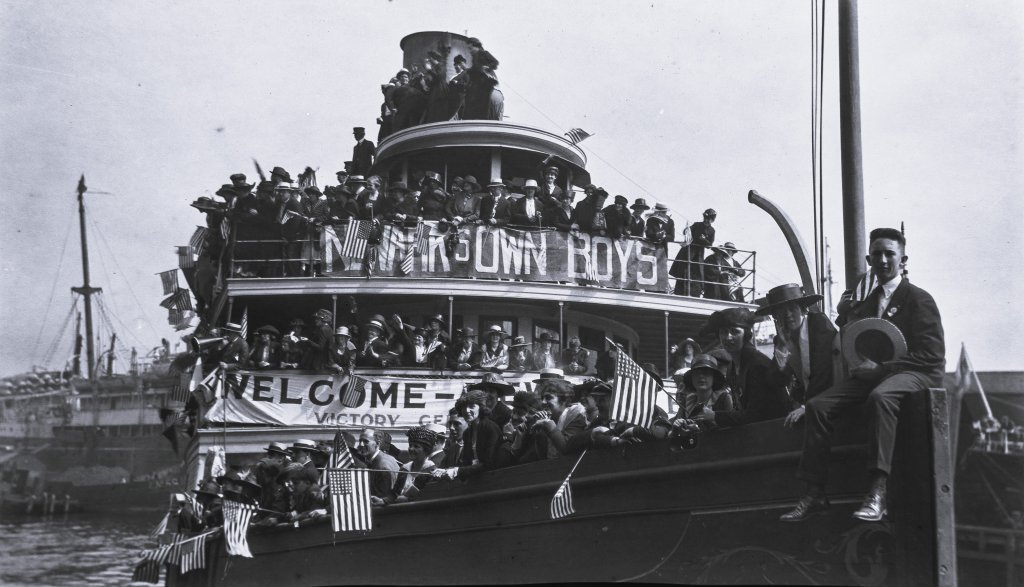
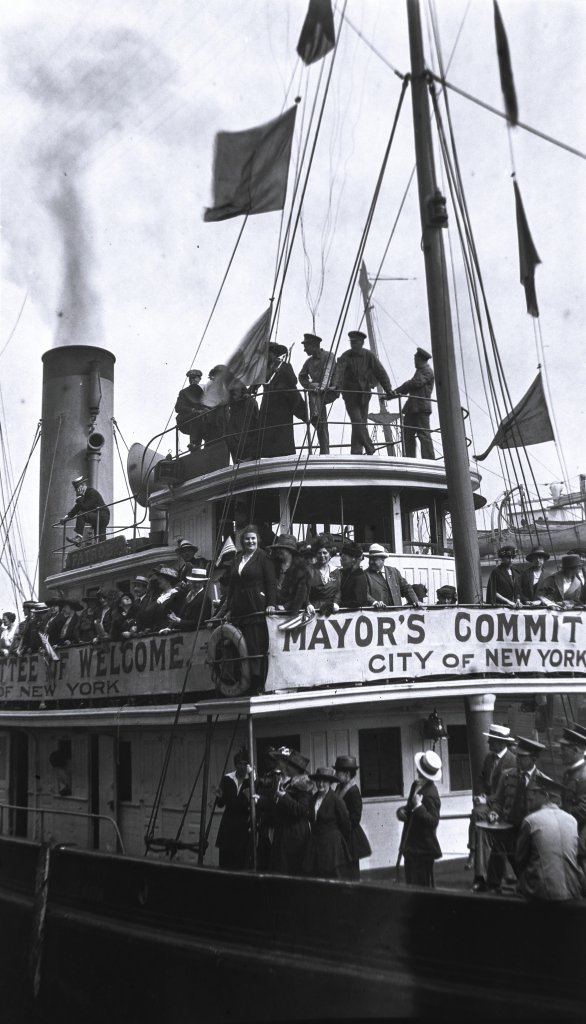
The return of the 78th Infantry Division to the United States was a moment of profound national pride. Crowds packed the docks. Brass bands played martial tunes. Newspapers announced the homecoming of the Lightning Division, hailing its service in the Meuse-Argonne.
Photographs from troopships such as the USS Leviathan, USS George Washington, or USS Mount Vernon show engineers lining the rails as the skyline of New York or the shores of New Jersey came into view. Some held small American flags; others simply stared in silence, absorbing the moment. The unpublished images capture everything from jubilant scenes of celebration to quiet portraits of men lost in thought, contemplating a future still uncertain.
Back at Camp Dix, the engineers began the long process of demobilization. They returned tools, turned in equipment, and attended final inspections. Medical examinations ensured they were fit for civilian life. Slowly, the regiment dispersed back to towns and cities across the Northeast.
In one photograph, a line of engineers stands outside a tent marked “Property Return.†Helmets hang from belts, greatcoats are buttoned high, and the men wait patiently to surrender the last physical ties to a regiment that had shaped their lives.
THE LEGACY OF THE 303RD ENGINEER REGIMENT
History often focuses on the infantry assaults, the artillery barrages, and the commanders whose names appear in textbooks. Yet the success of every major American offensive in the final year of the First World War depended on the work of engineers.
For the 303rd Engineer Regiment, the war was defined by ceaseless labor under fire. They transformed terrain, created order from destruction, and made it possible for the 78th Infantry Division to advance against some of the strongest German defenses on the Western Front. Their bridges carried wounded men to safety. Their roads allowed artillery to move forward. Their fortifications shielded command posts and hospitals. And their quiet courage saved countless lives.
The newly surfaced photographs—mud-covered boots beside wagon tracks, men swinging axes in forests stripped by war, faces lit by the glow of a small field stove at dusk—bring these contributions into vivid focus. They remind us that the Great War was not won solely by dramatic charges or famous battles. It was won by thousands of acts of skill, strength, and perseverance performed by the men whose stories rarely reach the spotlight.
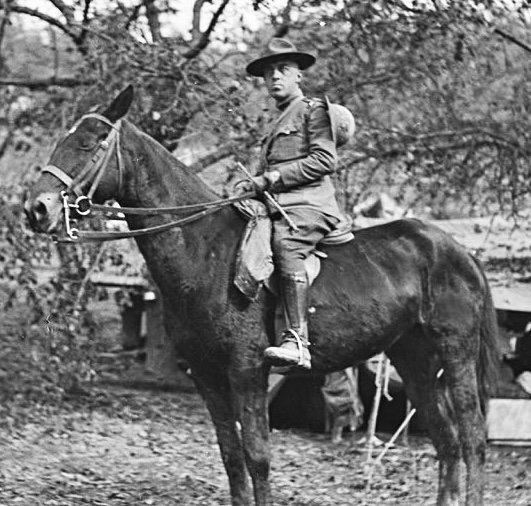
The engineers of the 78th Infantry Division did not seek glory. They sought to do their jobs, to keep their comrades alive, and to build the means by which victory could be achieved. The camera captured them in unguarded moments—laughing during brief rest breaks, wiping mud from their hands, leaning on shovels after hours of grueling labor, or staring directly into the lens with expressions that reveal both youth and the weight of war.
WHY THESE PHOTOGRAPHS MATTER TODAY
For more than a century, the story of the 78th Infantry Division's engineers remained largely confined to regimental histories, veterans' letters, and scattered archival notes. But the discovery of never-before-published images opens a new chapter—one that vividly connects modern audiences with the daily reality of men who lived through a world-changing conflict.
These photographs matter because they restore identity to soldiers who might otherwise fade into anonymity. They show us texture, emotion, and detail that written records alone cannot convey. They reveal the hard labor behind the victories and the infrastructure behind the charges. They show the American Expeditionary Forces not just as a fighting machine but as a human endeavor—raw, muddy, exhausting, and essential.
Most importantly, they allow the descendants of these men—and the public at large—to walk again in the footsteps of the 303rd Engineers. To see the bridges as they saw them. The roads. The destroyed villages. The moments of rest. The trip home. The return to life after war.
CONCLUSION: A TRIBUTE LONG OVERDUE
The 78th Infantry Division earned honor and distinction on the battlefields of France, but among its most vital contributors were the men of the 303rd Engineer Regiment. Their labor shaped the battlefield. Their ingenuity overcame obstacles that might have halted entire offensives. Their courage saved lives.
As these newly uncovered photographs reveal, the engineers embodied the quiet professionalism that won the war as surely as any dramatic charge. They were builders in a world bent on destruction, creators where everything had been smashed, and problem-solvers in a landscape defined by chaos.
More than a century later, their story returns to the light through images captured by men who never knew their work would be rediscovered. Today, through these photographs and the history they illuminate, the 303rd Engineers of the Lightning Division finally receive the recognition they deserve.
History survives because people choose to preserve it. Help us keep these stories alive.