The Telegram That Changed Everything
Captain Gerald A. Brown served with courage and compassion in Vietnam, leaving behind a legacy remembered far beyond the battlefield.
July 18, 2026

The photograph says more than any headline ever could. A grieving mother and father sit beside a framed portrait of their son and the Western Union telegram that changed their lives forever. It is a scene repeated in thousands of American homes during the Vietnam War, yet each family's loss was deeply personal.
Captain Gerald A. Brown, remembered by many as the "Kool-Aid Kid," was killed in Vietnam in May 1966, only weeks before he was expected to return home. A graduate of Texas Tech University in 1963, Brown had been recognized as one of the nation's outstanding ROTC cadets. His future appeared bright, but what left the greatest impression on those who knew him was not simply his military ability. It was his compassion for others.
Serving as an American advisor in Vietnam, Brown became known for organizing shipments of Kool-Aid, medical supplies, and other necessities for Vietnamese civilians, especially children. Friends, neighbors, and residents back home joined the effort, sending supplies overseas to support his mission. The nickname "Kool-Aid Kid" followed him because of the kindness he showed in a place defined by hardship and violence.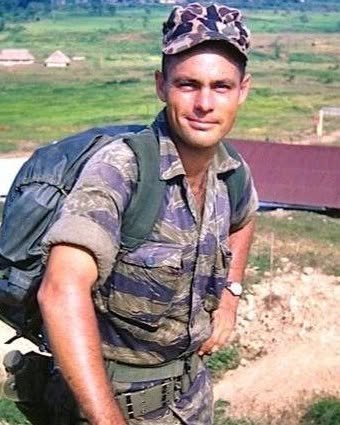
His mother later recalled how often he asked her to send more sweetened Kool-Aid for the children. Even after receiving shipments of medical supplies, he wrote home to say they had been put to good use and asked if more could be sent. His letters rarely spoke of danger. Instead, he chose to reassure his family, filling his correspondence with lighter subjects rather than the realities of war.
Then came the telegram.
Reports stated that Captain Brown and several other American advisors had been killed near the Cambodian border during fighting with hostile forces. He was only one of a small number of American advisors serving in that area.
His mother remembered that the last message she received from him arrived on Mother's Day.
"He only wrote me light things," she recalled. "Never... anything that would worry me."
 Brown had told his family he hoped to be home by Father's Day. His replacement had already arrived.
His father later explained that Gerald had wanted to serve with one of the Army's elite units because, in his words, "they were the tops." Yet his legacy extends beyond military achievement. He is remembered not only as an officer who answered his country's call, but as a young man who looked beyond the battlefield and found ways to help innocent civilians caught in the middle of war.
The photograph of his parents sitting beside that telegram remains a haunting reminder of the true cost of war. Every casualty notification delivered to an American doorstep forever changed a family. Behind every telegram was a son or daughter whose life touched countless others, and behind every folded piece of paper was a grief that would endure long after the fighting had ended.
Today we remember Captain Gerald A. Brown—not only for the uniform he wore, but for the compassion he carried with him to Vietnam and the kindness that earned him a nickname still remembered decades later.