Reynaldo Arenas: A Young Soldier, a Silent Patrol, a Life Cut Short in Vietnam
Drafted from Michigan and sent deep into enemy territory, Specialist Four Reynaldo Arenas served as a combat engineer with a Long Range Reconnaissance Patrol. He was killed by hostile small arms fire in Binh Duong Province on December 31, 1968, just 20.
December 31, 2025

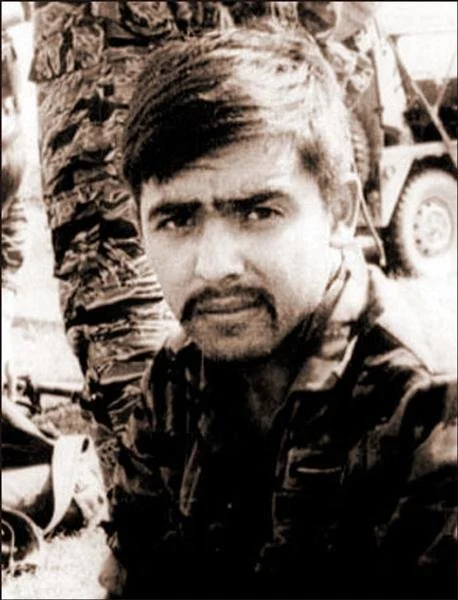 Reynaldo Arenas
 Reynaldo Arenas
Binh Duong Province, Republic of Vietnam
Some soldiers leave behind a trail of medals and headlines. Others leave only a name, a unit, and a date — and yet their sacrifice carries no less weight. Reynaldo Arenas was one of those soldiers. Drafted into a war he did not choose, sent to a battlefield few Americans truly understood, he served in one of the most dangerous roles of the Vietnam War and paid the ultimate price before his twenty-first birthday.
His story is not one of fame or fanfare. It is the story of duty, endurance, and quiet courage — the kind carried by thousands of young Americans who fought in the shadows and were never meant to be remembered individually. That is precisely why his name must be spoken.
A Son of Michigan
Reynaldo Arenas was born on February 7, 1948, in Holland, located in Ottawa County along the shores of Lake Michigan. Holland was a working-class town shaped by manufacturing, agriculture, and tight-knit neighborhoods. It was the kind of place where young men grew up with strong ties to family, church, and community — and where the war in Southeast Asia felt impossibly distant, until it wasn't.
Like many young Americans of his generation, Reynaldo came of age during a time of national upheaval. The Vietnam War dominated headlines, television screens, and dinner-table conversations. Draft notices arrived in mailboxes across the country, often without warning, transforming ordinary lives overnight.
Reynaldo was drafted into the United States Army through the Selective Service System. There is no record of protest or avoidance — only acceptance of the obligation placed upon him. He entered service as thousands before him had done: not seeking glory, but answering the call because it had come.
From Civilian to Soldier
Army basic training was designed to strip away civilian identity and replace it with discipline, obedience, and survival instincts. For Reynaldo, the transition would have been swift and unforgiving. Drill instructors pushed recruits to physical and mental limits, preparing them for a war that was already claiming lives at an alarming rate.
Following basic training, Reynaldo was assigned the military occupational specialty of Combat Engineer. Combat engineers were among the most versatile — and vulnerable — soldiers in Vietnam. They built roads and bridges, cleared landing zones, destroyed enemy fortifications, defused mines and booby traps, and often operated at the very front of advancing units.
In Vietnam, the term “engineer†did not mean safety. It meant danger with every step.
Arrival in Vietnam
On May 19, 1968, Reynaldo Arenas arrived in the Republic of Vietnam. The timing could not have been worse.
Just months earlier, the Tet Offensive had shattered American assumptions about the war. Although U.S. and South Vietnamese forces had repelled the attacks militarily, the psychological impact was profound. The enemy had demonstrated reach, coordination, and resilience that contradicted official optimism.
The war Reynaldo entered was more violent, more desperate, and more uncertain than the one described when the conflict began.
He was assigned to Company F, 52nd Infantry (LRRP), part of the 1st Infantry Division — the famed “Big Red One.†But Company F was no ordinary infantry unit.
Long Range Reconnaissance Patrols: War in the Shadows
Long Range Reconnaissance Patrols — LRRPs — represented one of the most dangerous forms of combat in Vietnam. These small teams operated far beyond friendly lines, deep in enemy-controlled territory. Their mission was not to engage in large battles, but to observe, report, and survive.
LRRPs moved silently through jungle, villages, and trails used by enemy forces. They tracked troop movements, identified supply routes, and called in airstrikes or artillery fire. Detection often meant death.
Company F, 52nd Infantry specialized in this kind of warfare. Patrols were typically composed of five or six men. There were no armored vehicles, no immediate reinforcements, and no second chances. If compromised, extraction under fire was often the only hope.
As a combat engineer assigned to an LRRP unit, Reynaldo's role was especially perilous. Engineers were responsible for dealing with mines, tripwires, booby traps, and demolition tasks — hazards that were constant in the dense terrain of Vietnam.
Every step forward carried risk.
Binh Duong Province: A Deadly Landscape
Reynaldo's service placed him in  Binh Duong Province, a region northwest of Saigon that had become a contested battleground. Dense jungle, rubber plantations, and hidden trail networks made the area ideal for enemy movement and concealment.
Binh Duong was part of the broader operational area surrounding War Zone C — long considered a stronghold of Viet Cong activity. American units conducted frequent reconnaissance and interdiction missions in the province, but control shifted constantly.
LRRP teams operating in Binh Duong faced relentless pressure. Enemy forces knew the terrain intimately and employed ambushes, snipers, and small-unit tactics with deadly effectiveness.
This was not a place for hesitation.
Life on Patrol
Life for an LRRP soldier was defined by silence, patience, and fear held tightly in check. Patrols could last days, sometimes weeks. Food was rationed. Sleep came in fragments. Hygiene was minimal. The jungle never truly rested.
Men moved single file, spaced just far enough apart to avoid multiple casualties from a single explosion — but close enough to maintain visual contact. Every sound was suspect. Every shadow could conceal an enemy fighter.
Combat engineers like Reynaldo were constantly alert for signs of mines or booby traps: disturbed soil, trip wires, unnatural patterns in vegetation. The enemy excelled at disguising death as terrain.
There were no safe days. Only survivable ones.
December 31, 1968
As the year 1968 came to a close, the war showed no sign of ending. Peace talks were distant and uncertain. For soldiers in the field, New Year's Eve carried no celebration — only another patrol, another mission.
On December 31, 1968, while operating in Binh Duong Province, Specialist Four Reynaldo Arenas was killed in action by hostile small arms fire.
The details of the engagement are sparse, as is often the case with LRRP casualties. Patrols were small, documentation limited, and battles brief but violent. What is known is enough.
He was twenty years old.
The Nature of His Sacrifice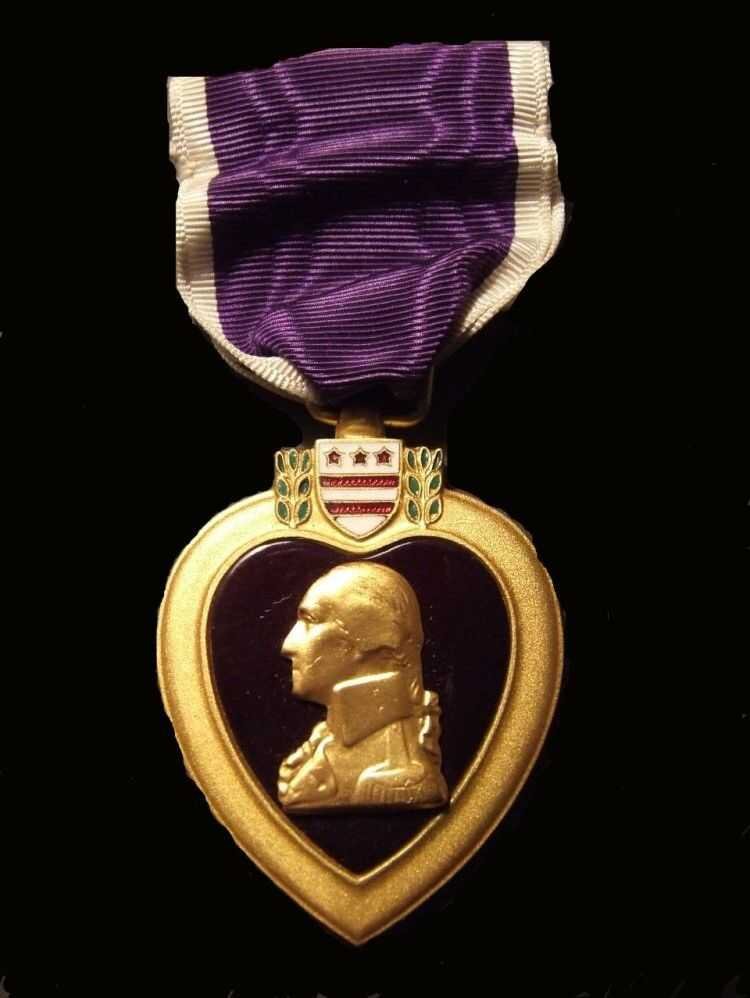
Reynaldo did not fall during a massive offensive or a widely reported battle. He died in the kind of engagement that defined Vietnam for so many — sudden, close, and unforgiving.
Small arms fire meant proximity. It meant that the enemy was close enough to see, to hear, to aim deliberately. There was no distance, no abstraction.
His death reflects the particular danger faced by LRRP soldiers and combat engineers: exposure without protection, risk without recognition, service without spectacle.
Notification and Homecoming
When news of Reynaldo's death reached home, it would have arrived in the form of a uniformed officer and a folded flag. For his family in Holland, Michigan, the war suddenly collapsed into a single moment — the knock at the door, the words no parent ever wants to hear.
The distance between Michigan and Vietnam was measured not only in miles, but in understanding. No explanation could fully convey where Reynaldo had been, what he had endured, or how he had died.
Only that he was gone.
Remembering the Unremembered
Vietnam produced no shortage of heroes. But it also produced thousands of names known only to families, comrades, and etched stone.
Reynaldo Arenas is one of those names.
He did not receive a Medal of Honor. His actions were not filmed or celebrated. Yet he served in one of the most dangerous units of the war, performing one of its most hazardous roles, and he did so until the moment he was killed.
His sacrifice embodies the reality of Vietnam: a war fought largely by young men who did not choose its politics, but bore its consequences.
Why His Story Matters
At Ghosts of the Battlefield, we believe remembrance must extend beyond famous battles and decorated commanders. History is incomplete if it forgets men like Reynaldo Arenas — soldiers who carried out their missions faithfully and disappeared quietly into the record.
His service reminds us that courage is often anonymous. That sacrifice does not require recognition to be real. And that the cost of war is measured one life at a time.
Reynaldo served with honor.
He fell in service.
He will not be forgotten.
Final Roll Call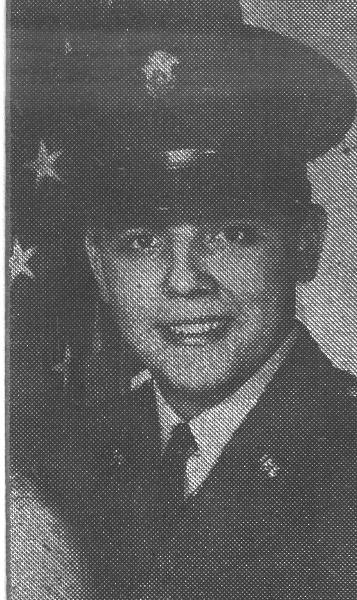
Reynaldo Arenas
Born: February 7, 1948
Home of Record: Holland, Ottawa County, Michigan
Drafted via Selective Service
Rank: Specialist Four
Military Specialty: Combat Engineer
Unit: Company F, 52nd Infantry (LRRP), 1st Infantry Division
Date of Death: December 31, 1968
Location: Binh Duong Province, Republic of Vietnam
Cause: Killed in Action — Hostile Small Arms Fire
Age: 20