Life and Death in the Delta - SP4 Roger Lee Venters
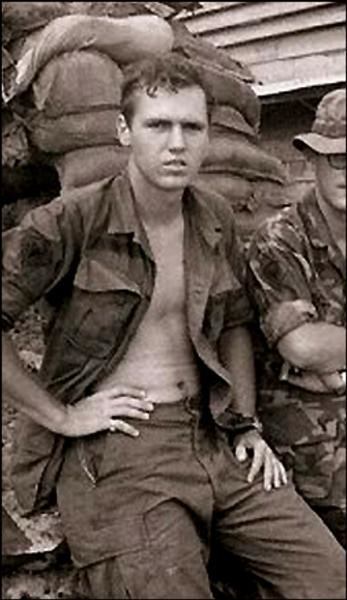
Roger Venters fought with the 9th Infantry Division in the Mekong Delta and was killed in action on December 5, 1969. He was 22.
December 5, 2025

 Life and Death in the Delta - SP4 Roger Lee Venters
 Life and Death in the Delta - SP4 Roger Lee Venters
Some men enter war by choice. Others enter because history calls their number. Specialist Four Roger Lee Venters of Chula Vista, California, was one of the many young Americans drafted into the United States Army during the height of the Vietnam War — an ordinary man placed into extraordinary danger. Assigned to the 9th Infantry Division's D Company, 3rd Battalion, 39th Infantry, he found himself in a unit known for its relentless operations across the Mekong Delta, one of the most unforgiving battlegrounds of the entire conflict.
A light-weapons infantryman, Venters began his Vietnam tour on January 7, 1969. He stepped into a world where every patrol carried the possibility of sudden violence, where rice paddies could hide mines, and where tree lines concealed lethal ambushes. The men of the 3/39th lived every day in a landscape shaped by water, mud, and enemy fire.
Born February 25, 1947, Venters was just twenty-one when he left California for a war thousands of miles away. Like so many drafted soldiers, he shouldered the responsibility laid upon him with quiet determination. He trained, he learned, he adapted, and he fought alongside men who quickly became more than fellow soldiers — they became the closest family he would ever know in combat.
Into the Mekong Delta — A War Like No Other
 For the men of the 9th Infantry Division, the Mekong Delta was both battlefield and adversary. Its rivers, canals, swamps, and rice paddies created an environment unlike anything American soldiers had faced before. Movement was difficult, visibility was limited, and the enemy used the terrain as a natural ally.
The Viet Cong were native to this region. They knew every tree line, every bend in the waterways, every hidden footpath. They struck swiftly and vanished into the labyrinth of the delta before American forces could respond.
Units like D Company, 3/39th Infantry fought not only the enemy but the environment itself:
-
Chest-deep water slowed patrols to a crawl.
-
Mud swallowed boots and vehicles alike.
-
Heat and humidity exhausted men long before contact.
-
Vegetation created natural ambush corridors everywhere.
SP4 Venters, like the rest of his battalion, learned quickly that the war in the delta rewarded alertness and punished hesitation. Infantrymen lived with their hearts constantly on edge, knowing the next fifty yards of water or brush could hold anything — or anyone.
A Soldier Forged by Experience
Draftees often arrived in Vietnam uncertain of what awaited them. Training could only prepare a man for so much. The rest came from experience — the shared bond of men who had already endured their first firefight, their first mortar attack, their first night on ambush patrol.
 Venters became one of them. He learned how to read the terrain, how to trust instincts sharpened by danger, and how to rely on the men around him. The 3/39th Infantry prided itself on discipline and cohesion. These qualities kept men alive in the delta's tight, close-quarters combat.
Venters earned his place in the line the hardest way possible — day after day of missions that tested endurance, nerve, and willpower. He carried the same heavy rucksack, the same M16 rifle, the same fears, and the same hopes as every other American infantryman fighting in 1969.
The Riverine Division — A Unique Form of Warfare
The 9th Infantry Division was unlike any other American formation in Vietnam. It operated closely with the Navy's Mobile Riverine Force, conducting joint infantry-naval patrols deep into areas only accessible by water. Soldiers boarded armored troop carriers, monitors, and command boats to raid enemy strongholds and strike swiftly at insurgent networks buried in the delta's maze.
This partnership gave the 9th Division its nickname: the Riverine Division.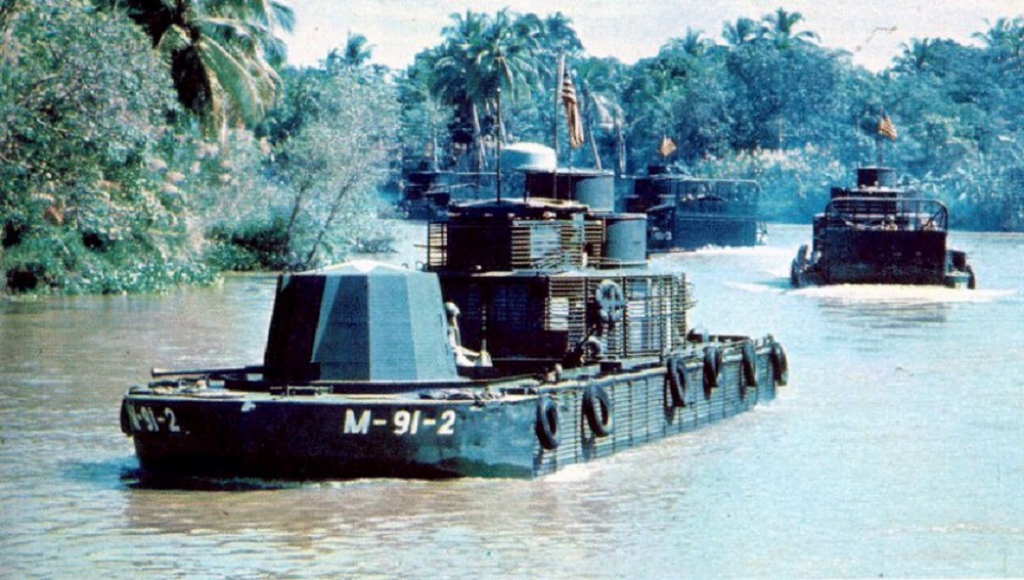
The men who served under its colors belonged to one of the most innovative and dangerous missions of the war. Their operations were fast, aggressive, and unpredictable — part amphibious, part jungle warfare, and absolutely unforgiving.
SP4 Venters, as a rifleman, was part of this unique patch of military history. His battalion conducted operations that blended Army and Navy capabilities in a way no other U.S. division did during Vietnam. Soldiers like Venters carried out the hard work of clearing villages, patrolling waterways, searching fortified hamlets, and standing their ground under small-arms fire from hidden enemy fighters.
The Constant Threat
The delta was never quiet.
Gunshots echoed suddenly from tree lines. Mines appeared in places that seemed safe moments before. Snipers targeted soldiers struggling through water. Booby traps lined dikes and footpaths. Even the riverine craft, armored as they were, faced RPG fire from concealed bunkers along the banks.
Infantrymen like Venters lived with the constant knowledge that the next moment could explode into chaos. Veteran accounts of the 9th Division often describe:
-
Patrols receiving fire at point-blank range
-
Villages erupting in sudden gun battles
-
RPGs streaking toward riverine craft during insertions
-
Ambushes lasting only seconds but leaving casualties behind
-
The eerie silence before contact, broken by the deafening roar of rifles
In this world, routine missions were never truly routine. Every step, every push forward, carried the shadow of threat.
December 5, 1969 — The Final Fight
On December 5, 1969, Specialist Four Roger Lee Venters was killed by hostile small-arms fire. The firefight that ended his life came as so many did in the delta — fast, violent, and close. There was no predictable pattern, no warning. One moment might bring quiet, the next an explosion of gunfire from an enemy determined to strike hard and disappear quickly.
 His fellow soldiers and medics did everything they could. In the chaos, men risked their own lives to reach him, pulling him to cover, applying pressure, inserting IVs, calling for evacuation. But the wounds he sustained were too severe.
He died at 22 years old.
The news of his death would have rippled through his platoon, through D Company, through the battalion. A brother lost. A friend gone. One less man in the hootch, on the trail, in the fighting hole. Every death left a mark on those who remained.
The Aftermath — A Loss Felt Across the Company
Veterans of the 3/39th often speak of the bonds formed in the delta — bonds forged by fear, sweat, sleepless nights, and shared danger. Losing a man meant losing a piece of the unit itself.
Venters' platoon would have gone back into the field soon after his passing. There were no breaks, no days to grieve. The war kept moving. Missions continued. The enemy kept fighting.
But inside every soldier's rucksack, inside every moment of quiet reflection, memories of fallen brothers remained. Men carried these losses long after the war ended.
Venters became one of those memories — a face, a voice, a friend remembered by those who survived.
A Name Etched in Stone
Today, his name is carved into the Vietnam Veterans Memorial Wall in Washington, D.C. Visitors drift past the polished black granite panels, pausing at the rows of names, touching the carved letters, tracing them with reverence.
On Panel 15W is the name Roger Lee Venters.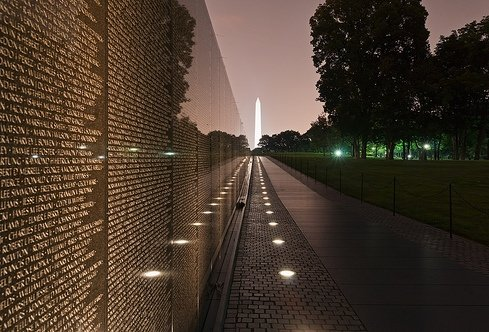
He is one among thousands, but his story — his courage, his service, his final day in the Mekong Delta — is uniquely his. The Wall does not tell us who he was as a person. It does not describe his loyalty, his friendships, his sacrifice. It simply preserves the truth that he lived, he served, he died, and he mattered.
Why His Story Matters
At Ghosts of the Battlefield, we tell the stories behind the names. The stories that remind modern audiences that war is not only fought by generals and professional soldiers, but also by draftees like SP4 Venters — young Americans who stepped into danger because their country asked them to.
His service shows us:
-
That courage is not the absence of fear, but the willingness to move forward despite it.
-
That the Mekong Delta demanded everything from those who fought there.
-
That draftees stood and fought with the same dedication as career soldiers.
-
That sacrifice touches every corner of America — including a young man from Chula Vista who never came home.
A California Son. A Rifleman of the Riverine Division. A Soldier Who Gave Everything.
SP4 Venters' life was short, but it carried meaning — to his family, to his brothers in D Company, to the men of the 9th Infantry Division, and now to everyone who reads his story and remembers his sacrifice.
He stepped into the Mekong Delta as a young American drafted into a distant war. He faced its dangers with resolve and duty. And in the end, he gave his life in service to his country.
Today, we honor him as more than a name in stone.
We honor him as a soldier of the Riverine Division, a brother-in-arms, and a reminder of the immense cost paid by a generation.
His story lives on — here, and wherever Americans remember the men who never came home.