Flying Into the Valley: The Sacrifice of Major Taylor D. Johnson
Chinook pilot MAJ Taylor D. Johnson was killed on January 26, 1966, while flying a resupply mission during Operation Masher in Vietnam.
December 16, 2025

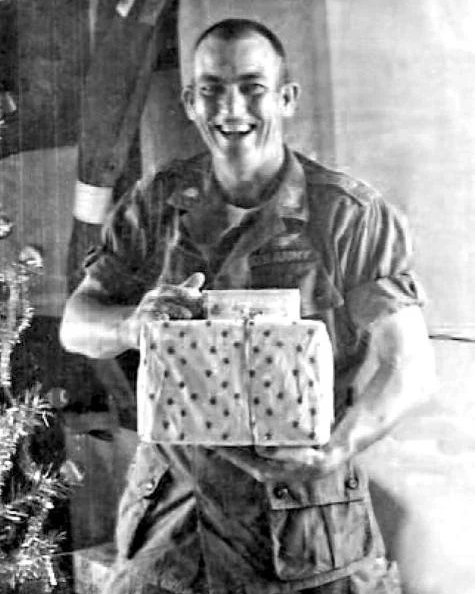 Flying Where Survival Was Measured in Feet
 Flying Where Survival Was Measured in Feet
Some missions demanded everything a pilot had — skill, nerve, endurance, and the willingness to fly where the margin for survival was measured in feet rather than miles. In the early years of the Vietnam War, before procedures were perfected and hard lessons fully learned, Army aviators were asked to push aircraft and themselves beyond limits that peacetime flying had never required. Major Taylor D. Johnson was one of those aviators — a Chinook pilot who flew into the convergence of weather, terrain, and enemy fire so others on the ground could survive.
Major Johnson belonged to the first generation of Army aviation combat leaders who carried the burden of proving a revolutionary concept in war. The doctrine of airmobile warfare promised speed, flexibility, and dominance over terrain — but it came at a cost paid in aircraft losses and human lives.
The Long Horns of the 228th Assault Support Helicopter Company
Major Johnson served with B Company, known as the “Long Horns,†of the 228th Assault Support Helicopter Company. The 228th was part of the rapidly expanding Army aviation force tasked with sustaining large-scale combat operations across Vietnam's most difficult terrain. Their aircraft of choice was the CH-47A Chinook — a powerful, twin-rotor heavy-lift helicopter capable of carrying troops, artillery pieces, ammunition pallets, fuel drums, and essential supplies.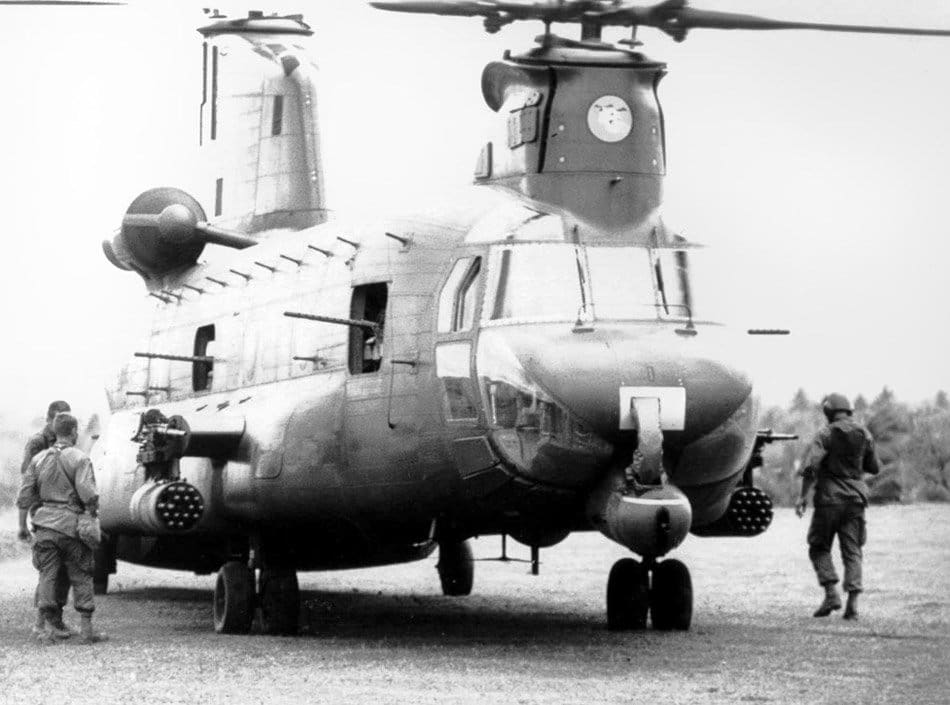
The Chinook was indispensable to the war effort, but it was also vulnerable. Large, loud, and slow to maneuver when fully loaded, it became an obvious target for enemy forces. Flying one required constant awareness, precise control, and absolute trust between pilots and crew members. Chinook crews were not just pilots — they were lifelines.
B Company's missions placed them in the most dangerous environments imaginable. Resupply flights often took place in contested areas where ground units were operating beyond the reach of roads or fixed bases. Without helicopters like the Chinook, entire operations would grind to a halt.
Operation Masher and the Rise of Airmobile Warfare
On January 26, 1966, Major Johnson was flying in support of Operation Masher, a massive search-and-destroy operation conducted by the 1st Cavalry Division. At the time, it was the largest operation of the Vietnam War, involving tens of thousands of U.S. and South Vietnamese troops and an unprecedented concentration of helicopters.
Operation Masher aimed to disrupt and destroy enemy forces entrenched along the central coast and into the rugged An Lao Valley. The terrain was unforgiving — steep mountains, dense jungle, narrow valleys, and limited landing zones. Traditional ground movement was slow and dangerous, making helicopters essential to every phase of the operation.
For aviation units, Operation Masher was both a proving ground and a crucible. It showcased the promise of airmobile warfare while exposing its vulnerabilities. Helicopters could deliver troops rapidly, but they were forced to operate within range of enemy weapons. Every flight carried risk.
Weather, Terrain, and the Deadliest Combination
The weather on January 26 was among the most dangerous adversaries Major Johnson would face. Low cloud ceilings pressed down on the mountains west of Bong Son, while fog and mist filled the valleys below. Visibility was severely restricted, leaving pilots with little room for error.
 Helicopter crews were forced to fly low and slow, often hovering up narrow valleys or edging along steep hillsides just to reach friendly units. These slow approaches stripped aircraft of their greatest defensive tools — speed and altitude — and left them exposed to ground fire.
For Chinooks, the danger was magnified. Their size made them difficult to conceal, and their mission profiles required steady, predictable flight paths during resupply operations. Pilots had to balance terrain avoidance, aircraft performance, and threat awareness simultaneously, often under extreme stress.
The Resupply Mission That Could Not Wait
Major Johnson's mission that day was a resupply flight supporting 1st Cavalry Division units operating deep in the mountains. These troops depended entirely on aerial logistics. Ammunition, food, water, and medical supplies all arrived by helicopter. Without regular resupply, units could be isolated and overwhelmed.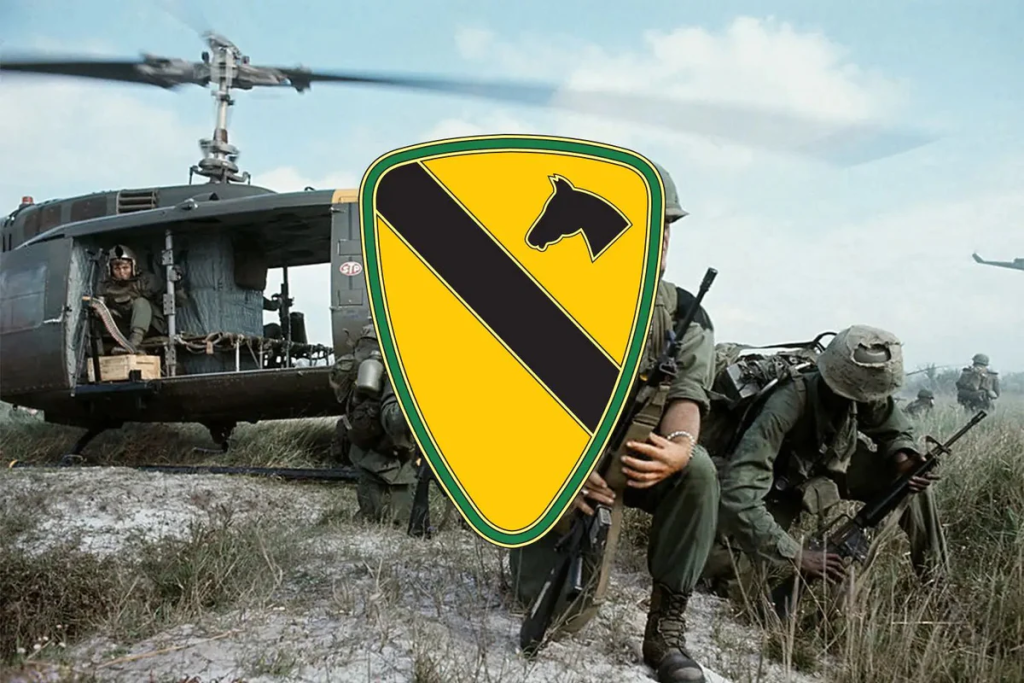
Resupply missions were not optional. They could not be delayed by bad weather or enemy presence. Aviation crews flew because soldiers on the ground needed them to fly — and Major Johnson answered that call.
As his CH-47A maneuvered through the narrow valleys, the aircraft entered a zone where enemy forces were actively engaged. The enemy understood the importance of helicopters and targeted them whenever possible, especially during low-altitude approaches.
Enemy Fire in the Narrow Valleys
While navigating the treacherous terrain, Major Johnson's Chinook came under small-arms fire. Even rifles and light machine guns could be deadly against helicopters flying at low altitude. A single well-placed round could penetrate the cockpit or disable critical systems.
During the attack, Major Johnson was struck by a head wound while at the controls of the aircraft. The wound was fatal. In the confined cockpit, there was no escape, no chance to evade, and no opportunity for recovery.
His death was instantaneous and devastating — a reminder of how quickly routine missions could turn lethal in Vietnam's combat environment.
Leadership at the Controls
Major Taylor D. Johnson was not simply a pilot filling a seat. As a major, he was a combat leader responsible for setting the standard for those under his command. His presence in the cockpit during a demanding resupply mission reflected the leadership ethos of Army aviation — leaders did not send others where they would not go themselves.
He flew alongside his crews, sharing the risks and burdens of combat aviation. Younger pilots and crew members looked to officers like Major Johnson for guidance, confidence, and example. His leadership was measured not by rank alone, but by action.
The Cost of Early Airmobile Combat
Major Johnson's death occurred during a formative period for Army aviation. In early 1966, airmobile doctrine was still evolving, shaped by combat experience and hard lessons. Losses like his were tragically common as units learned how to operate in hostile terrain under fire.
Each casualty informed changes in tactics, aircraft modifications, and training procedures. These lessons would save lives later in the war, but they came at tremendous cost to those who flew first.
For the men of the 228th Assault Support Helicopter Company, the loss of Major Johnson was deeply personal. Aviation units functioned as close-knit teams, and the absence of a leader was felt immediately.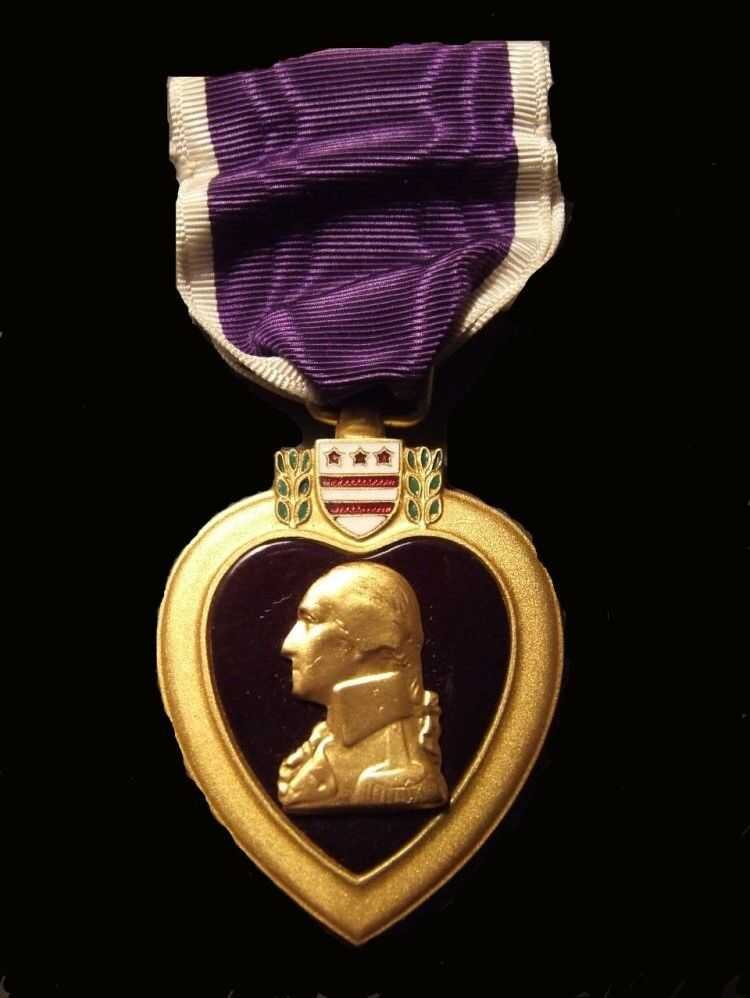
The Ground Soldier's Lifeline
To the soldiers of the 1st Cavalry Division, helicopters were more than machines — they were survival. Every resupply drop meant continued operations, sustained defense, and the possibility of evacuation if wounded.
Ground troops watched helicopters struggle through weather and fire, knowing that someone else was risking everything to support them. Major Johnson's sacrifice was part of that unspoken bond between air and ground forces.
A Legacy Written in the Air
Major Taylor D. Johnson did not fall in a dramatic air-to-air battle. He died in the course of a support mission — the kind of mission that sustains wars but rarely headlines them. Yet without such missions, combat operations collapse.
His sacrifice belongs to the early, costly chapters of the Vietnam air war — chapters written by pilots who flew heavy, vulnerable aircraft into conditions that tested the limits of skill and courage.