Medal of Honor: Wreck of the USS Memphis: Courage in the Face of the Sea, August 29, 1916
On August 29, 1916, the armored cruiser USS Memphis was smashed against the reefs of Santo Domingo by towering waves. Amid the wreck and chaos, three men stayed at their posts below decks—earning the Medal of Honor in a battle against the sea.
August 29, 2025

The Day the Memphis Sank: Tragedy and Heroism on August 29, 1916
On the afternoon of August 29, 1916, the armored cruiser USS Memphis lay anchored just off Santo Domingo in the Dominican Republic. To the crew, it seemed like another routine day, with calm seas and normal activity aboard ship. But beyond the horizon, immense ocean swells were building, driven by the approach of a powerful hurricane. At first the waves seemed harmless enough, but within hours the tranquil waters turned into a death trap.
By mid-afternoon, men on deck spotted massive walls of water rolling toward the cruiser. The crew rushed to raise steam in hopes of escaping the anchorage, but the effort came too late. As the great waves broke over the decks, water poured into open gun ports, ventilators, and even down the ship’s funnels. The fires beneath the boilers were extinguished almost immediately, leaving the Memphis powerless. The mighty armored cruiser was at the mercy of the sea.
For the next ninety minutes, the Memphis was battered mercilessly. Towering waves slammed her broadside, lifted her on their crests, and drove her against reefs and rocks with crushing force. The engines were disabled, the hull was ruptured, and compartments flooded. Although the ship never slipped beneath the surface, she was effectively destroyed, her proud silhouette reduced to a wrecked hulk along the shoreline.

The disaster took a heavy toll on the crew. Forty-three sailors were killed outright or swept overboard by the relentless seas. More than two hundred others were badly injured, some during the initial waves and others as small boats attempted rescues after nightfall. It was one of the worst peacetime tragedies in the history of the United States Navy.
Amid the chaos, acts of extraordinary heroism shone through. In the engine room, Chief Machinist’s Mate George William Rud refused to abandon his post as steam pipes ruptured and boiling vapor filled the space. He remained at his station until he was fatally burned, ensuring others had time to escape. Nearby, Lieutenant Claud Ashton Jones fought desperately to control the flooding boilers and prevent an explosion that would have torn the ship apart. Though severely injured, he survived and would later rise to the rank of Rear Admiral. Another machinist, Charles H. Willey, distinguished himself by carrying shipmates from the engine room to safety—reportedly hauling more than a hundred men on his shoulders through the choking steam and rushing water before he himself was ordered to leave.
For their courage under such impossible conditions, all three men were awarded the Medal of Honor. These awards stand out in history as rare examples of the nation’s highest military decoration being bestowed for non-combat valor. The loss of the Memphis was a terrible tragedy, but it was also a testament to the selfless bravery of sailors who, in the face of certain death, chose duty and sacrifice over personal safety.
The wreck of the Memphis remained along the Dominican coast for years, a rusting reminder of the sea’s power and the fragility of even the mightiest warships. Yet her story lives on not only as a cautionary tale of nature’s fury, but as a lasting tribute to the men who gave their lives and to those whose courage that day earned them a place among America’s honored heroes.
Medal of Honor - USS Memphis, August 29, 1916
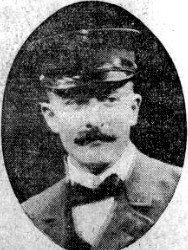 Chief Machinist’s Mate George William Rud (Posthumous)
 Chief Machinist’s Mate George William Rud (Posthumous)
Summary of Action:
When towering waves struck USS Memphis and flooded the engineroom with scalding steam, George W. Rud refused to abandon his post. Trapped below decks with his men, he worked tirelessly to secure the boilers and keep the engines under control. Though fatally burned, his sacrifice prevented further explosions and gave countless sailors the chance to escape.
Citation:
For extraordinary heroism on 29 August 1916, while serving on board the U.S.S. Memphis, at Santo Domingo, Dominican Republic. Chief Machinist’s Mate Rud remained at his station in the engineroom of the ship, which was being battered by heavy seas and flooding with steam and boiling water, until he was overcome and killed by scalding steam. His courageous devotion to duty in the face of imminent death saved the lives of others of the engineroom force.
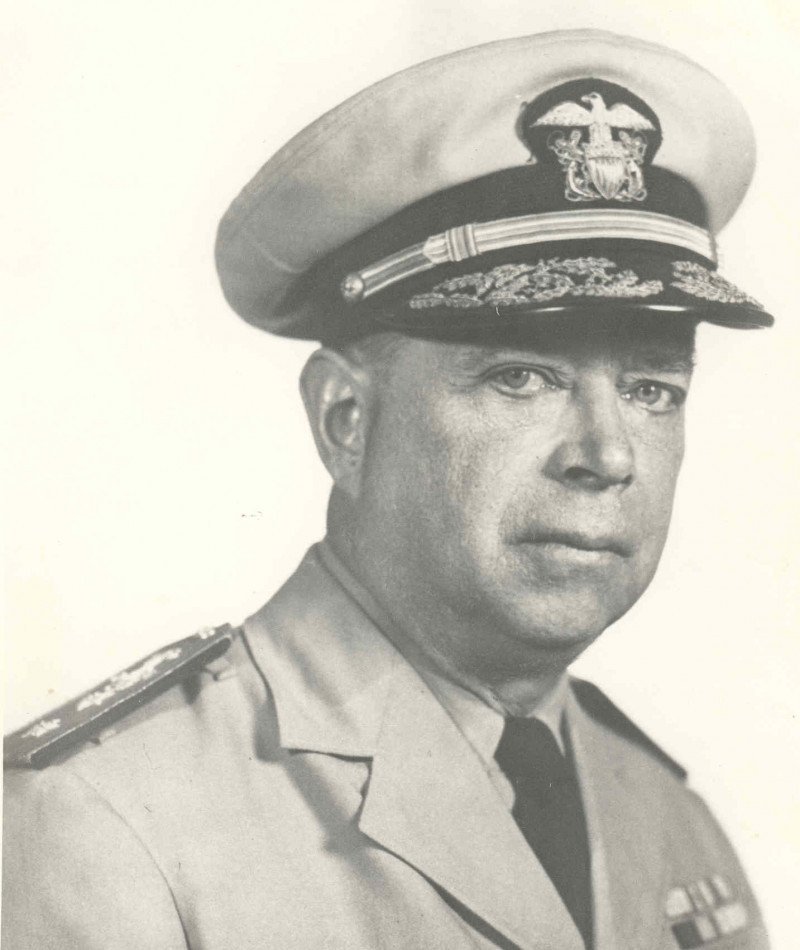 Lieutenant (Commander) Claud Ashton Jones
 Lieutenant (Commander) Claud Ashton Jones
Summary of Action:
As the Memphis was driven helplessly onto the rocks, Lieutenant Jones stayed below with the engineering force. Fighting through blinding steam and rushing water, he directed efforts to secure the boilers and engines, preventing catastrophic explosions. Though badly burned, he refused to leave his post until ordered out, setting an enduring example of leadership under impossible conditions.
Citation:
For extraordinary heroism on 29 August 1916, while serving on board the U.S.S. Memphis, at Santo Domingo, Dominican Republic. When the ship was struck by a series of heavy seas and rendered helpless, Lieutenant Jones remained at his station in the engineroom, directing the securing of boilers and engines, until ordered to leave. His courage and selfless devotion to duty, carried out at the risk of his life, materially lessened the loss of life among his shipmates.
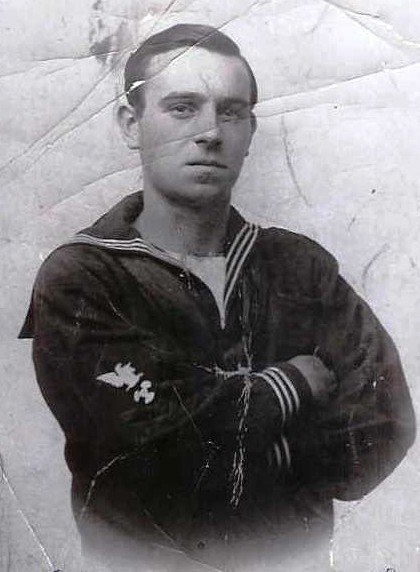 Machinist Charles H. Willey
 Machinist Charles H. Willey
Summary of Action:
Amid exploding steam lines and flooding machinery spaces, Charles H. Willey displayed remarkable strength and determination. He carried dozens of injured and unconscious sailors to safety—reportedly rescuing over a hundred men in repeated trips through smoke, heat, and scalding water. His refusal to abandon others until forced out by superior orders remains one of the most heroic rescue efforts in naval history.
Citation:
For extraordinary heroism on 29 August 1916, while serving on board the U.S.S. Memphis, at Santo Domingo, Dominican Republic. Machinist Willey remained in the engineroom after the boilers had exploded and the space was filled with scalding steam, assisting in rescuing many shipmates until forced to leave by superior authority. His gallant conduct and disregard for his own life resulted in the saving of many others.
The wreck of the USS Memphis stands as a somber reminder of the sea’s unforgiving power, but the heroism of her crew gives the tragedy its enduring meaning. In the face of certain death, Rud, Jones, and Willey placed duty and the lives of their shipmates above their own. Their courage transformed disaster into a story of sacrifice, ensuring that the legacy of the Memphis is not just one of loss, but of honor.
