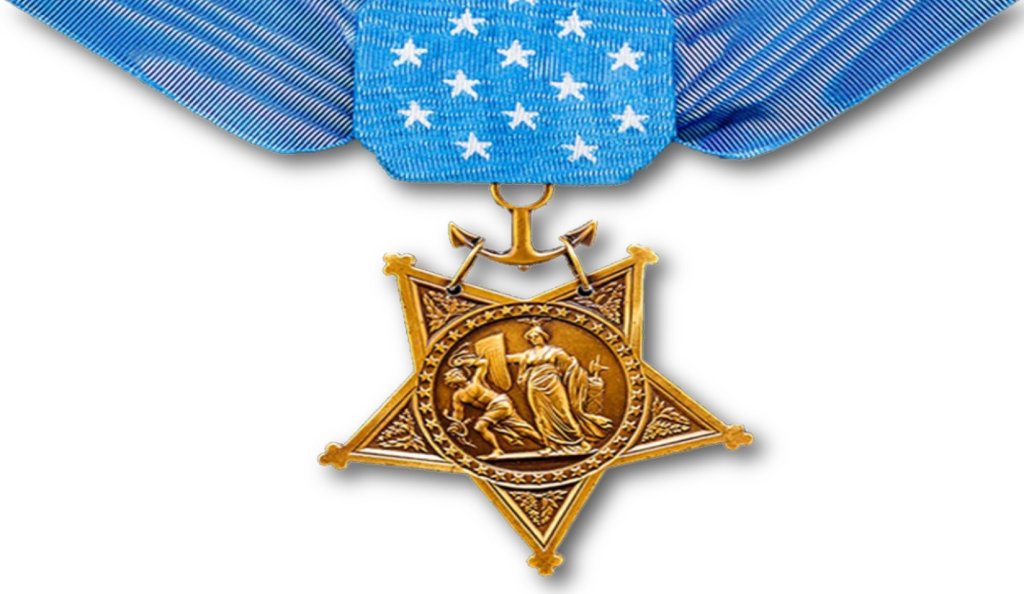
Medal of Honor: Thomas James Reeves - World War II - December 7, 1941
When USS California's ammunition hoists failed under fire, one warrant officer carried shells by hand through burning passageways — continuing until smoke and flames overcame him, giving his life to keep the ship's guns firing.
December 9, 2025

 Name: Thomas James Reeves
Rank: Radio Electrician (Warrant Officer)
Organization: U.S. Navy
Unit: USS California (BB-44)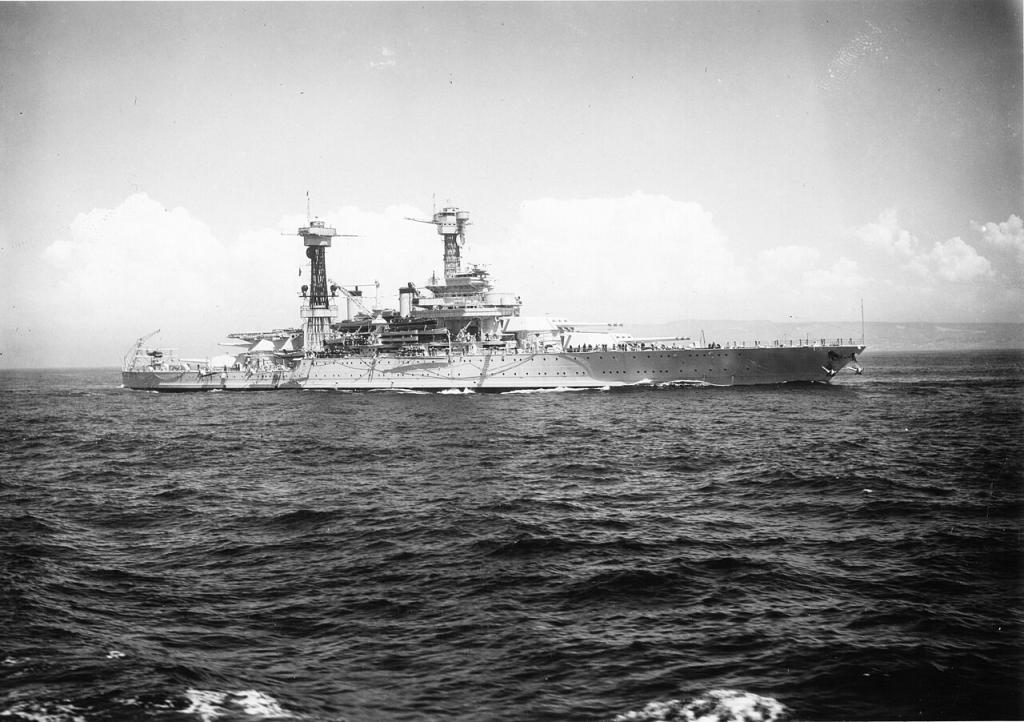
Place and Date: Pearl Harbor, Oahu, Territory of Hawaii - 7 December 1941
Entered Service At: Connecticut
Born: December 9, 1895 - Thomaston, Connecticut
Departed: December 7, 1941 (Killed in Action)
Accredited To: Connecticut
Summary of Action
During the Japanese attack on Pearl Harbor, USS California quickly came under torpedo and bomb strikes that disabled her electrical systems — including the mechanical ammunition hoists vital for supplying the antiaircraft batteries. With fires spreading and compartments filling with smoke, Radio Electrician Thomas J. Reeves took it upon himself to help maintain the ship's only lifeline of defense.
Working in a burning passageway deep within the ship, Reeves joined sailors hand-carrying ammunition to the upper decks, feeding the guns that were still able to fire at attacking Japanese aircraft. The route was choked with smoke, heat, and flames, and each trip grew more dangerous as the ship continued to list and flooding worsened.
Reeves stayed at the task until the toxic smoke and fire overcame him.
His sacrifice ensured the antiaircraft guns of California remained supplied during the height of the attack, saving the lives of shipmates and allowing the battleship to continue the fight.
Medal of Honor Citation