Medal of Honor: Master Sergeant Travis E. Watkins War, Korean War, August 31 - September 3, 1950
Cut off, surrounded, and outnumbered ten to one, Master Sergeant Travis Watkins refused to yield. For three days he led thirty men in a desperate stand, turning an impossible fight into one of the most astonishing acts of defiance in the Korean War.
September 3, 2025

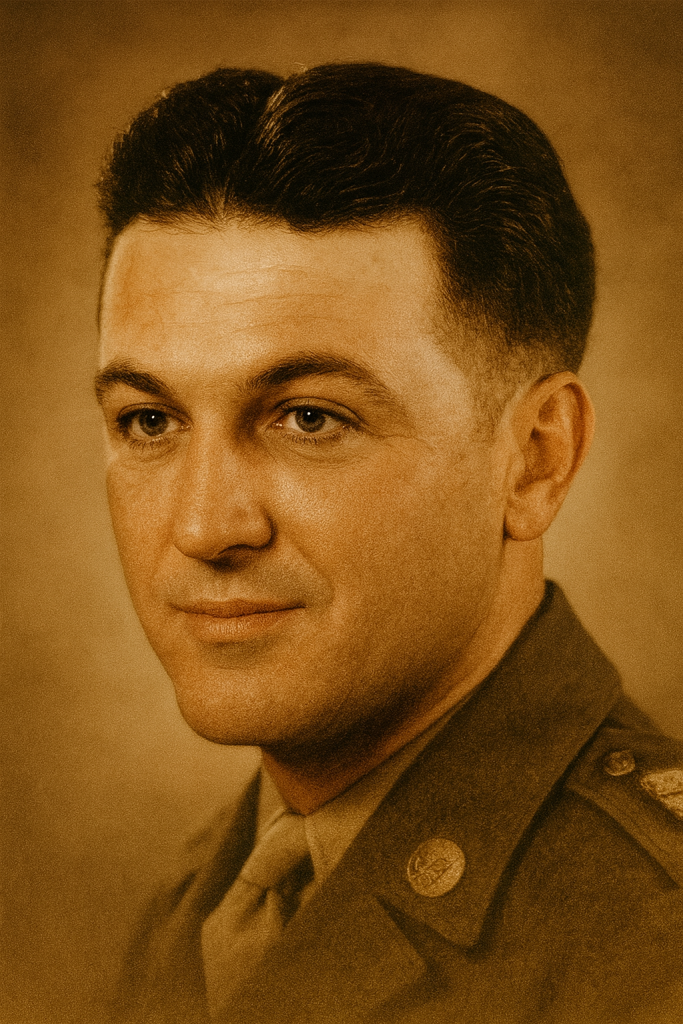 Master Sergeant Travis E. Watkins
 Master Sergeant Travis E. Watkins
War: Korean War
Date of Action: August 31 - September 3, 1950
Summary of Action
In the opening months of the Korean War, the U.S. Army’s 2nd Infantry Division was stretched to the breaking point, desperately holding the line near Yongsan against waves of enemy assaults. Amid this storm, Company H, 9th Infantry Regiment was pushed back and nearly overrun, leaving just thirty men cut off and surrounded by hundreds of enemy troops.
Into this chaos stepped Master Sergeant Travis E. Watkins, a seasoned noncommissioned officer who assumed command when his group was isolated. Watkins quickly organized a hasty perimeter, moved among foxholes under fire, and directed his men’s defense with steady resolve.
When ammunition and grenades grew scarce, Watkins took matters into his own hands. Spotting two enemy soldiers outside the perimeter, he coolly shot them, then advanced alone through open ground to recover their weapons and ammunition. Ambushed by three more enemy soldiers and wounded in the process, Watkins returned fire, killing them all, and staggered back with their arms—stunning his comrades with both his audacity and his willpower.
His fight did not end there. During another furious assault, six enemy soldiers gained a deadly position from which they lobbed grenades into the perimeter. Watkins rose from cover, fully exposing himself to machine-gun fire, and cut them down with his rifle. He was struck immediately afterward by a burst of enemy fire, the rounds tearing into his body and leaving him paralyzed from the waist down.
Even then, Watkins would not quit. Refusing evacuation, he propped himself in position, encouraging his men to continue the fight. He declined food so others might have strength, insisting they hold out as long as possible. When it became clear that reinforcements would not arrive in time, Watkins gave the ultimate order: his men must break out and escape. He refused to be carried, knowing his condition would slow them down and cost them their lives. With calm courage, he wished his soldiers luck as they slipped away, leaving him behind to face the end.
By the time the fight was done, the small force under Watkins had destroyed nearly 500 enemy soldiers—a staggering achievement given their isolation and numbers. His sacrifice bought them survival and carved his name into the unbreakable legacy of those who gave everything for their comrades.
Medal of Honor Citation
M/Sgt. Watkins distinguished himself by conspicuous gallantry and intrepidity above and beyond the call of duty in action against the enemy. When an overwhelming enemy force broke through and isolated 30 men of his unit, he took command, established a perimeter defense and directed action which repelled continuous, fanatical enemy assaults. With his group completely surrounded and cut off, he moved from foxhole to foxhole exposing himself to enemy fire, giving instructions and offering encouragement to his men. Later when the need for ammunition and grenades became critical he shot 2 enemy soldiers 50 yards outside the perimeter and went out alone for their ammunition and weapons. As he picked up their weapons he was attacked by 3 others and wounded. Returning their fire he killed all 3 and gathering up the weapons of the 5 enemy dead returned to his amazed comrades. During a later assault, 6 enemy soldiers gained a defiladed spot and began to throw grenades into the perimeter making it untenable. Realizing the desperate situation and disregarding his wound he rose from his foxhole to engage them with rifle fire. Although immediately hit by a burst from an enemy machine gun he continued to fire until he had killed the grenade throwers. With this threat eliminated he collapsed and despite being paralyzed from the waist down, encouraged his men to hold on. He refused all food, saving it for his comrades, and when it became apparent that help would not arrive in time to hold the position ordered his men to escape to friendly lines. Refusing evacuation as his hopeless condition would burden his comrades, he remained in his position and cheerfully wished them luck. Through his aggressive leadership and intrepid actions, this small force destroyed nearly 500 of the enemy before abandoning their position. M/Sgt. Watkins’ sustained personal bravery and noble self-sacrifice reflect the highest glory upon himself and is in keeping with the esteemed traditions of the U.S. Army.
