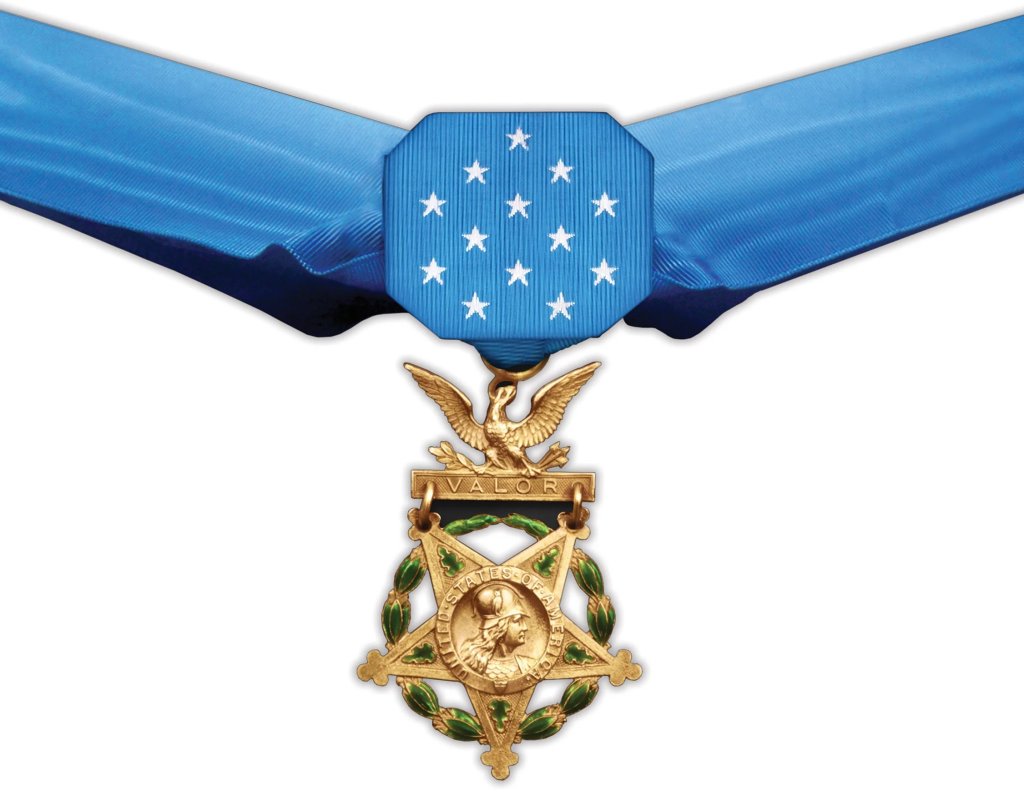
Medal of Honor: Louis J. Sebille - Korean War, August 5, 1950
When his wingman urged him to pull back, Sebille calmly replied over the radio: “I know what I’m doing.â€
August 5, 2025

 SEBILLE, LOUIS J.
Rank and Organization: Major, United States Air Force
Unit: 67th Fighter-Bomber Squadron, 18th Fighter-Bomber Group, 5th Air Force
Conflict: Korean War
Date of Action: August 5, 1950
Location: Near Hanchang, Korea
Entered Service At: Chicago, Illinois
Born: November 21, 1915, Harbor Beach, Michigan
Medal of Honor Recipient - Korean War
67th Fighter-Bomber Squadron, 18th Fighter-Bomber Group, 5th Air Force
Date of Action: August 5, 1950 | Near Hanchang, Korea
A New Kind of War, a Familiar Kind of Heroism
The Korean War had erupted only weeks earlier, and American forces—caught off guard and under-equipped—were struggling to halt the momentum of a determined North Korean invasion. Amid the chaos, U.S. airpower played a crucial role in buying time for ground troops. Among those aviators was Major Louis J. Sebille, a veteran of World War II and the first U.S. Air Force officer to be awarded the Medal of Honor during the Korean conflict.
But Sebille’s story would not be one of survival or return. His would be a tale of deliberate sacrifice—a conscious decision to give everything in the hope that others might live.
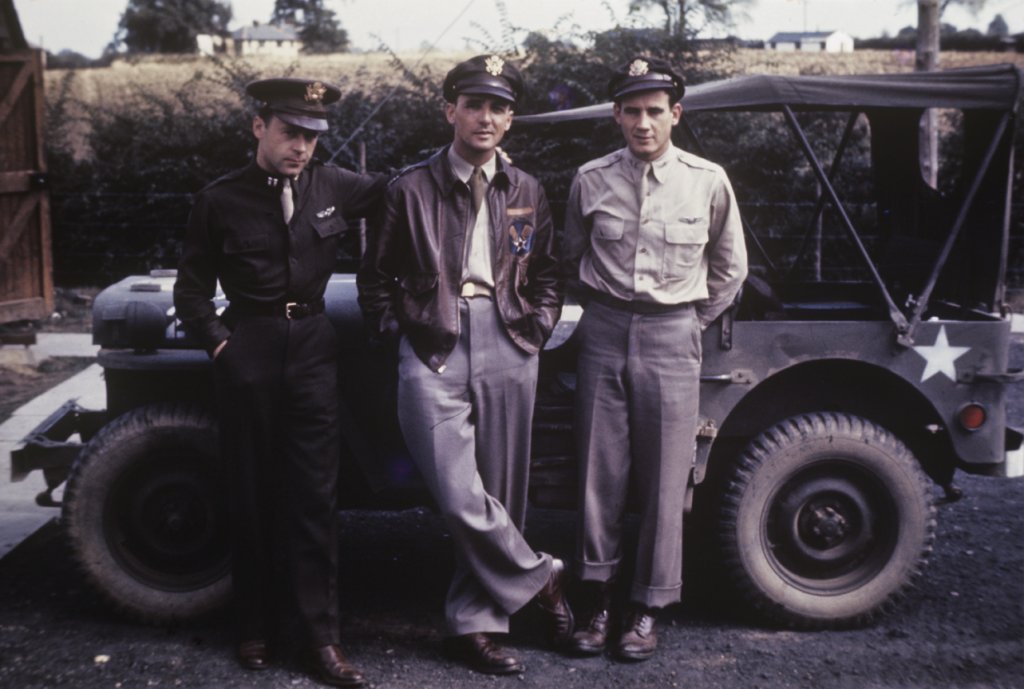
The Mission: An Enemy Closing In
On August 5, 1950, Major Sebille led a flight of F-51D Mustangs—piston-driven fighter-bombers left over from World War II—on a mission near Hanchang, a critical sector in South Korea. Intelligence had reported a heavy buildup of North Korean forces: artillery, armor, and infantry poised to strike the vulnerable U.N. lines.
Sebille’s mission was straightforward, but dangerous: locate and destroy those enemy concentrations before they could break through.
As he approached the target area, his Mustang was raked by antiaircraft fire. Shells punched through the fuselage. Fuel lines ruptured. The aircraft began leaking gasoline and losing power. A return flight was rapidly becoming impossible.
“I’m Going Inâ€
Most pilots, faced with such damage, would seek to bail out or crash-land—especially when still in friendly territory. But Louis Sebille was not most pilots.
When his wingman urged him to pull back, Sebille calmly replied over the radio:
“I know what I’m doing.â€
With that, he banked into a second attack run, now flying a crippled, leaking, burning aircraft into the teeth of enemy fire.
Then, in a final act of defiance and duty, he dove his aircraft directly into the center of the enemy position—a deadly embrace that killed him instantly and devastated the forces below.
The explosion destroyed his plane and sent enemy artillery and vehicles up in flames.
A Legacy Forged in Fire
Major Sebille’s decision was not rash. It was not the panicked response of a doomed pilot. It was, in every way, a calculated, conscious act of sacrifice. In the brief seconds he had to choose between survival and duty, Sebille chose to fight until the last possible breath—turning his aircraft into a final, devastating weapon against an enemy that threatened his brothers on the ground.
For this, he was posthumously awarded the Medal of Honor, becoming the first U.S. Air Force pilot so honored since the branch became independent in 1947.
Medal of Honor Citation
Major Louis J. Sebille
Born: November 21, 1915, Harbor Beach, Michigan
Entered Service At: Chicago, Illinois
General Order No.: 17, February 1, 1951
Citation:
Major Sebille distinguished himself by conspicuous gallantry and intrepidity at the risk of his life, above and beyond the call of duty.
During an attack on a camouflaged area harboring enemy troops, artillery, and armored vehicles, Major Sebille’s F-51 aircraft was severely damaged by antiaircraft fire. Although fully cognizant of the short period he could remain airborne, he deliberately ignored the possibility of survival by abandoning the aircraft or by crash landing, and continued his attack against the enemy forces threatening the security of friendly ground troops.
In his determination to inflict maximum damage upon the enemy, Major Sebille again exposed himself to the intense fire of enemy gun batteries and dived on the target to his death.
The superior leadership, daring, and selfless devotion to duty which he displayed in the execution of an extremely dangerous mission were an inspiration to both his subordinates and superiors and reflect the highest credit upon himself, the U.S. Air Force, and the armed forces of the United Nations.