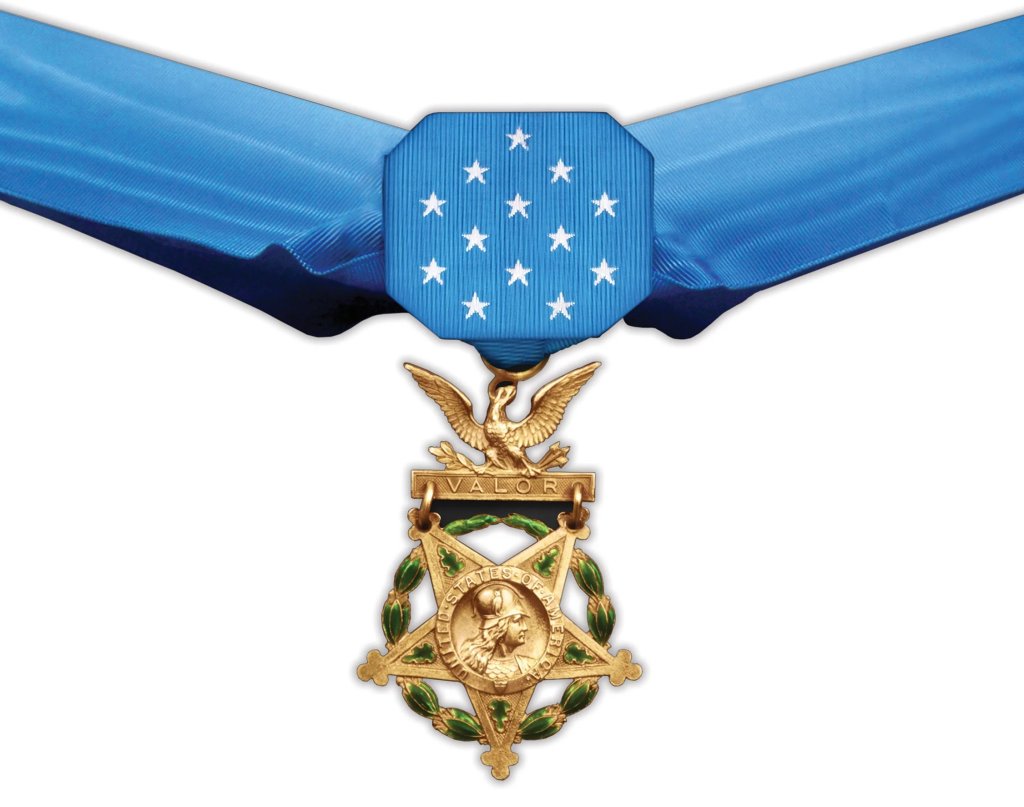
Medal of Honor: Frederick W. Castle - World War II - Air Mission - Germany - December 1944
On Christmas Eve, high above enemy territory, a general chose duty over survival. He remained at the controls of a burning bomber so his crew could live.
December 26, 2025

 Name: Frederick W. Castle
Rank: Brigadier General
Organization: U.S. Army Air Corps
Position: Assistant Commander, 4th Bomber Wing
Place: Germany
Entered Service At: Mountain Lake, New Jersey
Born: 14 October 1908 - Manila, Philippine Islands
Summary of Action
On 24 December 1944, Brigadier General Frederick W. Castle served as air commander and leader of a massive Allied strike force of more than 2,000 heavy bombers attacking German airfields. While en route to the target, the failure of one engine forced him to relinquish his position at the head of the formation.
Refusing to jettison his bomb load for fear of endangering friendly troops below, General Castle's unescorted B-17 Flying Fortress lagged behind and was savagely attacked by enemy fighters. Cannon fire tore into the aircraft, ignited fires in multiple engines, damaged the oxygen system, and wounded members of the crew. As the aircraft became fatally damaged and explosion imminent, General Castle ordered the crew to bail out.
With complete disregard for his own safety, he remained alone at the controls to ensure every crewmember had time to escape. Moments later, additional enemy fire detonated fuel tanks in the wing, sending the bomber plunging earthward. General Castle perished in the crash, having given his life so others might live.
Medal of Honor Citation