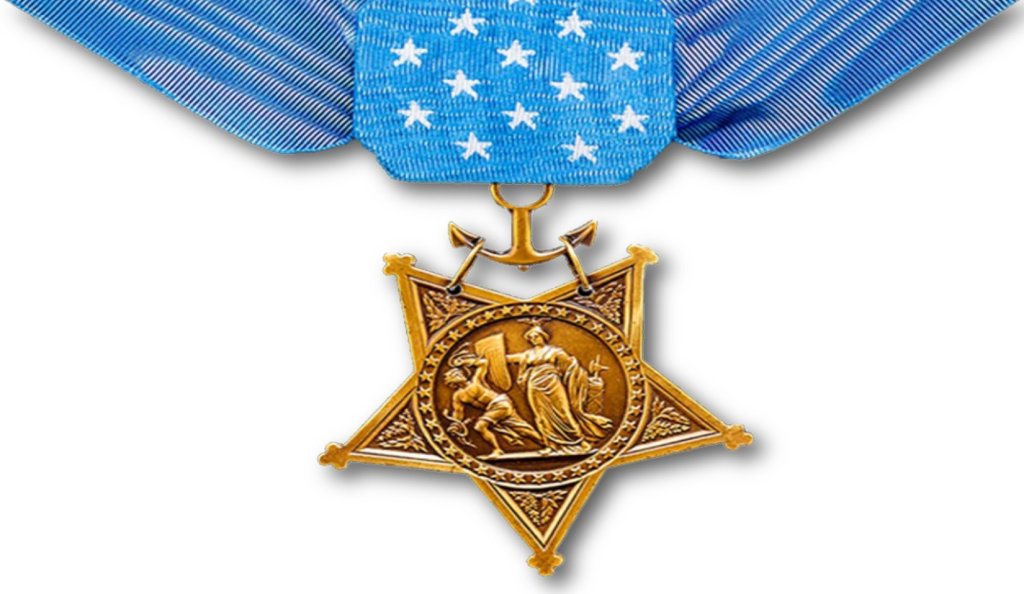
Medal of Honor: Eugene Bennett Fluckey - World War II - December 1944 to February 1945
In mined, uncharted coastal waters, one submarine commander drove straight into the heart of a guarded enemy anchorage—crippling a fleet and escaping through sheer nerve and mastery.
December 20, 2025

 Name: Eugene Bennett Fluckey
Rank: Commander
Organization: U.S. Navy
Command: Commanding Officer, U.S.S. Barb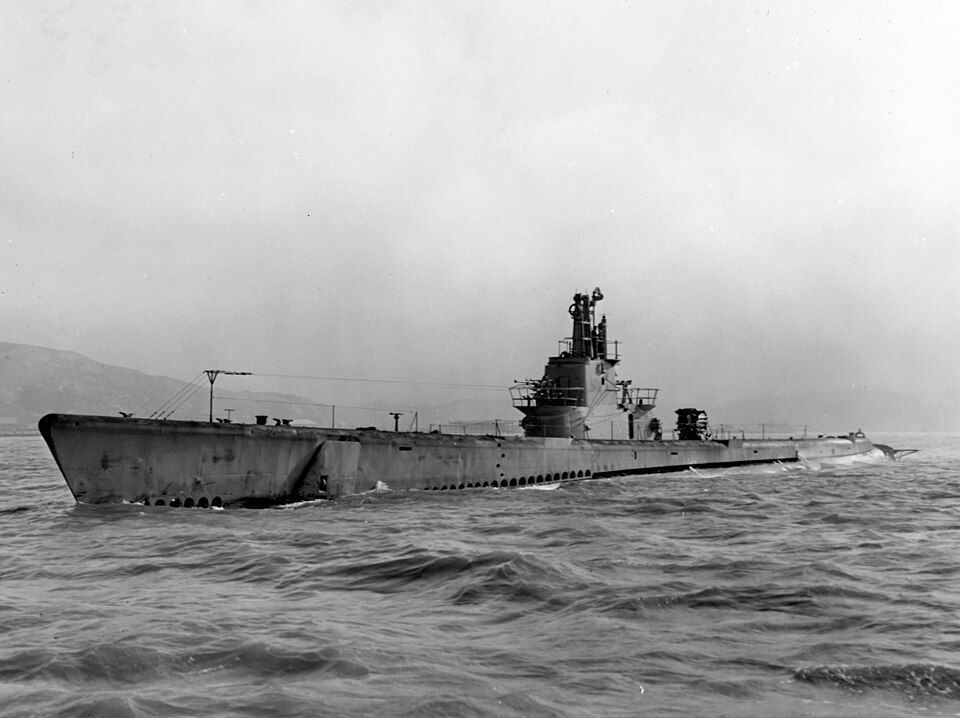
Place and Dates: Along the coast of China - 19 December 1944 to 15 February 1945
Entered Service At: Illinois
Born: 5 October 1913 - Washington, D.C.
Departed: Survived
Accredited To: Illinois
Other Awards: Navy Cross with three Gold Stars
Summary of Action
Between December 19, 1944, and February 15, 1945, Commander Eugene B. Fluckey commanded the U.S.S. Barb during her eleventh war patrol along the heavily defended east coast of China. Throughout the patrol, he demonstrated exceptional tactical brilliance, daring, and aggressive leadership.
On January 8, 1945, Barb engaged enemy shipping during a running two-hour night surface battle, sinking a large Japanese ammunition ship and damaging additional enemy vessels. Later in the patrol, on January 25, Fluckey made an extraordinary deduction that led him to locate a concentration of more than thirty enemy ships anchored deep inside Mamkwan Harbor in the lower reaches of the Nankuan Chiang.
Fully aware that any escape would require running for more than an hour at full speed through uncharted, mined, and rock-obstructed waters, Fluckey nevertheless ordered an immediate attack. Penetrating the enemy screen in water barely deep enough to submerge, he launched torpedoes at close range into the packed anchorage.
Using both forward and stern tubes, Barb struck six major targets with eight direct hits, detonating a large ammunition ship and triggering devastating secondary explosions that inflicted catastrophic damage across the harbor. Fluckey then navigated his submarine at high speed through the hazardous coastal waters and brought her safely clear.
Four days later, he added another large Japanese freighter to Barb's tally, completing one of the most audacious and destructive submarine patrols of the war. His leadership and boldness set a benchmark for undersea warfare and inflicted severe losses on the enemy at a critical stage of the Pacific campaign.
Medal of Honor Citation