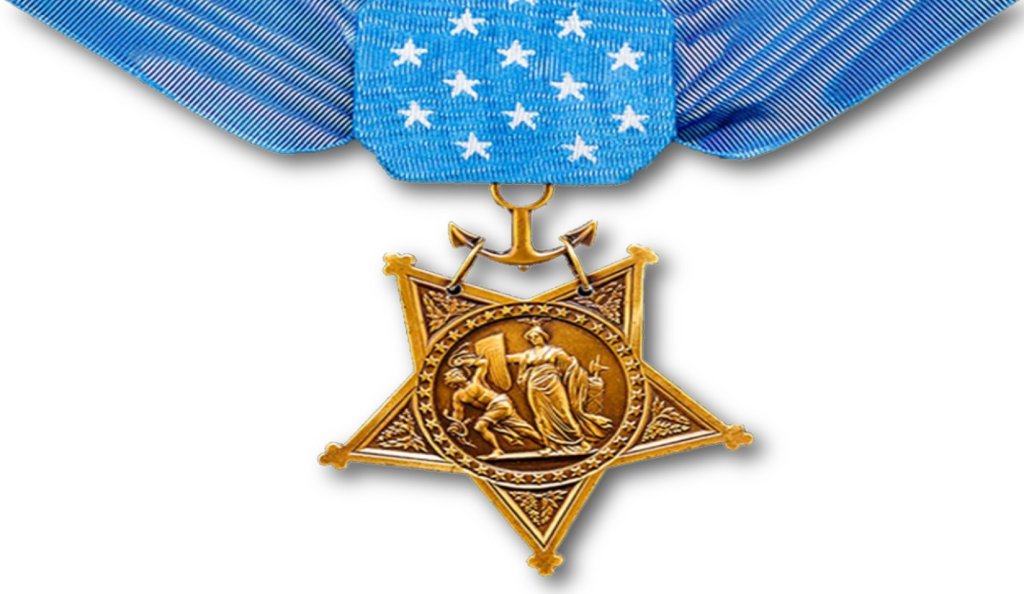
Medal of Honor: Elmer "Royce" Williams – Korean War – November 18, 1952
Over North Korea, a young Navy lieutenant launched on what seemed like a routine patrol. Minutes later, he was alone against MiG-15s threatening the fleet — and ended the fight with three enemy jets destroyed and his own aircraft shot to pieces.
July 15, 2026

 Name: Elmer Royce Williams
Rank: Lieutenant (Highest Rank: Captain)
Branch: United States Navy
War: Korean War
Unit: Fighter Squadron 781 (VF-781), Task Force 77, USS Oriskany (CVA-34)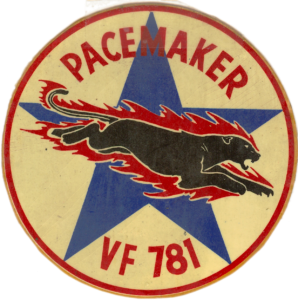
Date of Action: November 18, 1952
Location: Northeastern Coastal Waters, Korea
Summary of Action
By late 1952, the Korean War had become as much an air war as a ground conflict. American naval aviators routinely flew combat air patrols from aircraft carriers operating off the Korean coast, protecting the fleet from enemy aircraft and maintaining control of the skies.
On November 18, 1952, Lieutenant Royce Williams launched from the flight deck of USS Oriskany leading a division of three jet fighters assigned to Fighter Squadron 781.
Their mission was straightforward: defend Task Force 77 from any aerial threat approaching the carrier force.
Soon after arriving on station, enemy MiG-15 fighters appeared over the northeastern coastal waters of North Korea.
The MiG-15 was one of the most formidable fighter aircraft of the era—fast, maneuverable, and heavily armed. Designed specifically to challenge American jet fighters, it had already earned a fearsome reputation during the war.
Without hesitation, Lieutenant Williams maneuvered his aircraft to intercept the approaching enemy force before it could threaten the American fleet below.
The enemy's initial attack was successfully thwarted, but the engagement was only beginning.
Closing aggressively with the hostile aircraft, Williams made two firing passes against one MiG-15, sending it spiraling into the sea.
He then shifted his attention to a second enemy fighter, damaging it so severely that smoke poured from the aircraft as it broke away from the engagement.
The remaining enemy fighters immediately concentrated their efforts on the lone American pilot.
During the fierce dogfight, Williams' aircraft suffered a direct hit from enemy fire. Critical systems were damaged, and his aircraft became increasingly difficult to control.
Despite the damage and the overwhelming odds against him, Lieutenant Williams refused to disengage until he had ensured the safety of the carrier task force and continued directing the aerial battle while simultaneously fighting for his own survival.
The engagement continued in one of the longest and most remarkable jet fighter dogfights of the Korean War.
By the time the battle was over, Lieutenant Williams had destroyed three enemy MiG-15s and severely damaged a fourth.
With his aircraft badly damaged and nearly uncontrollable, he finally broke contact by using cloud cover and began the perilous flight back to USS Oriskany.
Landing a damaged fighter jet aboard an aircraft carrier is difficult under the best circumstances. Doing so after sustaining significant battle damage was nothing short of miraculous.
Yet Lieutenant Williams successfully brought his crippled aircraft safely aboard the carrier.
His actions undoubtedly prevented the enemy fighters from reaching Task Force 77 and saved the lives of hundreds of American sailors serving aboard the carrier force.
Remarkably, much of the true story remained classified for decades because of Cold War sensitivities surrounding the identity of the enemy pilots involved in the engagement. Only years later would the full extent of Royce Williams' heroism become publicly known.
Today, his Medal of Honor stands as recognition not only of extraordinary aerial combat skill, but of a naval aviator who willingly flew into overwhelming odds to protect his fellow Americans.
Medal of Honor Citation
ELMER ROYCE WILLIAMS
Rank and organization: Lieutenant, United States Navy.
Unit: Fighter Squadron 781 (VF-781), Task Force 77, USS Oriskany (CVA-34).
Place and date: Northeastern coastal waters, Korea, November 18, 1952.
Citation:
For conspicuous gallantry and intrepidity at the risk of his life above and beyond the call of duty on 18 November 1952 while leading a division of three jet fighters attached to Fighter Squadron SEVEN HUNDRED EIGHTY-ONE (VF-781) and embarked on the USS ORISKANY.
While flying a combat patrol mission over the northeastern coastal waters of enemy-held North Korea, Lieutenant Williams demonstrated extraordinary heroism by intercepting a superior force of attacking enemy MiG-15 fighters in order to protect the ships of Task Force 77.
After thwarting the enemy's initial attack, he maneuvered his aircraft to make two firing passes on one MiG, which then spiraled into the sea. He inflicted heavy damage to a second MiG-15, which started smoking badly and retired from the fight.
When his own aircraft was severely damaged by a direct hit from one of the remaining enemy MiG-15s, Lieutenant Williams evaded further enemy attack while continuing to direct the dogfight. He eventually found cover in a cloud bank, broke off the engagement, and miraculously landed his nearly uncontrollable aircraft on the USS ORISKANY.
His exceptional airmanship, coupled with his complete disregard for his own personal safety, resulted in the destruction of three enemy MiG-15s and severe damage to a fourth, and undoubtedly saved the lives of hundreds of Task Force 77 sailors.
By his undaunted courage, bold initiative, and total devotion to duty, Lieutenant Williams reflected great credit upon himself and upheld the highest traditions of the United States Naval Service.
The ghosts of the battlefield are counting on us to remember them. Help preserve their stories.