MOH

Medal of Honor: Elmer Charles Bigelow – U.S. Naval Reserve – World War II

Below decks, where heat and smoke choked the air, one sailor chose the flames. His courage saved a ship.

February 17, 2026

undefinedName: Elmer Charles Bigelow
Rank: Watertender First Class
Branch: U.S. Naval Reserve
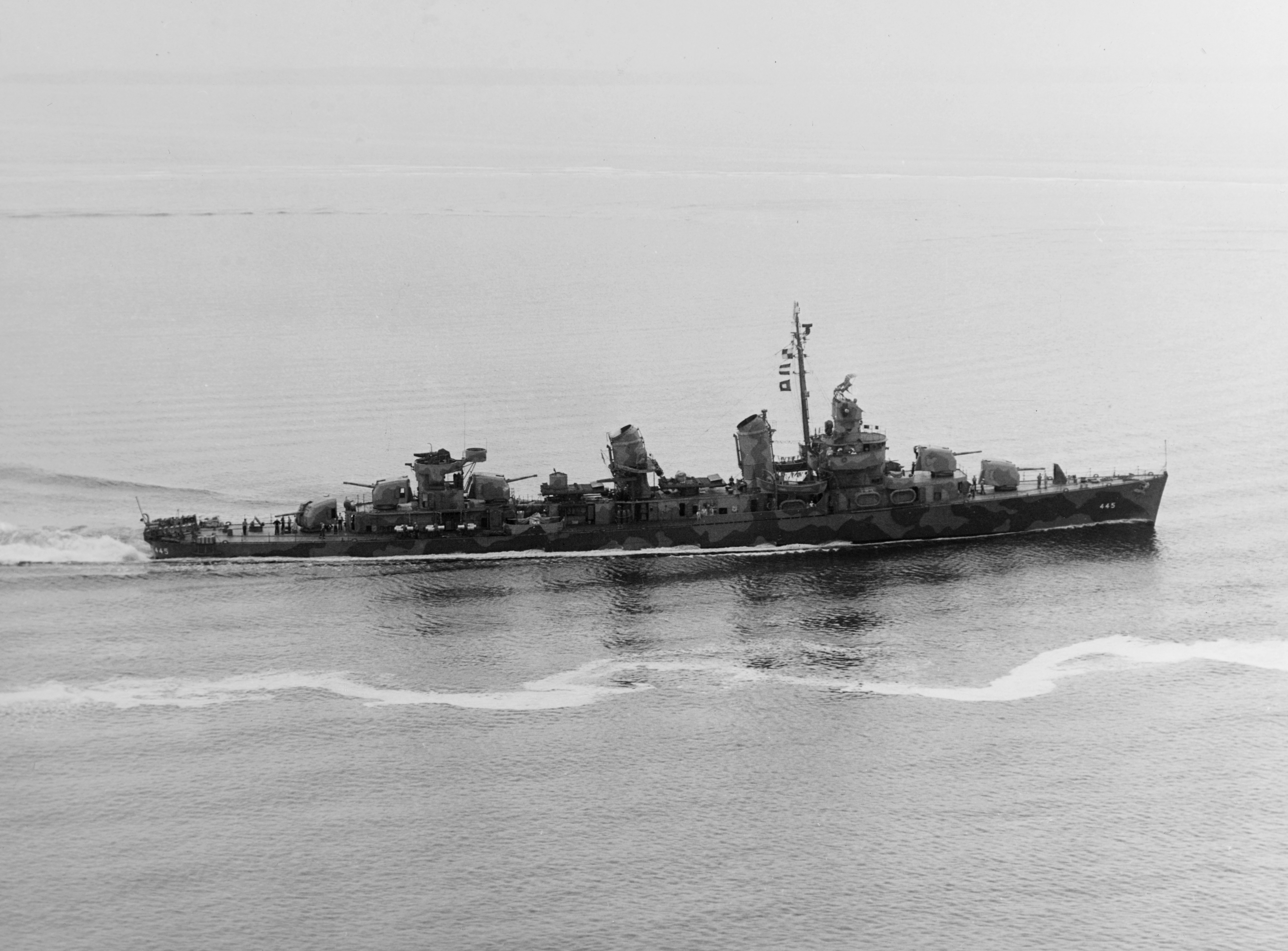
Unit: U.S.S. Fletcher
Place: Off Corregidor Island, Philippine Islands
Born: 12 July 1920, Hebron, Illinois
Accredited To: Illinois

Summary of Action

On 14 February 1945, during action against Japanese forces off Corregidor Island, the destroyer U.S.S. Fletcher was struck by an enemy shell. The projectile exploded into fragments that penetrated the No. 1 gun magazine, igniting several powder cases and threatening a catastrophic magazine explosion.

Watertender First Class Elmer C. Bigelow was topside when the shell struck. Acting instantly, he seized fire extinguishers and rushed below decks. Without pausing to don rescue breathing apparatus—precious seconds he knew the ship could not spare—he plunged through blinding, choking smoke into the blazing magazine compartment.

Working in searing heat and acrid powder fumes that scorched his lungs with every breath, Bigelow extinguished the fires and cooled the powder cases and bulkheads. His rapid and instinctive actions prevented a magazine explosion that would almost certainly have destroyed the Fletcher under the guns of Corregidor.

Though mortally injured by smoke and fumes, he succumbed the following day. His selfless valor saved his ship and her crew.

Medal of Honor Citation

BIGELOW, ELMER CHARLES

Rank and organization: Watertender First Class, U.S. Naval Reserve.
Born: 12 July 1920, Hebron, Ill.
Accredited to: Illinois.

Citation:
For conspicuous gallantry and intrepidity at the risk of his life above and beyond the call of duty while serving on board the U.S.S. Fletcher during action against enemy Japanese forces off Corregidor Island in the Philippines, 14 February 1945. Standing topside when an enemy shell struck the Fletcher, Bigelow, acting instantly as the deadly projectile exploded into fragments which penetrated the No. 1 gun magazine and set fire to several powder cases, picked up a pair of fire extinguishers and rushed below in a resolute attempt to quell the raging flames. Refusing to waste the precious time required to don rescue-breathing apparatus, he plunged through the blinding smoke billowing out of the magazine hatch and dropped into the blazing compartment. Despite the acrid, burning powder smoke which seared his lungs with every agonizing breath, he worked rapidly and with instinctive sureness and succeeded in quickly extinguishing the fires and in cooling the cases and bulkheads, thereby preventing further damage to the stricken ship. Although he succumbed to his injuries on the following day, Bigelow, by his dauntless valor, unfaltering skill and prompt action in the critical emergency, had averted a magazine explosion which undoubtedly would have left his ship wallowing at the mercy of the furiously pounding Japanese guns on Corregidor, and his heroic spirit of self-sacrifice in the face of almost certain death enhanced and sustained the highest traditions of the U.S. Naval Service. He gallantly gave his life in the service of his country.