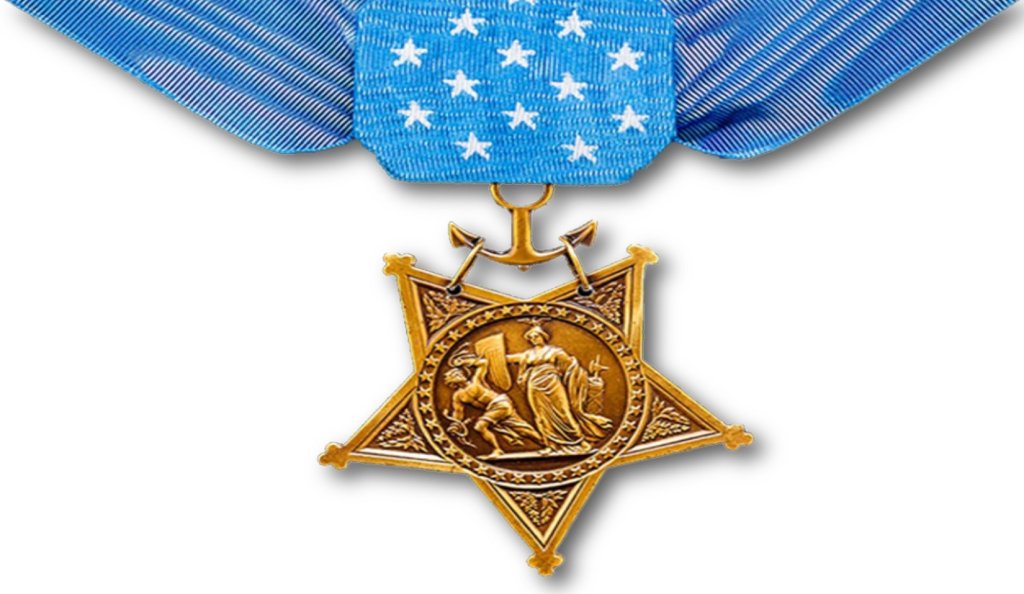
Medal of Honor: Donald Gilbert Cook - Vietnam War - 1964-1967
For three years in Viet Cong captivity, one Marine officer refused special treatment, gave his medicine and food to weaker prisoners, upheld the Code of Conduct without compromise, and knowingly accepted death rather than abandon his men.
December 9, 2025

 Name: Donald Gilbert Cook
Rank: Colonel (then Captain)
Organization: U.S. Marine Corps
Unit: Prisoner of War, Viet Cong captivity
Place and Date: Republic of Vietnam - 31 December 1964 to 8 December 1967
Entered Service At: Brooklyn, New York
Born: August 9, 1934 - Brooklyn, New York
Departed: Presumed died in captivity, December 8, 1967
Accredited To: New York
Summary of Action
Captured by Viet Cong forces on December 31, 1964, Captain Donald G. Cook entered captivity with no illusions about the hardships ahead. But from the earliest days, he established himself as the senior prisoner—not by rank, but by moral authority. Despite knowing that it would draw harsher punishment from his captors, he assumed responsibility for the welfare, morale, and survival of the men held with him.
Cook divided food equally, turned over his medicine to those in worse condition, and tended to the sick while fevered and malnourished himself. He exposed himself to contagious diseases to care for dying comrades. He refused to accept special privileges, rejected propaganda efforts, and never once compromised the Code of Conduct—fully aware that every refusal reduced his chances of survival.
When the Viet Cong attempted to separate him for favored treatment or early release, he declined, choosing to remain with the weakest prisoners. His resolve frustrated his captors and inspired those around him, who drew strength from his example even as his own health deteriorated.
Colonel Cook's final months were spent in extreme deprivation. Yet he continued to encourage others, share what little he had, and uphold the ideals of the Marine Corps to his last breath. He died as he had lived in captivity: refusing to break, refusing to abandon his comrades, and refusing to forsake the honor of his service.
He remains the only Marine Corps officer captured in Vietnam to receive the Medal of Honor.
Medal of Honor Citation