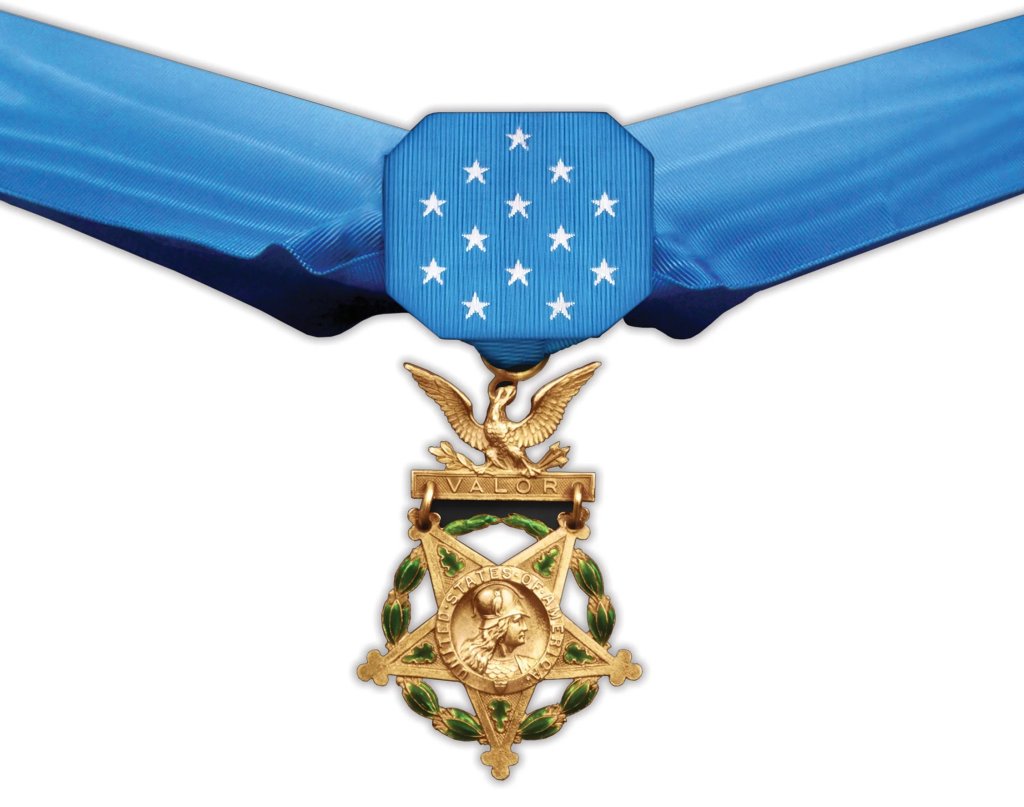
Medal of Honor: Bruce P. Crandall - Vietnam War - November 14, 1965
to the Ia Drang Valley — where helicopters were shot from the sky and soldiers were nearly overrun — one unarmed Huey kept coming back. Major Bruce P. Crandall flew into hell 22 times so others could live.
November 14, 2025

 Name: Bruce Perry Crandall
Rank: Major
Organization: U.S. Army
Unit: Company A, 229th Assault Helicopter Battalion, 1st Cavalry Division (Airmobile)
Place and Date: Ia Drang Valley, Republic of Vietnam - 14 November 1965
Entered Service At: Not listed (Washington state native)
Born: 1933 - Olympia, Washington
Departed: Living
Accredited to: Washington
Summary of Action
When Landing Zone X-Ray collapsed into chaos under heavy North Vietnamese fire, Major Bruce P. “Snake†Crandall was leading a sixteen-ship helicopter lift delivering troops of the 7th Cavalry into the heart of the Ia Drang Valley. By the fifth lift, enemy fire was so intense that the second wave of aircraft was ordered to abort. Crandall's unarmed Huey was riddled with fire — and yet he refused to stop.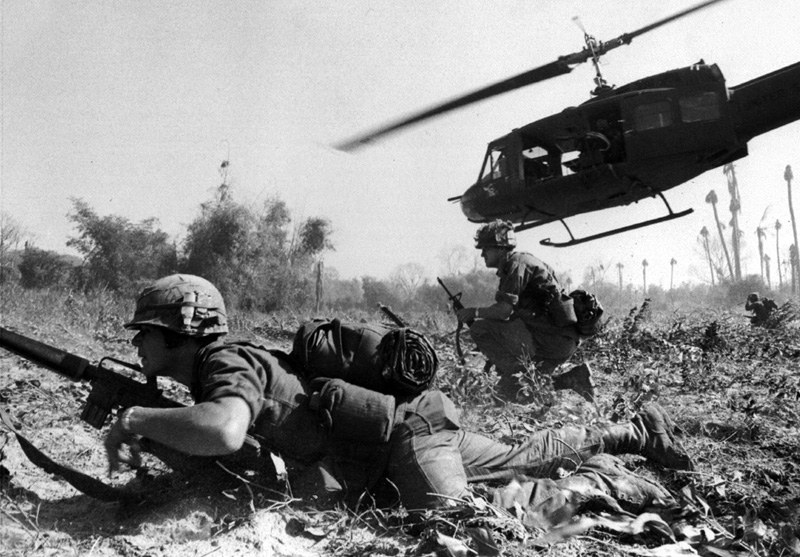
Realizing the battalion on the ground was running out of ammunition, Crandall made a life-or-death decision: he would keep flying. Against orders, he shifted his base to a closer artillery firebase and immediately gathered volunteers to attempt the impossible — bringing supplies into a landing zone the enemy had zeroed in with machine guns, mortars, and recoilless rifles.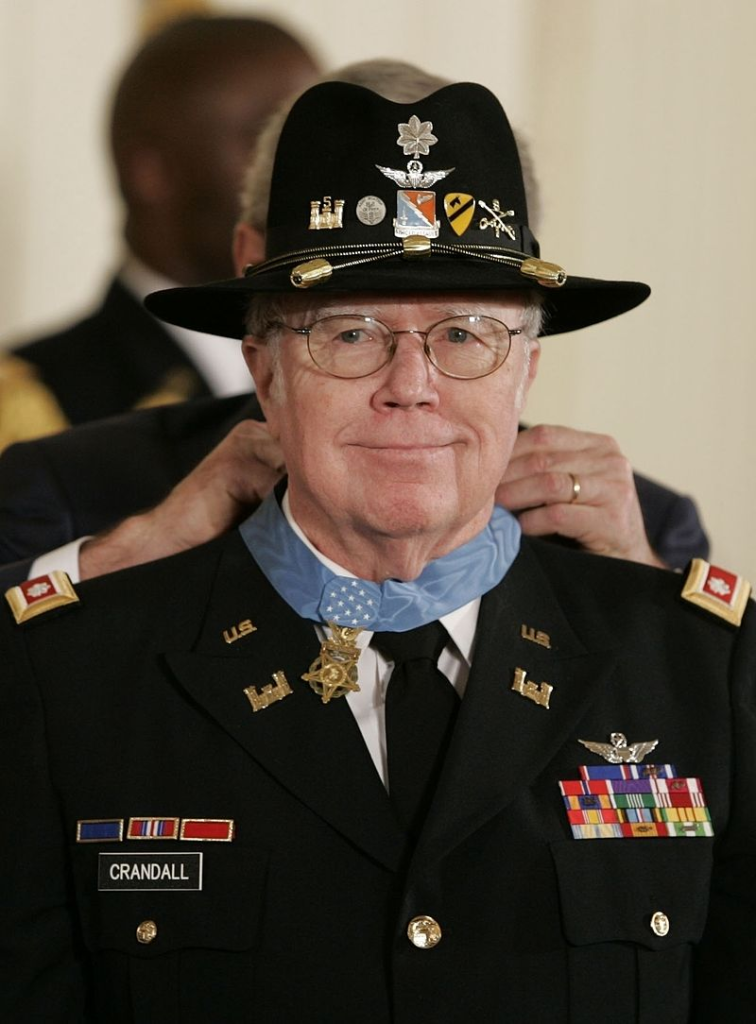
With complete disregard for his own survival, Crandall flew into X-Ray again and again, landing in a maelstrom of gunfire to unload ammunition and evacuate the wounded. Each time he landed, other pilots — inspired by his defiance — followed him in. Each time he lifted off, his Huey carried men who would have died without him.
By nightfall, Major Crandall had flown 22 missions, nearly all under direct fire. His courage kept the 1st Battalion, 7th Cavalry alive — and forever linked his name to the legend of Ia Drang.
Medal of Honor Citation
As Major Crandall flew back to Plei Me, his base of operations, he determined that the ground commander of the besieged infantry battalion desperately needed more ammunition. Major Crandall then decided to adjust his base of operations to Artillery Firebase Falcon in order to shorten the flight distance to deliver ammunition and evacuate wounded soldiers. While medical evacuation was not his mission, he immediately sought volunteers and with complete disregard for his own personal safety, led the two aircraft to Landing Zone X-Ray.
Despite the fact that the landing zone was still under relentless enemy fire, Major Crandall landed and proceeded to supervise the loading of seriously wounded soldiers aboard his aircraft. Major Crandall's voluntary decision to land under the most extreme fire instilled in the other pilots the will and spirit to continue to land their own aircraft, and in the ground forces the realization that they would be resupplied and that friendly wounded would be promptly evacuated. This greatly enhanced morale and the will to fight at a critical time.
After his first medical evacuation, Major Crandall continued to fly into and out of the landing zone throughout the day and into the evening. That day he completed a total of 22 flights, most under intense enemy fire, retiring from the battlefield only after all possible service had been rendered to the infantry battalion. His actions provided critical resupply of ammunition and evacuation of the wounded.
Major Crandall's daring acts of bravery and courage in the face of an overwhelming and determined enemy are in keeping with the highest traditions of the military service and reflect great credit upon himself, his unit, and the United States Army.