Knit for Defense The Threads That Connected a Nation at War
A WWII knitting campaign reveals how handmade gifts connected civilians and servicemembers through sacrifice, compassion, and shared purpose.
July 16, 2026

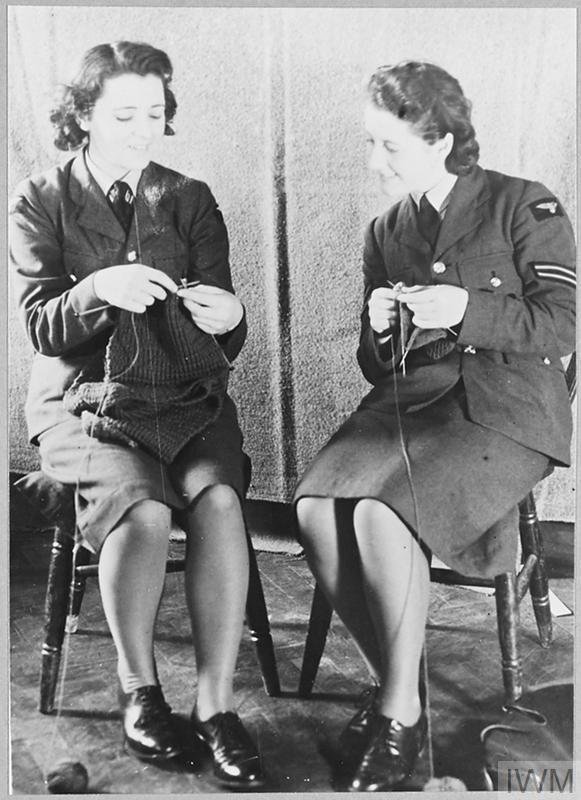
 When we think about the American effort during World War II, our minds often turn to battlefields, ships crossing oceans, aircraft filling the skies, and the men and women who served in uniform. Those stories are essential, but the war was also fought and supported in places far from the front lines. Across America, ordinary people found ways to contribute, and sometimes those contributions began with something as simple as a pair of knitting needles.
The “Knit for Defense” campaign represents one of the many ways the home front supported those serving overseas. Women and volunteers across the country created handmade items such as sweaters, scarves, gloves, and socks for servicemembers facing the hardships of war far from home. These objects provided warmth and comfort, but their true value went far beyond their practical purpose.
They carried a message.
A handmade item represented time, effort, and care from someone who wanted a servicemember to know they were remembered. Unlike something produced on an assembly line, a knitted item carried the personal touch of the person who created it. Every stitch represented a moment when someone at home thought about the individual who might eventually receive it.
For many who knitted during the war, the experience was deeply personal. As they worked, they may have imagined the person who would wear it as their own son, husband, brother, or loved one serving thousands of miles away. Each row of stitches may have carried a little piece of hope, a quiet reminder that someone they cared about was not forgotten.
But even when the recipient was a complete stranger, the meaning remained. The person knitting may never know the name of the servicemember who received their work or hear the story of how it was used. Yet they knew they were doing something. They were helping. They were part of something larger than themselves.
That feeling mattered.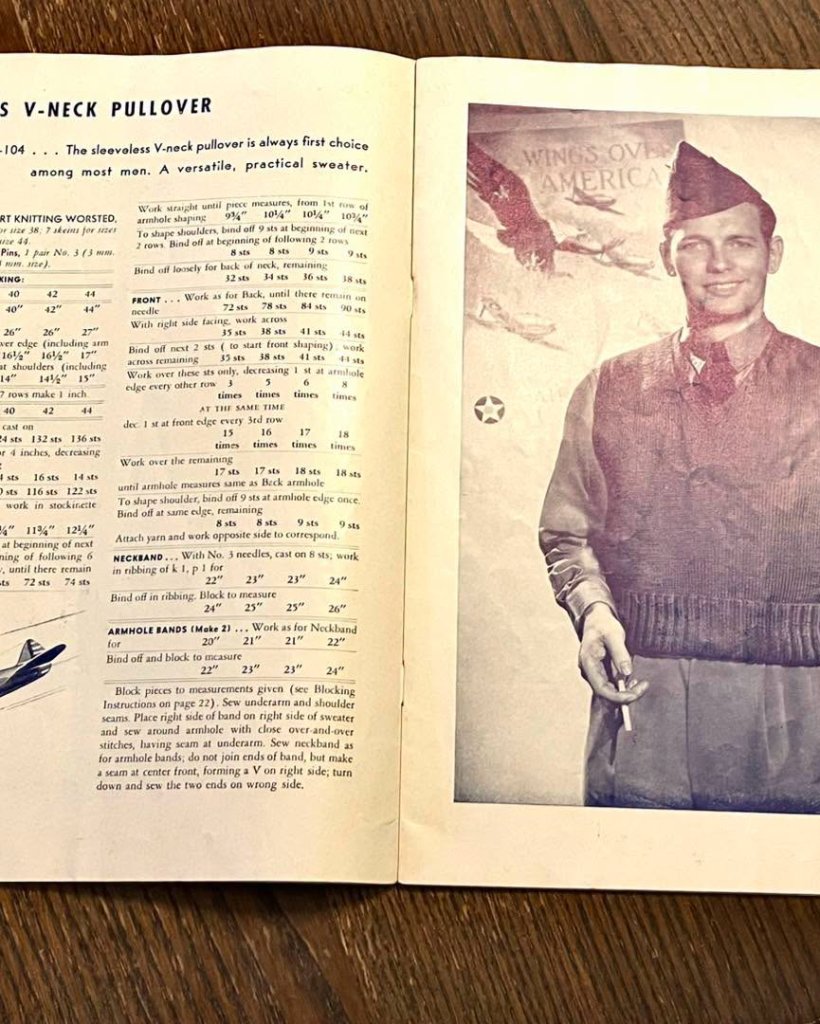
During wartime, many civilians experienced uncertainty and helplessness. They watched loved ones leave, listened to reports from distant battlefields, waited for letters, and worried about what the future would bring. They could not all serve overseas, but they wanted to contribute. Knitting transformed concern into action. It gave people a way to participate in the war effort and feel connected to those who were far away.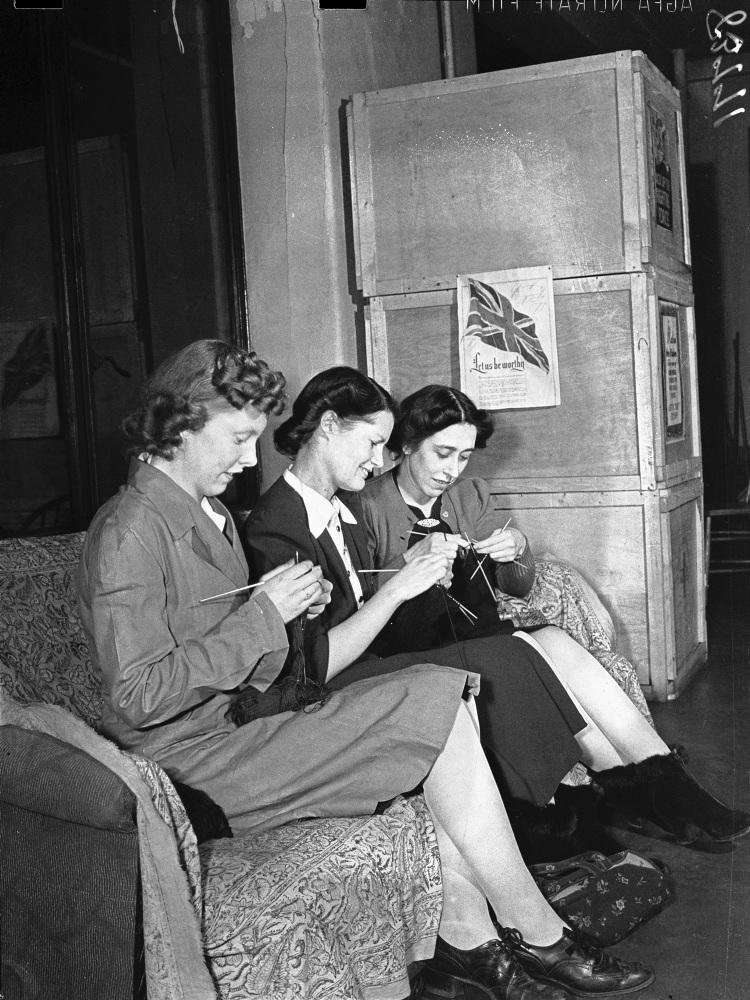
For the servicemember who received one of these handmade items, the impact was equally meaningful. A sweater or pair of socks was not simply another piece of clothing. It was a reminder that someone cared. Somewhere back home, a person had taken the time to create something with their own hands and send a message of comfort across the distance.
The recipient may never have known the name of the person who knitted it. The person who knitted it may never have known exactly where their item ended up. Yet two strangers were connected through a simple act of kindness.
That is what makes these artifacts so powerful.
A knitted item may seem small when compared with the enormous machines of war—ships, tanks, aircraft, and weapons—but history is often shaped by these personal acts of compassion. They reveal the human side of conflict, the side found not only in battles but in homes, community centers, and quiet moments spent helping someone who was far away.
The “Knit for Defense” campaign reminds us that service takes many forms. Some people served by carrying weapons. Others served by caring for the wounded, building supplies, writing letters, working in factories, or creating something with their own hands.
Every stitch carried a message.
 You are remembered.
You are supported.
You are not alone.
At Ghosts of the Battlefield, we believe that history is not only found in the weapons that were carried, the battles that were fought, or the leaders whose names appear in history books. History is also found in the personal objects that connect us to the people who lived through those moments.
A knitted scarf, a pair of socks, or a handmade sweater may seem small when compared to the scale of a world war. But these are the objects that reveal the heart of history. They show us the compassion, sacrifice, and humanity that existed alongside conflict.
The mission of Ghosts of the Battlefield is to preserve and share the stories behind the artifacts—to remember not only what happened, but who was affected and why it mattered. Every object has a story, and sometimes the smallest items tell the most powerful ones.
The “Knit for Defense” items remind us that service was never limited to the battlefield. It happened in homes, communities, and quiet moments of sacrifice. They represent millions of people who found a way to contribute, to care, and to remain connected during one of history’s most difficult times.
Because history is not only measured by the size of an artifact or the importance of a name attached to it. History is measured by the human connections it preserves.
And sometimes, a simple thread can tell a story that lasts for generations.