 Before the trenches, before the mud and wire, there was the image of war.
Clean uniforms. Polished leather. Brass shining in the sun.
The Pickelhaube, the spiked helmet of Imperial Germany, came to symbolize that image. Introduced in the 19th century and worn into the early years of the First World War, it reflected a military culture rooted in tradition, discipline, and visible authority. The spike itself—distinctive and unmistakable—was not simply decorative. It projected identity. It marked the soldier as part of a powerful and ordered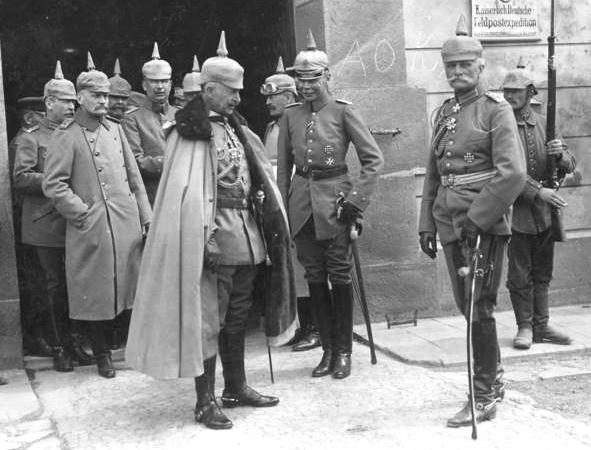 system.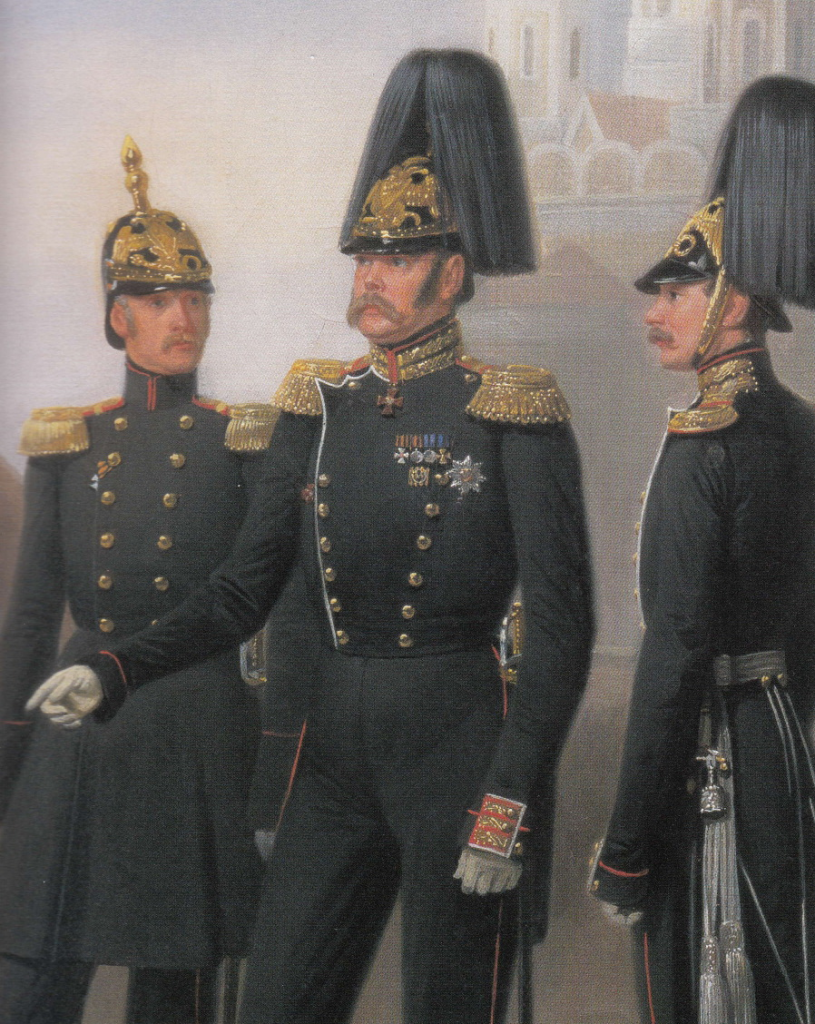
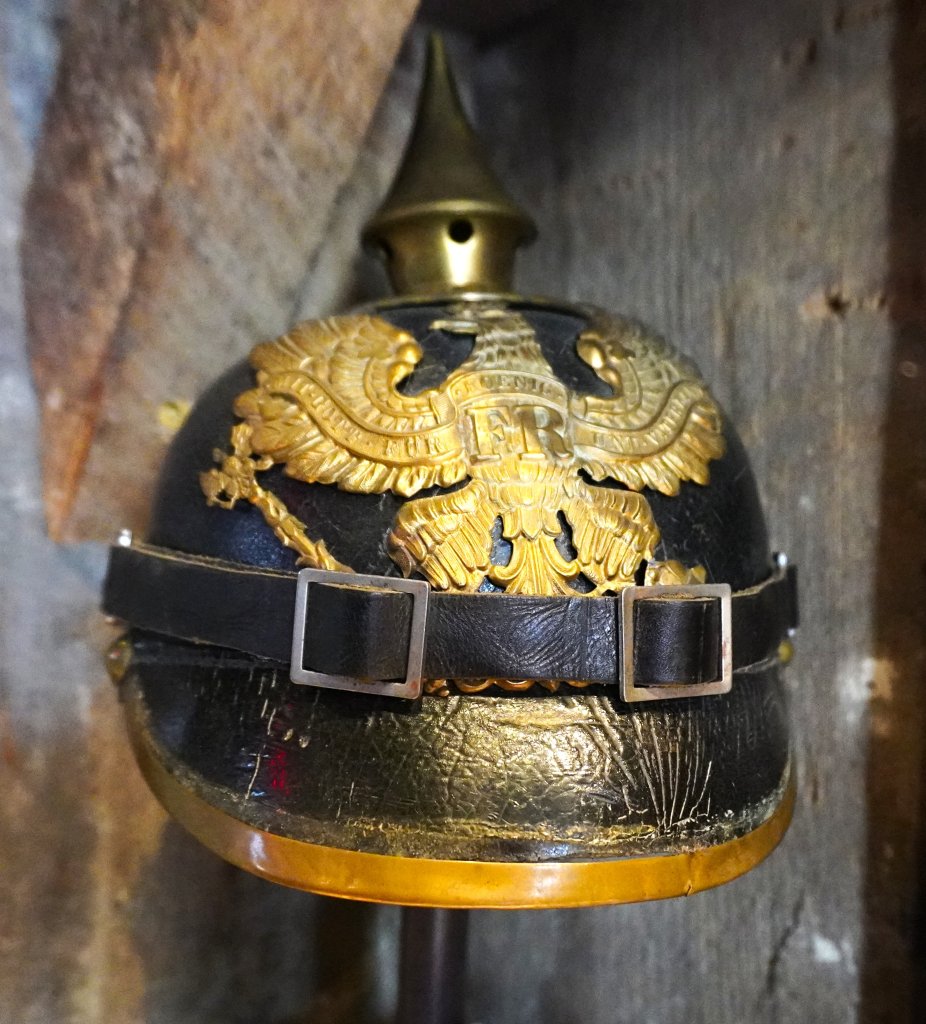
This example, with its polished leather body and ornate front plate bearing the imperial eagle, represents that world. A world where appearance mattered, where uniformity conveyed strength, and where war was still, in many ways, imagined through the lens of earlier conflicts.
But the war that came in 1914 would not match that image.
As European armies mobilized, soldiers marched to war wearing helmets like this—highly visible, reflective, and rooted in a past that had not yet confronted industrialized combat. Within months, the realities of modern warfare began to reshape everything. Artillery, machine guns, and trench fighting rendered bright, decorative equipment not only impractical, but dangerous.
The Pickelhaube quickly became a liability.
Its leather construction offered little protection against shrapnel. Its polished surfaces made it stand out in environments where concealment became essential. Soldiers began covering them, dulling their shine, or replacing them altogether. By 1916, the German Army introduced the steel helmet—the Stahlhelm—marking a decisive shift from tradition to survival.
This helmet stands at that turning point.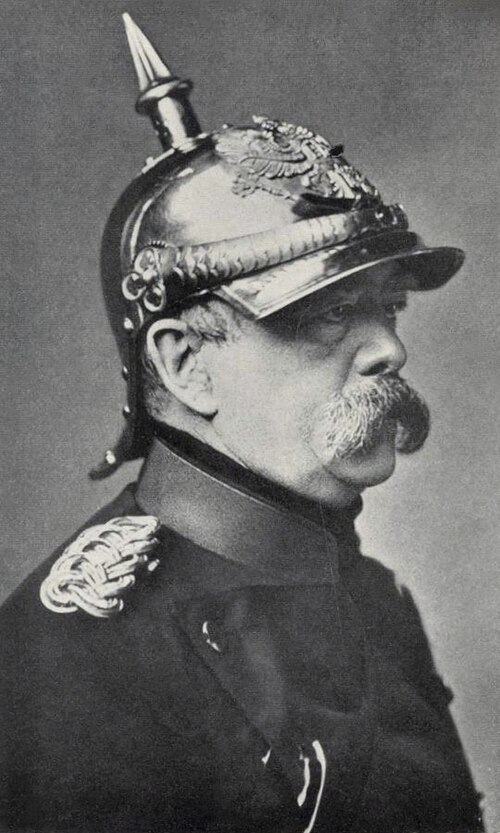
It represents the last moment before war changed completely—when nations entered the First World War with the appearance of the past, only to be transformed by the reality of the present. It is a symbol of a military identity that could not withstand the scale and violence of modern conflict.
Look closely at it.
The craftsmanship. The detail. The pride in its design.
Then consider how quickly it disappeared from the battlefield.
Preserved within the collection of Ghosts of the Battlefield, the Pickelhaube reminds us that war often begins with one idea of what it will be—and ends as something entirely different.

 Before the trenches, before the mud and wire, there was the image of war.
 system.
