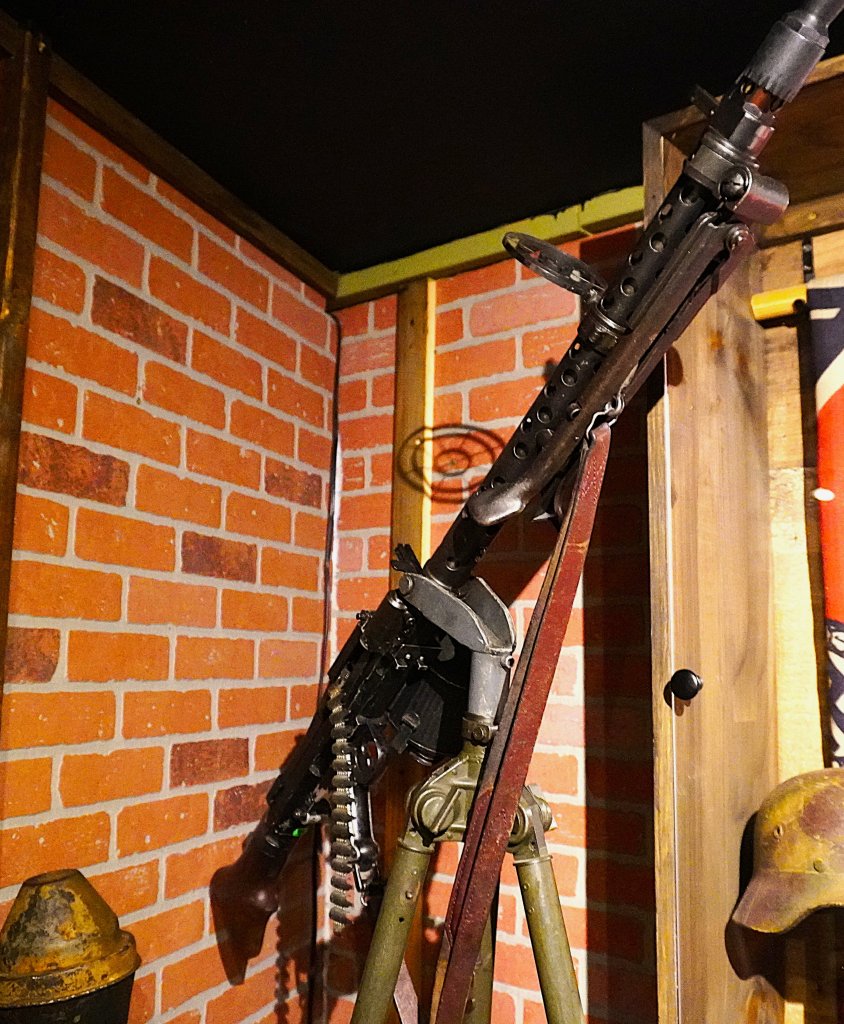
 By the late 1930s, warfare had entered a new phase—one defined not only by mobility and speed, but by the integration of firepower at every level of the battlefield. At the center of this transformation stood a weapon that would redefine infantry tactics: the German MG34.
Introduced in 1934, the MG34 was the world's first true general-purpose machine gun. Designed to fulfill multiple roles—from light machine gun to sustained-fire support weapon—it embodied a level of versatility previously unseen in military small arms. Chambered in 7.92×57mm Mauser, the MG34 was capable of both semi-automatic and fully automatic fire, delivering a high rate of fire that could dominate large areas of the battlefield in seconds.
Unlike earlier machine guns, which were often heavy, static, and limited to defensive positions, the MG34 was engineered for mobility. It could be deployed with a bipod for use by infantry on the move, or mounted on a tripod for sustained fire in defensive or support roles. This adaptability made it the cornerstone of German infantry doctrine, where the squad itself was built around the machine gun rather than the rifleman.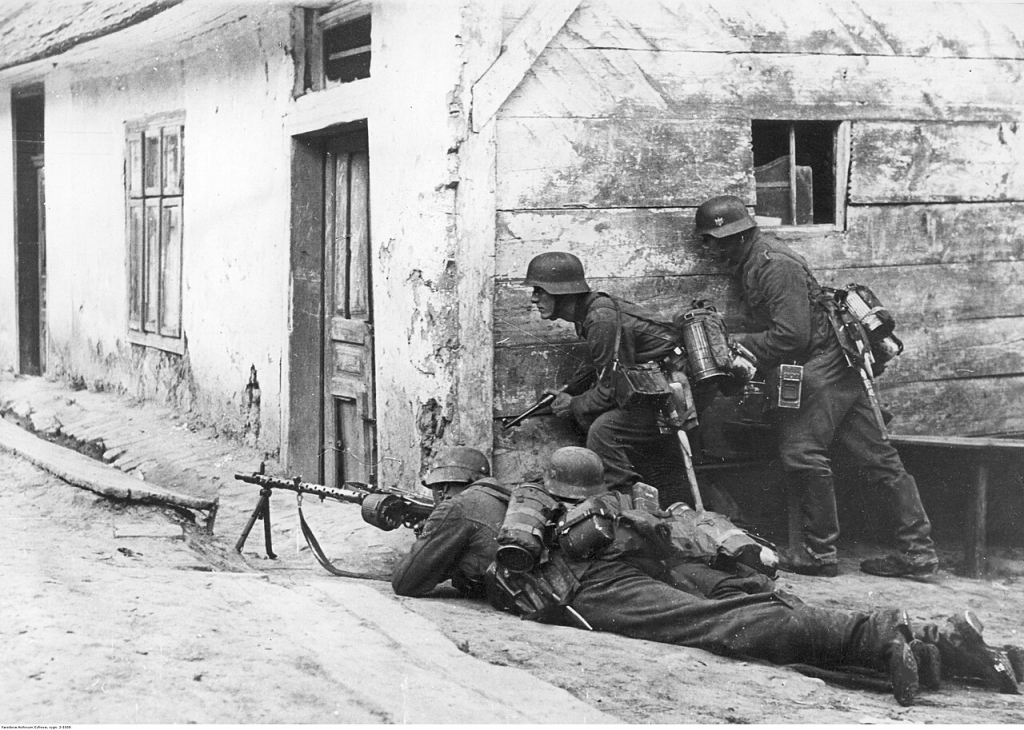
The weapon's precision engineering reflected Germany's industrial capabilities at the time. Machined from high-quality steel with tight tolerances, the MG34 offered exceptional reliability and accuracy under ideal conditions. However, this level of craftsmanship came at a cost. The weapon was expensive and time-consuming to produce, and its finely fitted components could be sensitive to dirt and debris—factors that would later influence the development of its successor, the MG42.
On the battlefield, the MG34's impact was immediate and profound. Its high cyclic rate, combined with the ability to quickly change barrels to prevent overheating, allowed for sustained suppressive fire that could pin down enemy forces and shape the course of engagements. Whether mounted on vehicles, used in fortified positions, or carried forward with advancing infantry, the MG34 became a defining feature of German combat operations during the early years of World War II.
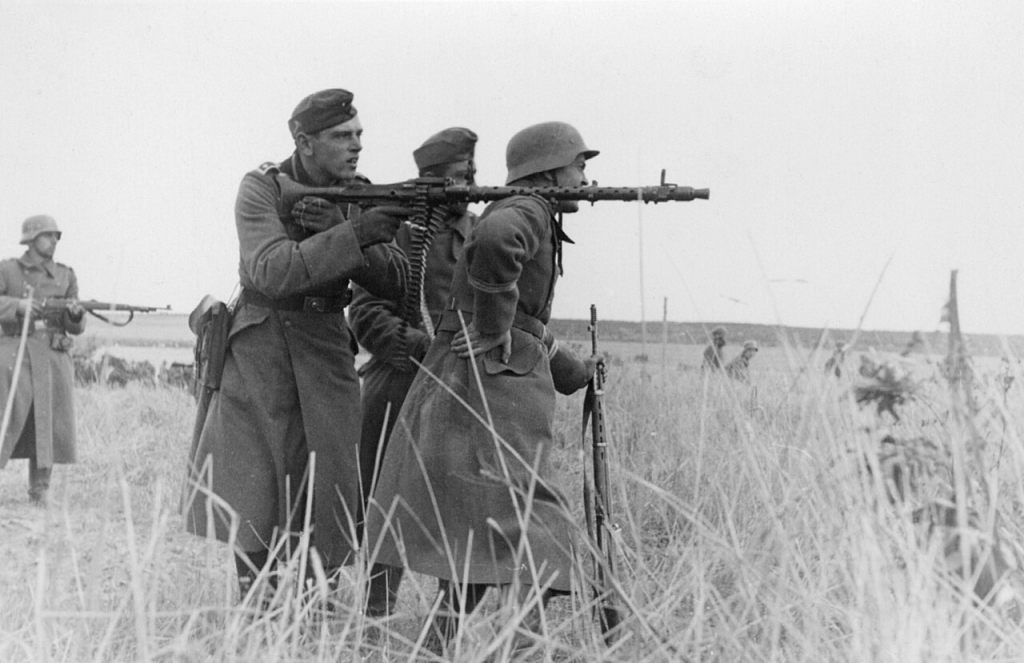 For the soldiers who operated it, the MG34 was both a powerful asset and a significant responsibility. The gun required a trained crew to manage ammunition, maintain the weapon, and coordinate fire effectively. In return, it provided a level of firepower that could influence entire sectors of the battlefield, reinforcing the central role of the machine gun in modern warfare.
This artifact represents more than a technological achievement; it reflects a shift in how wars were fought. The MG34 marked the transition from static, position-based firepower to flexible, integrated systems that moved with the soldier. It illustrates how industrial design, tactical doctrine, and battlefield necessity converged to reshape the experience of combat.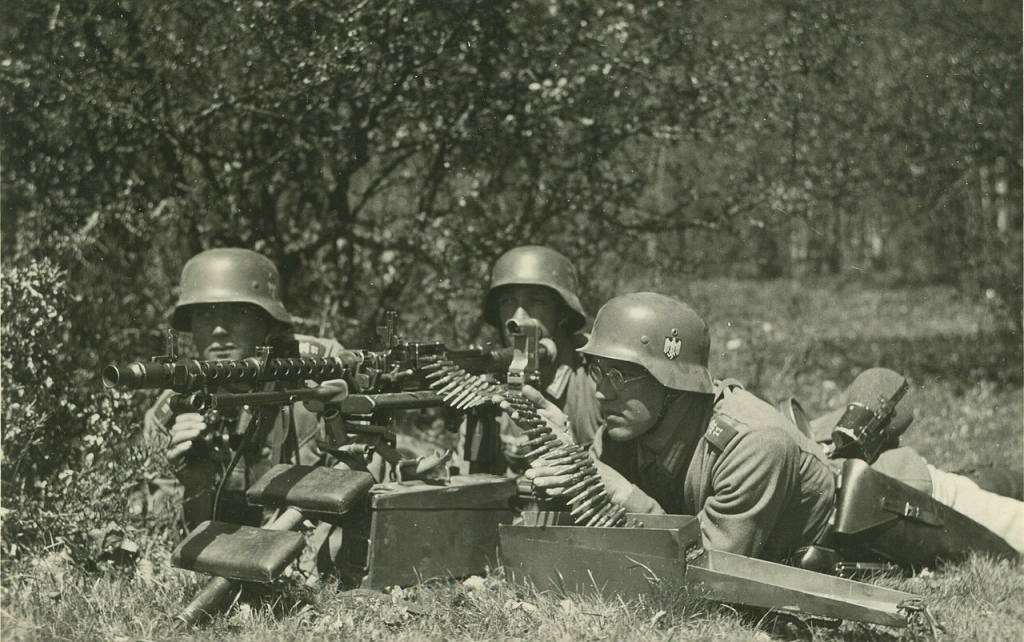
Preserved within the collection of Ghosts of the Battlefield, the MG34 stands as a testament to this transformation. It is a reminder that behind every advancement in weaponry lies a corresponding change in the lives of those who carried it—soldiers adapting to new realities, where speed, coordination, and firepower defined survival.

 By the late 1930s, warfare had entered a new phase—one defined not only by mobility and speed, but by the integration of firepower at every level of the battlefield. At the center of this transformation stood a weapon that would redefine infantry tactics: the German MG34.
 For the soldiers who operated it, the MG34 was both a powerful asset and a significant responsibility. The gun required a trained crew to manage ammunition, maintain the weapon, and coordinate fire effectively. In return, it provided a level of firepower that could influence entire sectors of the battlefield, reinforcing the central role of the machine gun in modern warfare.