A Paper Bathed in Glory
A 1930 American Legion menu in the Ghosts of the Battlefield collection bears the signatures of eleven Medal of Honor recipients whose courage reached from Veracruz and the Atlantic to the skies and battlefields of World War I.
July 18, 2026

The story of the First World War is often told through photographs of muddy trenches, charging infantrymen, and soaring biplanes. Yet sometimes, history survives in the most unexpected places. A faded piece of paper. A banquet menu. Something never intended to become a museum artifact.
In our collection is one of the most remarkable pieces of signed military history we have ever had the privilege to preserve—a 1930 American Legion banquet menu bearing the signatures of eleven Medal of Honor recipients whose acts of heroism span the opening years of the twentieth century and the battlefields of the Great War.
At first glance, it is simply a menu from an American Legion gathering. But upon closer examination, it becomes something far greater. Gathered in one room were men who had faced machine gun fire in the trenches of France, fought desperate battles at sea against German submarines, and dueled enemy aircraft thousands of feet above the Western Front. Collectively, these men earned eleven Medals of Honor through actions that have become part of American military history.
Perhaps most extraordinary of all is the date. The menu was signed in 1930, only twelve years after the end of World War I. These were not distant historical figures or names carved into marble memorials. They were veterans still relatively young men, sitting together as comrades of the American Legion, sharing stories of a war that remained vivid in their memories.
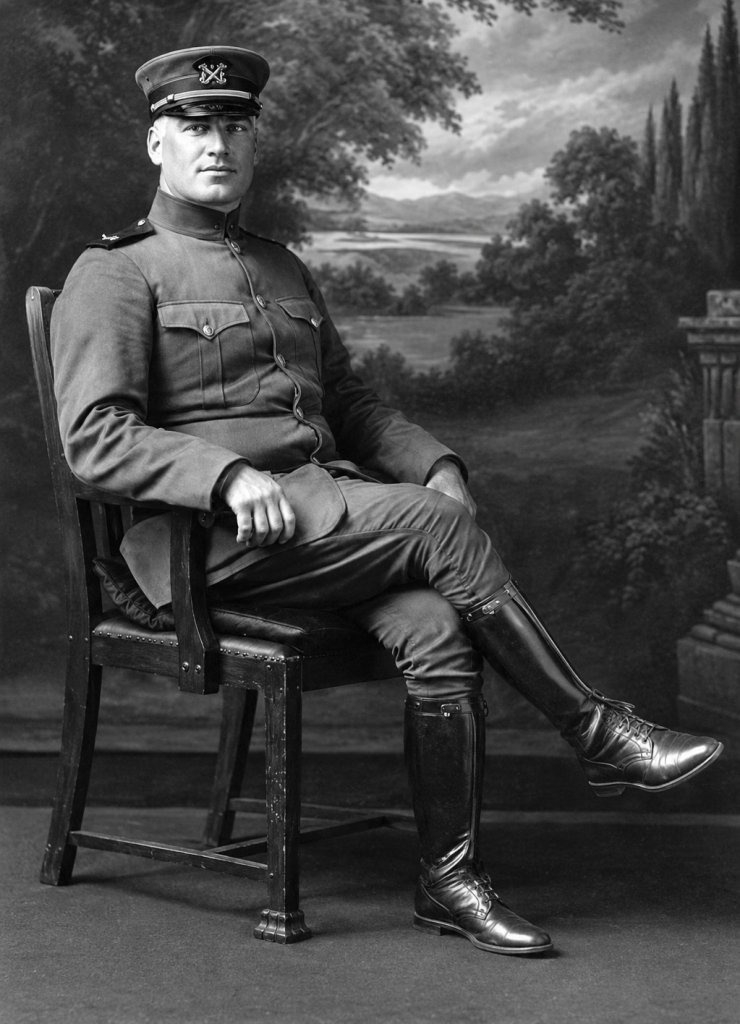 Patrick McGunigal
 Patrick McGunigal
Patrick McGunigal served aboard USS Huntington during one of the earliest naval actions involving American forces during World War I. On September 17, 1917, Huntington was escorting a convoy across the Atlantic when it collided with a British merchant vessel. As the two ships became entangled, German submarine U-boat threats remained a constant danger.
McGunigal displayed extraordinary heroism during the emergency, repeatedly exposing himself to danger while assisting in rescue operations and attempting to save fellow sailors trapped during the collision. His courage earned him the Medal of Honor and secured his place among America's naval heroes of the Great War.
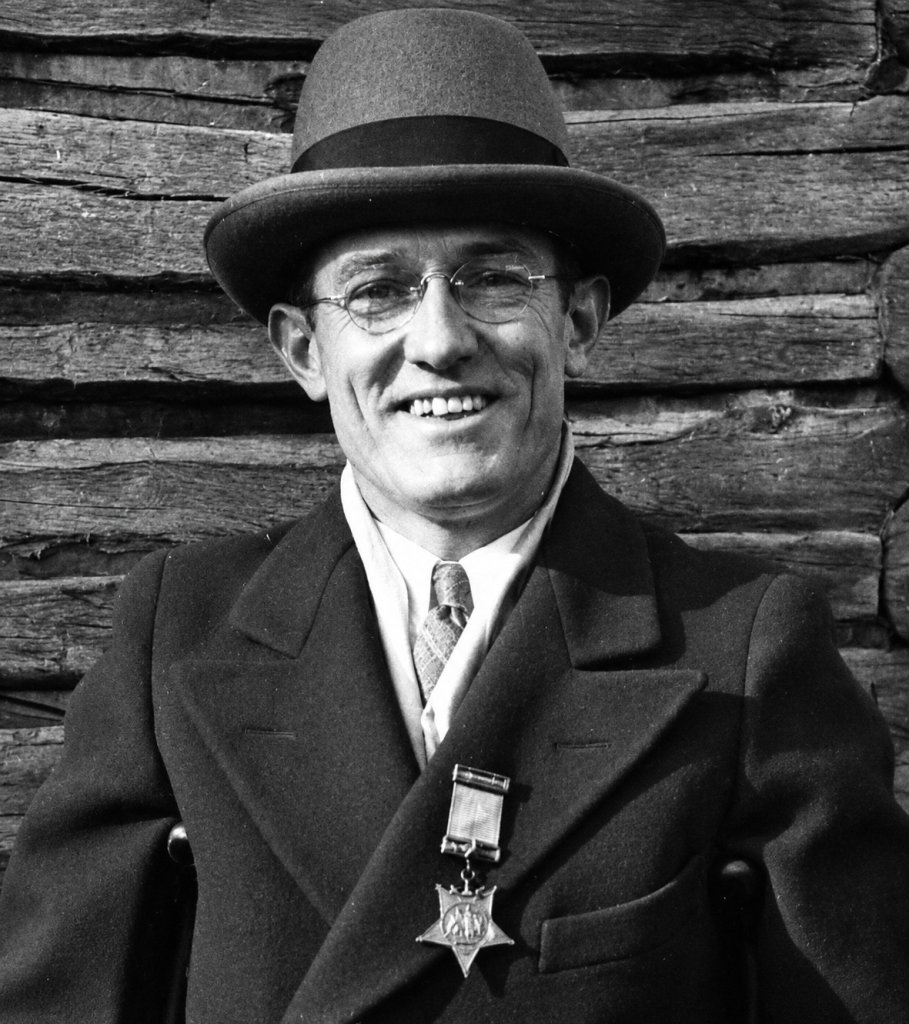 Edward A. Gisburne
 Edward A. Gisburne
Edward Augustus Gisburne's Medal of Honor predates World War I and was earned during the American occupation of Veracruz, Mexico, on April 21 and 22, 1914. Serving aboard USS Florida, Gisburne participated in one of the last major American military operations before the outbreak of the Great War.
The Veracruz landings saw American sailors and Marines fight through the streets of the Mexican port city under hostile fire. Gisburne distinguished himself by his conspicuous bravery during the operation. Though overshadowed by later conflicts, Veracruz produced more than fifty Medal of Honor recipients and remains a significant chapter in early twentieth-century American military history.
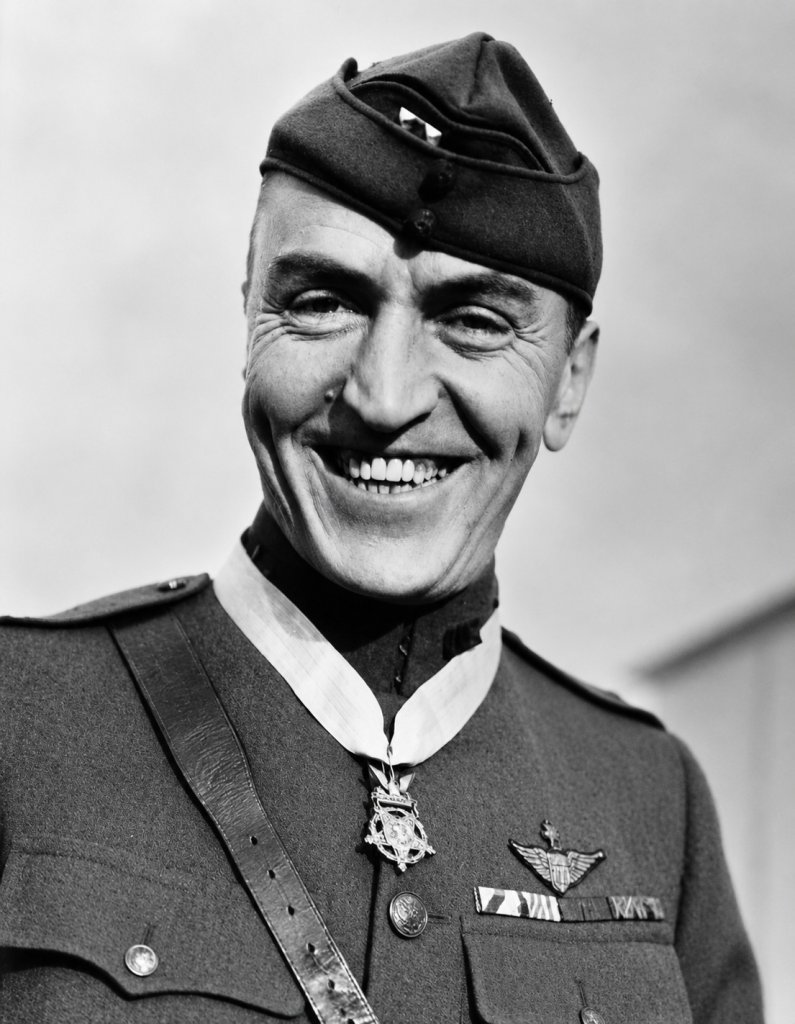 Captain Eddie Rickenbacker
 Captain Eddie Rickenbacker
No signature on this menu is more immediately recognizable than that of Eddie Rickenbacker.
America's greatest fighter ace of World War I began his career not in aviation but as an automobile racing driver. When war came, he volunteered for military service and eventually joined the famed 94th Aero Squadron—the "Hat in the Ring" squadron.
By the war's end, Rickenbacker had officially been credited with twenty-six aerial victories, making him America's highest-scoring ace of the conflict. His Medal of Honor was awarded for his actions on September 25, 1918, when he single-handedly attacked seven German aircraft near Billy, France. Despite overwhelming odds, he shot down one enemy plane and forced another from the fight before returning safely.
Rickenbacker would go on to become one of America's most celebrated military heroes and aviation pioneers. His postwar accomplishments included leadership roles in the airline industry and service as a trusted military advisor during the Second World War.
Click Here to learn more about Eddie Rickenbacker
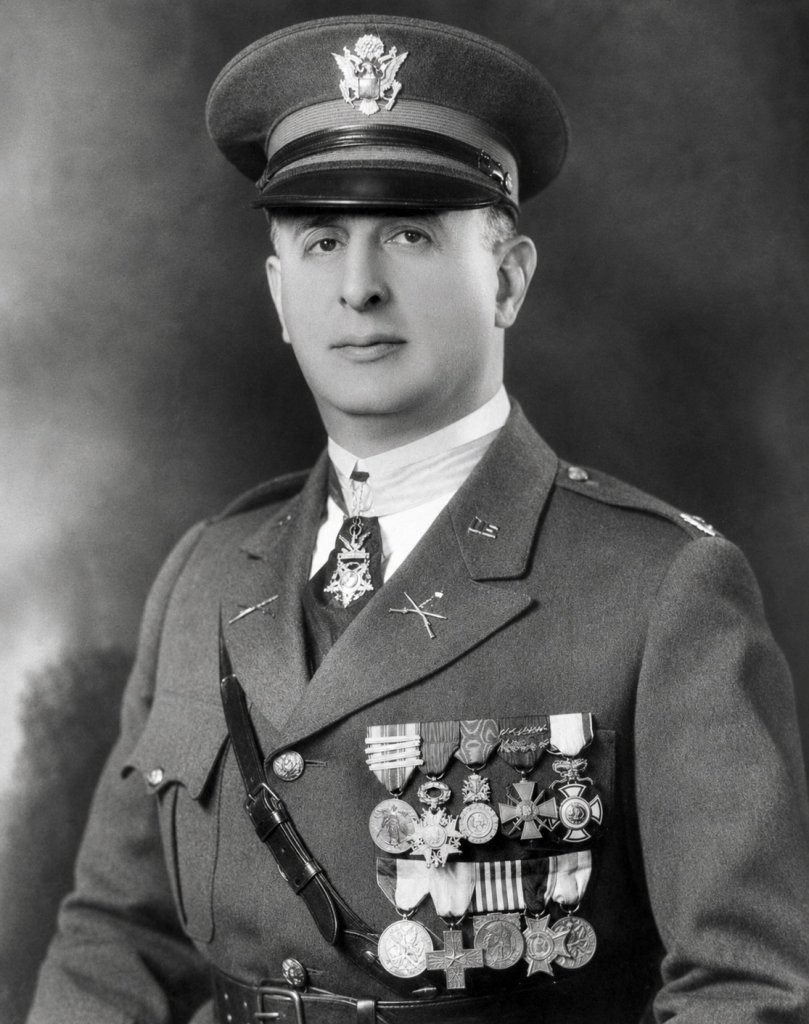
Sydney Gumpertz served with Company E, 132nd Infantry Regiment of the 33rd Infantry Division during the Meuse-Argonne Offensive.
On September 29, 1918, near Bois-de-Forges, France, Gumpertz displayed extraordinary courage while advancing against heavily defended German positions. Under intense enemy fire, he continued his assault despite overwhelming danger and inspired those around him through his actions.
His Medal of Honor citation reflects the brutal reality of trench warfare during the closing months of World War I—a conflict in which individual acts of courage often determined whether entire units would live or die.
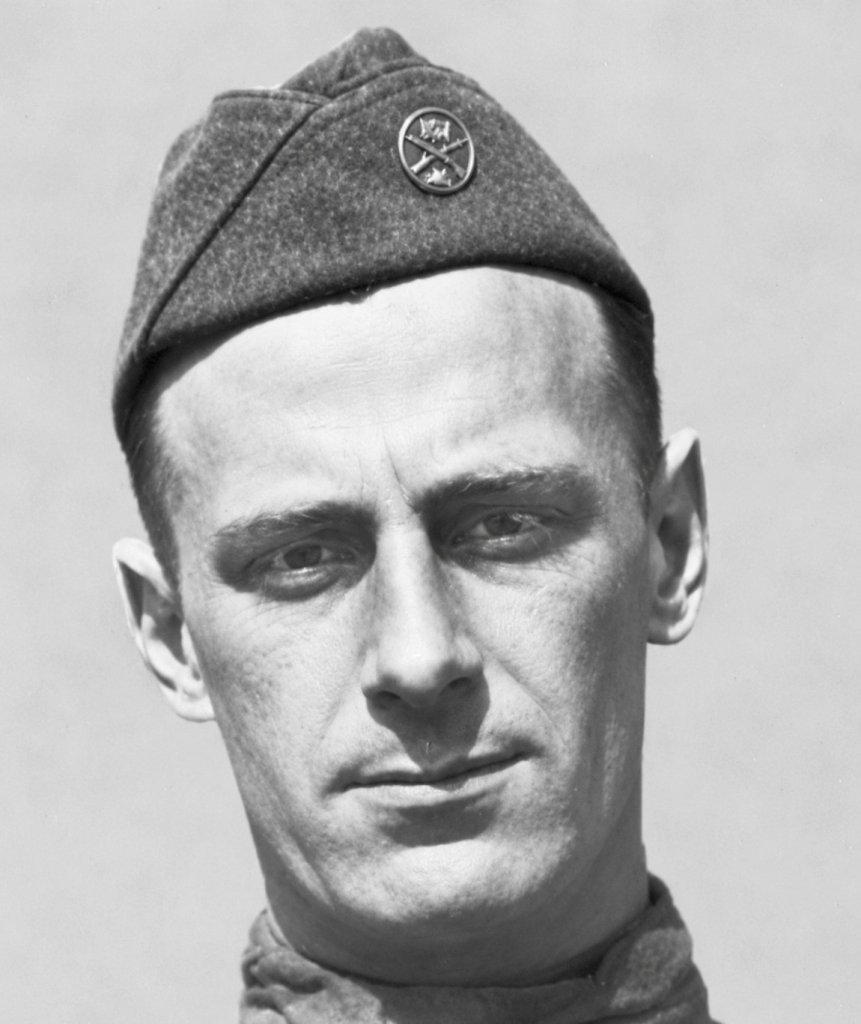 John C. "Jack" Latham
 John C. "Jack" Latham
Serving with the 107th Infantry Regiment of the famed 27th Infantry Division, John C. Latham earned his Medal of Honor during the fighting near Le Catelet, France, on September 29, 1918.
The 27th Division played a crucial role in breaking through portions of the Hindenburg Line, Germany's seemingly impregnable defensive system. Latham distinguished himself through fearless leadership and gallantry while advancing under heavy enemy fire.
The fighting around Le Catelet was among the most intense encountered by American forces during the war, and Latham's heroism contributed directly to the Allied advance that would ultimately bring Germany to the negotiating table.
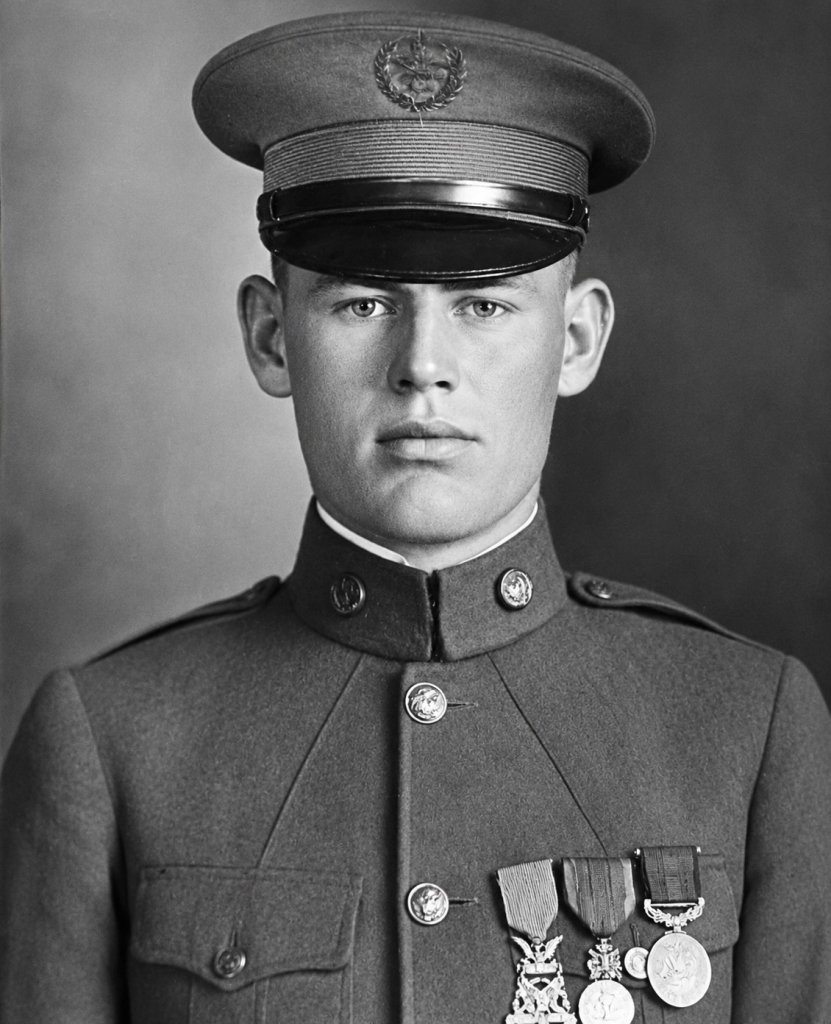
Gary Evans Foster
Served with Company F, 118th Infantry Regiment, 30th Infantry Division.
Near Montbrehain, France, on October 8, 1918, Foster demonstrated exceptional bravery during one of the final Allied offensives of the war. Despite severe enemy resistance, he repeatedly exposed himself to hostile fire while leading attacks and assisting fellow soldiers.
The 30th Infantry Division, often referred to as "Old Hickory," gained an extraordinary reputation during World War I. Even German commanders reportedly considered it among the finest Allied divisions they encountered on the Western Front.
Richmond H. Hilton
Only three days later, on October 11, 1918, Richmond Hilton, also serving with the 118th Infantry Regiment, earned his Medal of Honor near Brancourt, France.
Hilton's actions epitomized the determination of American infantrymen during the final weeks of the war. Fighting through machine gun fire and heavily fortified positions, he displayed remarkable courage that helped secure victory during some of the conflict's most decisive battles.
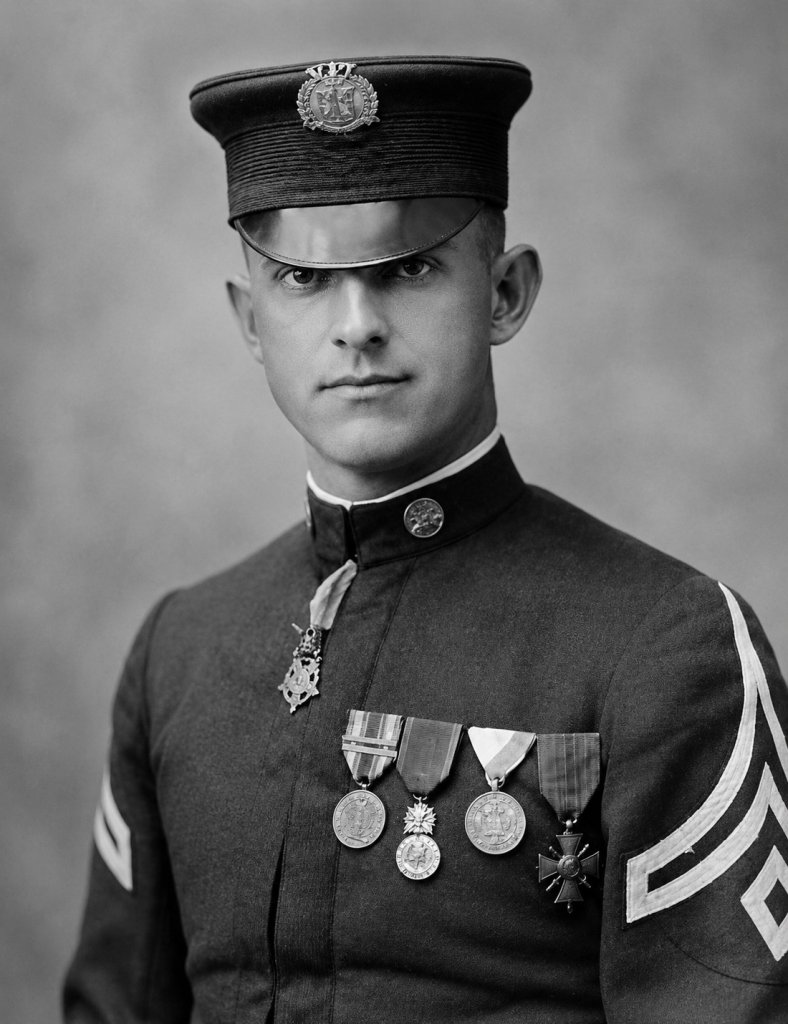 Earle Davis Gregory
 Earle Davis Gregory
Among Virginia's greatest military heroes, Earle Davis Gregory earned his Medal of Honor near Bois-de-Consenvoye, north of Verdun, on October 8, 1918.
After his company suffered heavy casualties, Gregory launched repeated attacks against German machine gun positions. Acting virtually alone at times, he captured numerous enemy soldiers and neutralized multiple machine gun nests that threatened the advance of American forces.
Gregory's heroism became legendary. He remains the first Virginian to receive the Medal of Honor during World War I and later served his nation again during World War II.
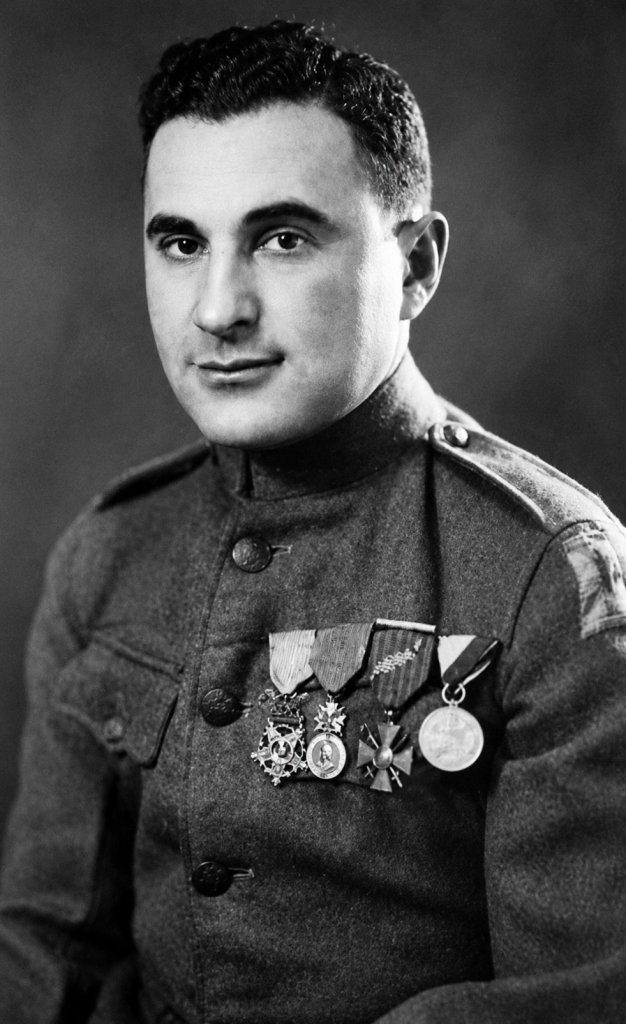 Benjamin Kaufman
 Benjamin Kaufman
Benjamin Kaufman served with Company K, 308th Infantry Regiment of the famed 77th Division during the Meuse-Argonne Offensive.
On October 4, 1918, despite suffering severe wounds, Kaufman captured numerous enemy soldiers while continuing to direct combat operations. Even after receiving significant injuries, he refused evacuation until his mission was complete.
Kaufman's determination embodies the extraordinary sacrifices made by America's citizen soldiers during World War I.
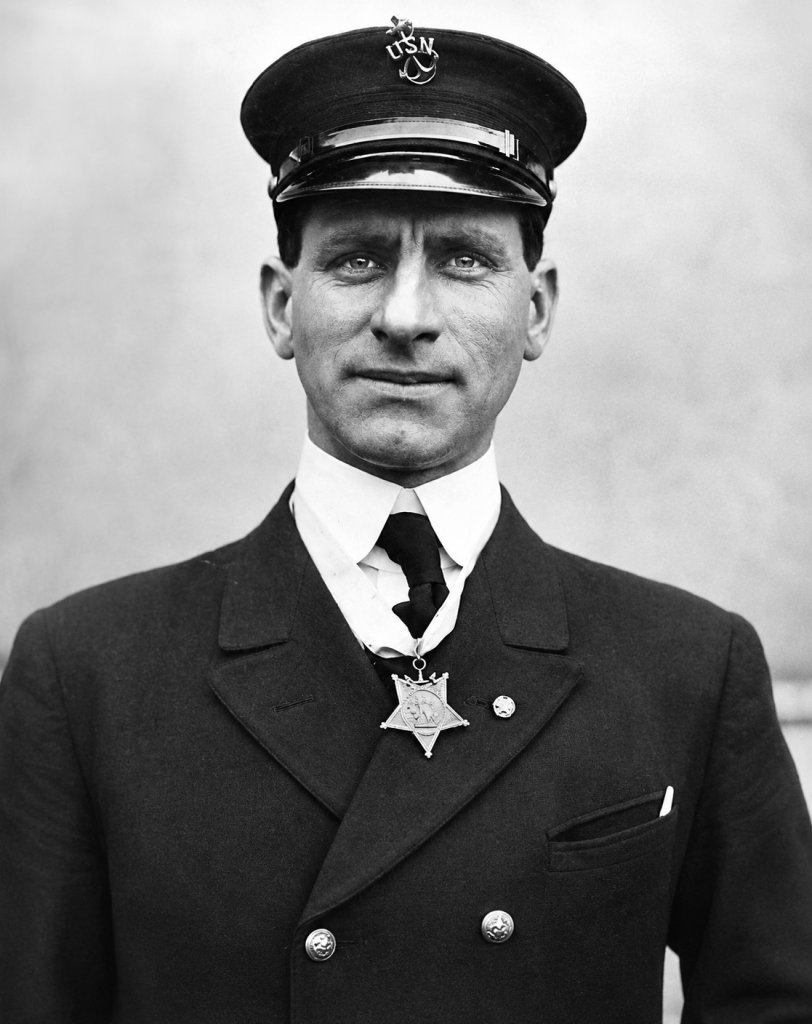 John MacKenzie
 John MacKenzie
The final signature belongs to John MacKenzie of USS Remlik.
On December 17, 1917, while serving in the Bay of Biscay, MacKenzie distinguished himself during combat operations against German submarines. His Medal of Honor recognized exceptional courage and devotion to duty during one of the most dangerous assignments of the war—the protection of Allied shipping across submarine-infested waters.
The Battle of the Atlantic did not begin in World War II. Sailors like MacKenzie faced deadly U-boat threats decades earlier during World War I, helping ensure that men and materiel reached Europe to support the Allied cause.
A Paper Bathed in Glory
What makes this artifact truly extraordinary is not simply the names it bears, but what those names represent.
Eleven Medal of Honor recipients. Eleven stories of courage. Eleven men whose actions shaped the history of the First World War and America's role upon the world stage.
Today, museums display tanks, aircraft, uniforms, and weapons that are rightly celebrated as treasures of military history. Yet this simple banquet menu may tell us something equally important—that these legends were human beings who gathered together as friends and comrades long after the fighting ended.
One can almost imagine the room in 1930. Eddie Rickenbacker recounting aerial combat over France. Samuel Woodfill discussing the Meuse-Argonne. Sailors comparing Atlantic convoy duty while infantrymen reflected on the trenches and machine gun nests that nearly claimed their lives.
They laughed together. They remembered together. And before the evening was over, they signed a simple menu that was never meant to survive.
Nearly a century later, that piece of paper remains—a silent witness to an evening when eleven American heroes sat around the same table.
Some artifacts preserve history. Others preserve humanity.
This remarkable menu does both.
Help Us Preserve Their Stories
Preserved in the Ghosts of the Battlefield collection, this artifact stands as one of the most unique gatherings of World War I Medal of Honor recipients represented on a single historical document—a tangible connection to America's Greatest Generation before they were ever called that.