The Long Watch and the Stories That Follow
Night watch changes familiar places. Veterans share stories of strange sights and sounds that linger long after service ends.
July 9, 2026

 There is something different about standing watch at night. Anyone who has ever served knows the feeling. The world changes after dark. Familiar places become unfamiliar. The wind sounds louder than it did during the day. Shadows seem to stretch farther than they should. Every distant movement catches your attention, and every unexplained sound demands an answer.
Whether you stood guard at a stateside installation, walked a perimeter in a combat zone, pulled security on a flight line, or spent long hours alone in a tower overlooking an empty landscape, the experience is remarkably similar. The night has a way of narrowing your focus while simultaneously expanding your imagination. It is also one of the experiences that quietly connects generations of service members. A soldier, sailor, airman, Marine, or guardian may have served in different places and different eras, but the feeling of standing watch in the darkness is something they all understand.
Military service teaches vigilance. You are trained to notice what others overlook. A broken silhouette, an unusual sound, a flicker of movement where none should exist—these details matter. In many situations, your safety and the safety of others depend on your ability to recognize them. Yet that same awareness can create a peculiar tension after the sun goes down. The mind begins filling in gaps that daylight would easily explain.
Most veterans can recall at least one night when something felt off. Maybe it was a strange light hovering in the distance. Perhaps it was footsteps heard beyond a fence line when nobody was supposed to be there. Some remember hearing voices carried on the wind only to discover they were completely alone. Others tell stories of figures glimpsed for a split second at the edge of their vision before disappearing into the darkness.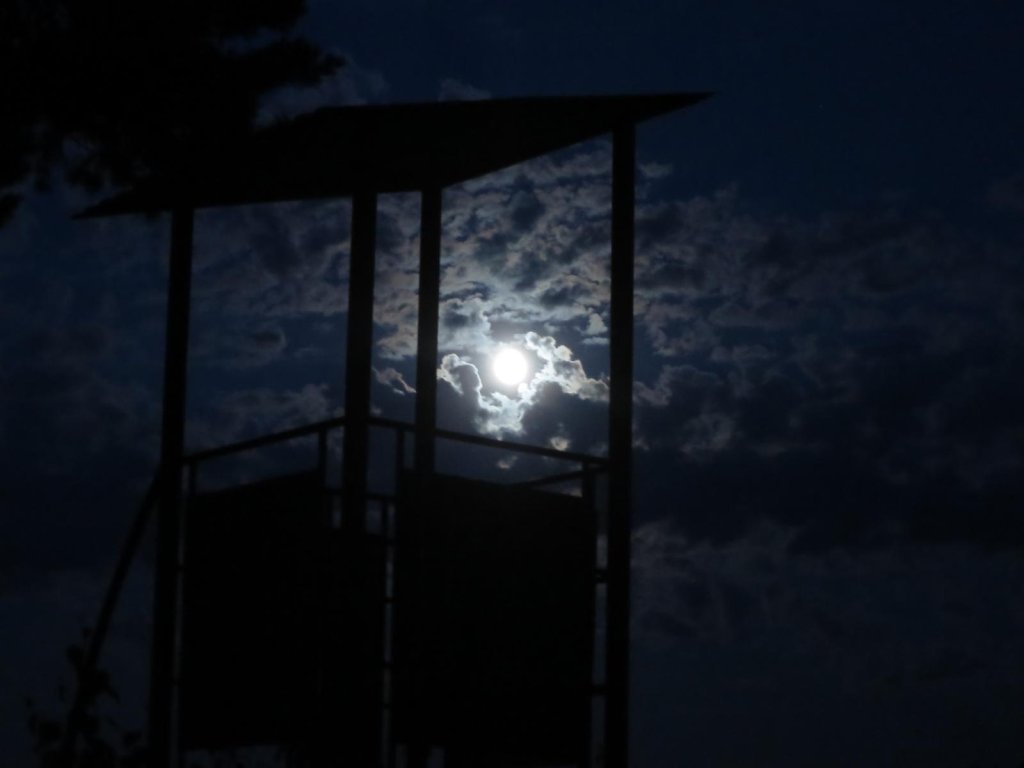
These incidents often became stories shared between shifts. Every unit seems to have them. The abandoned building nobody liked to patrol alone. The stretch of road where strange things were supposedly seen. The old barracks room with a reputation that preceded every new occupant. The stories were usually told with a grin and a laugh, the kind of tales meant to pass the time during long hours of boredom. Yet what made them endure was the uncomfortable fact that many listeners eventually experienced something of their own.
Military installations are places layered with history. Some occupy ground that has witnessed generations of service members come and go. Others were built near battlefields, former airfields, or training grounds where countless stories have unfolded. Even in locations without any dramatic history, the simple act of spending long periods alone in darkness can create experiences that remain vivid decades later.
 Most of these moments probably have ordinary explanations. Fatigue, weather, wildlife, distant machinery, and the human tendency to find patterns where none exist can account for much of what people see and hear. Anyone who has spent enough nights on watch understands how easily the mind can transform uncertainty into something memorable.
And yet, that explanation never quite satisfies everyone.
Perhaps that is why these stories persist. They occupy a space somewhere between fact and folklore. They become part of the shared culture of military life, passed from one generation of service members to the next. Whether believed completely, dismissed entirely, or held somewhere in between, they remind us of a universal experience: the feeling of being alone in the darkness, responsible for watching over something larger than yourself.
There is also a connection found in these stories that is difficult to explain to anyone who has never served. A soldier standing guard on a cold night decades ago may have little in common with a Marine on a flight line, a sailor walking the deck of a ship, or an airman pulling security at a remote installation. Yet when the conversation turns to long nights, strange sounds, and things seen at the edge of the darkness, the details almost always feel familiar. The locations change. The uniforms change. The years pass. But the experience remains remarkably similar.
Perhaps that is because the stories are not really about ghosts, mysterious lights, or unexplained noises. They are about shared moments of isolation, responsibility, and awareness. They are about standing watch while others sleep, trusting the person who stood the shift before you and preparing to hand that responsibility to the person who comes after. In that way, these stories become part of something larger than themselves. They become part of the bond created by service.
Years later, veterans may forget routine days filled with paperwork, inspections, and schedules. But many can still recall a particular night watch with remarkable clarity. They remember the silence. They remember the darkness. They remember the moment something caught their attention and made them wonder, if only for a second, whether they were truly alone.
And when those stories are shared with another veteran, there is often an immediate understanding. No explanation is required. Both remember what it felt like to stare into the darkness, listening to the wind, watching the shadows, and carrying the quiet responsibility of the watch.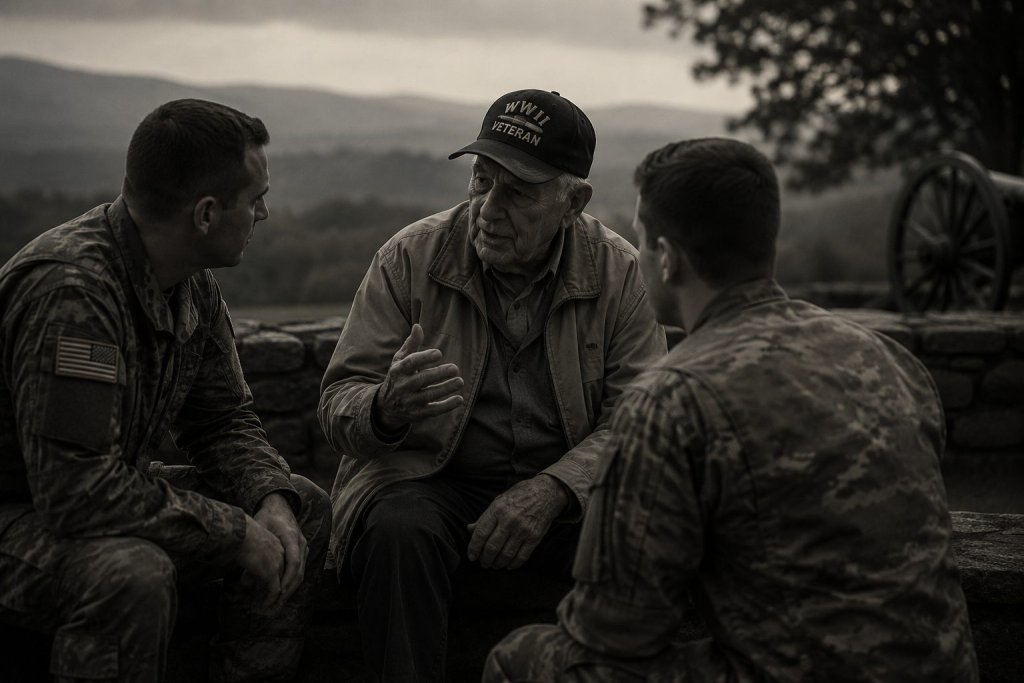
Maybe that is the real power of these stories. Not whether they are supernatural, but how they connect generations of service members through a common experience. The long watch. The endless darkness. The heightened awareness that comes from standing guard while the rest of the world sleeps. And sometimes, the memory of something that still cannot be fully explained.
Help preserve the stories behind the artifacts. Click here to support Ghosts of the Battlefield.