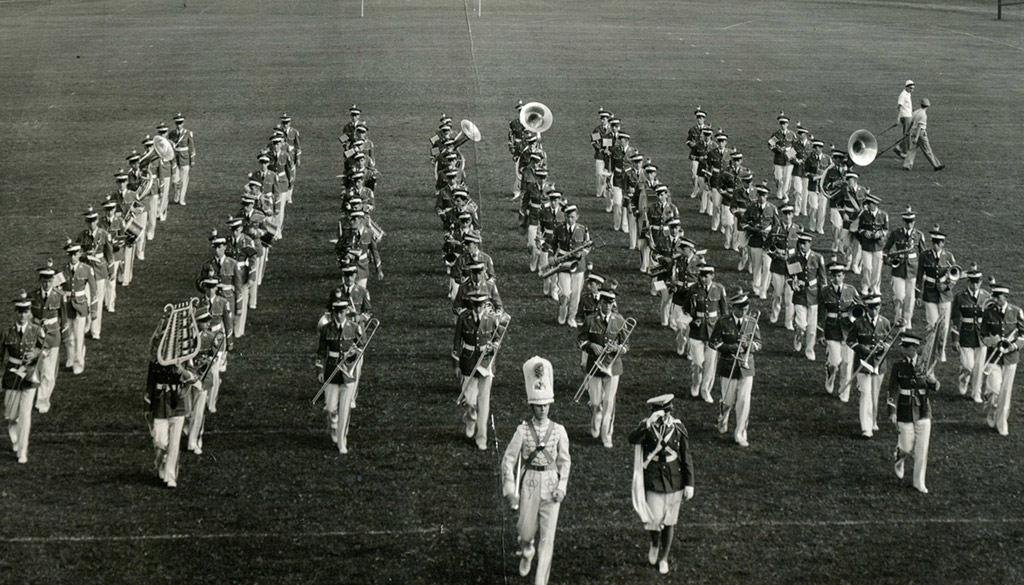
Taps, how a simple sound grows into lasting meaning.
Music moves beyond words, stirring emotion, memory, and feeling in ways that are felt instantly and understood only long after.
July 10, 2026

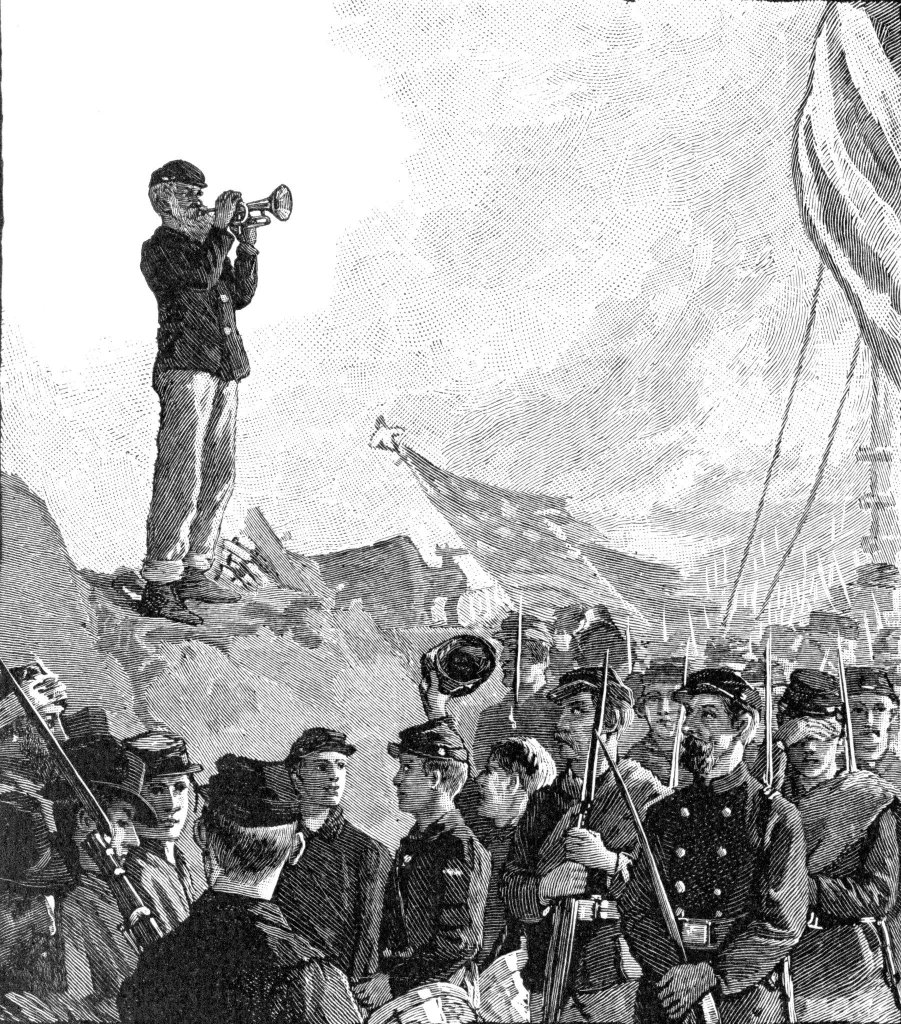
Some of the most powerful moments in a war film do not happen during the battle itself. They slip quietly into the spaces between larger events, almost unnoticed until their meaning finally catches up with us.
Watching Gettysburg, the moment arrives in a way that feels almost effortless rather than dramatic. The soldiers are marching, the scene loose and unguarded, the kind of brief calm that exists between the weightier moments of war. There’s a casual frustration in the air—one soldier admitting how difficult it is to keep all the bugle calls straight, all those signals that governed the rhythm of camp life. In response, he’s told something simple: he doesn’t need to remember all of them. Just the important one. The special one. The call Dan Butterfield wrote for their own regiment out there in the field.
It’s delivered without ceremony, almost like passing along a piece of practical advice rather than history. Nothing about it suggests what the moment will become.
Then, in a separate exchange—half-heard, almost drifting in the background—someone quietly demonstrates it. Just the opening notes: “ta ta ta…” barely formed, almost casual, like a fragment of memory rather than a performance. At first, it doesn’t register as anything significant. It blends into the movement of the scene, into the sense of soldiers simply trying to carry on with the countless small details of military life.
But then recognition creeps in.
Because those notes are Taps.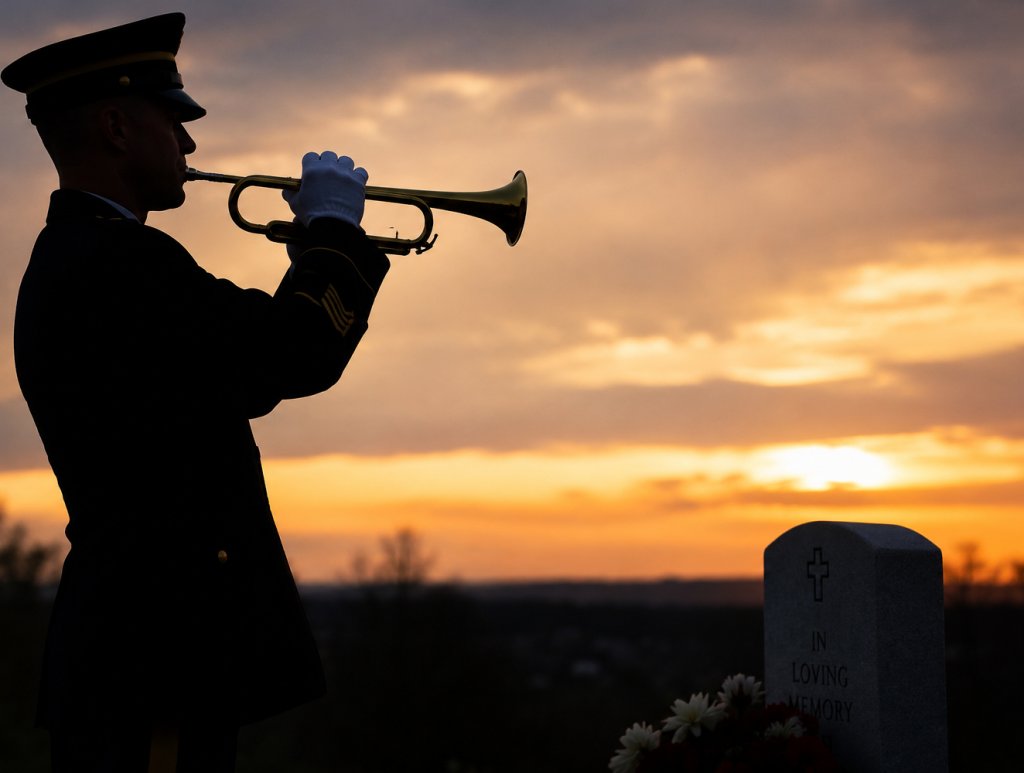
What makes the moment so striking is not how it is introduced, but how unremarkable it is at first. There’s no announcement that something important is happening, no signal that history is being invoked. It is just one more sound in a world already filled with signals. And yet, underneath that simplicity, something larger is present—the origin of a call that would eventually carry far beyond its original purpose.
Butterfield’s creation was never meant to be grand in that way. It began as a refinement of necessity, a more melodic and personal “lights out” call tailored for his brigade. Not ceremonial, not mournful—just clearer, more expressive, something that fit the men who had to live by it. But the very qualities that made it effective in camp—its restraint, its clarity, its quiet emotional shape—also made it unforgettable.
Over time, that simplicity proved to be its strength. The same notes that once marked the end of a soldier’s day would, in other moments and other hands, come to mark something far more final. Not because it was designed for it, but because people recognized in it a feeling that words couldn’t quite hold.
That’s what lingers in the Gettysburg scene. Not just the history behind the call, but the way it is allowed to enter quietly, almost unnoticed, as part of ordinary conversation. And yet it carries with it the entire weight of what it will become.
Help preserve the stories behind the artifacts. Click here to support Ghosts of the Battlefield.