A Taste of Home: What Tony Packo’s Teaches Us About Memory and Service
Tony Packo’s shows how an ordinary place can become a symbol of home, helping service members endure hardship while keeping history alive.
August 1, 2026

 History is all around us. Sometimes it stands on a battlefield, rests inside a museum display, or survives in the folds of an old uniform. At other times, it can be found in a restaurant—among crowded tables, familiar food, signatures on the walls, and stories repeated across generations.
During a recent visit to Tony Packo’s Cafe in Toledo, Ohio, I was reminded of just how powerful an ordinary place can become. The restaurant gained national recognition through actor Jamie Farr and the television series MASH*, in which Farr’s character, Corporal Maxwell Klinger, spoke fondly of Tony Packo’s as a piece of his hometown. To viewers, it became part of the character’s personality and one of the show’s recurring jokes. To Klinger, however, it represented something much deeper.
It represented home.
Although MASH* used comedy to tell many of its stories, it never completely separated humor from the reality of war. Beneath the jokes were exhaustion, separation, fear, loss, and the emotional strain carried by people serving far from everything familiar. The show helped keep the Korean War in the public consciousness, but it also captured something experienced by service members in every conflict: the importance of holding onto small reminders of normal life.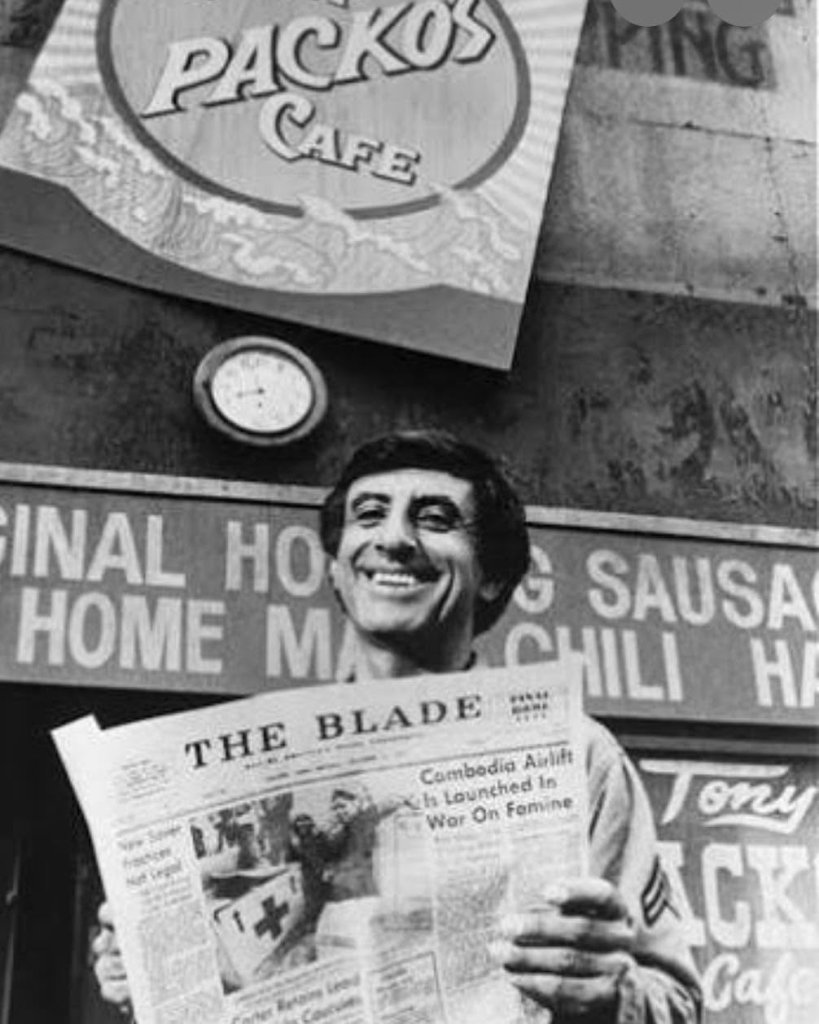
For Klinger, Tony Packo’s was more than a restaurant. It was Toledo. It was familiar food, familiar streets, family, friends, and the life he hoped was still waiting for him beyond the war. Saying its name allowed him, even for a moment, to mentally leave the hospital camp and return home.
That may seem like a small thing, but small things often carry enormous emotional weight during wartime. A favorite brand of beer, a photograph carried in a wallet, a letter read until the paper begins to tear, a song heard on the radio, or the memory of a hometown restaurant can become an anchor. These things remind a person that the world beyond the war still exists and that he or she still belongs to it.
This is closely connected to the mission of Ghosts of the Battlefield. We preserve uniforms, weapons, photographs, letters, personal effects, vehicles, and countless other objects connected to military service. Some are rare and historically significant. Others may appear ordinary or even insignificant. Yet an object does not have to be grand to carry an important story.
 A dented can, a restaurant menu, a postcard, a shaving kit, or a faded photograph may reveal more about a service member’s daily experience than a map of an entire campaign. These objects show us how people coped, what they missed, what made them laugh, and what helped them hold on. They remind us that history is not only made by battles and generals. It is also made through memory, friendship, routine, and the comforts people carry with them when everything familiar has been taken away.
Tony Packo’s continues to preserve that kind of cultural memory. Its signed walls and decades of tradition connect visitors not only to the restaurant’s history, but to MASH*, Jamie Farr, the Korean War setting of the series, and generations of viewers who came to understand the restaurant as part of Klinger’s identity. What began as a hometown reference became something larger—a symbol recognized by people who may never have visited Toledo.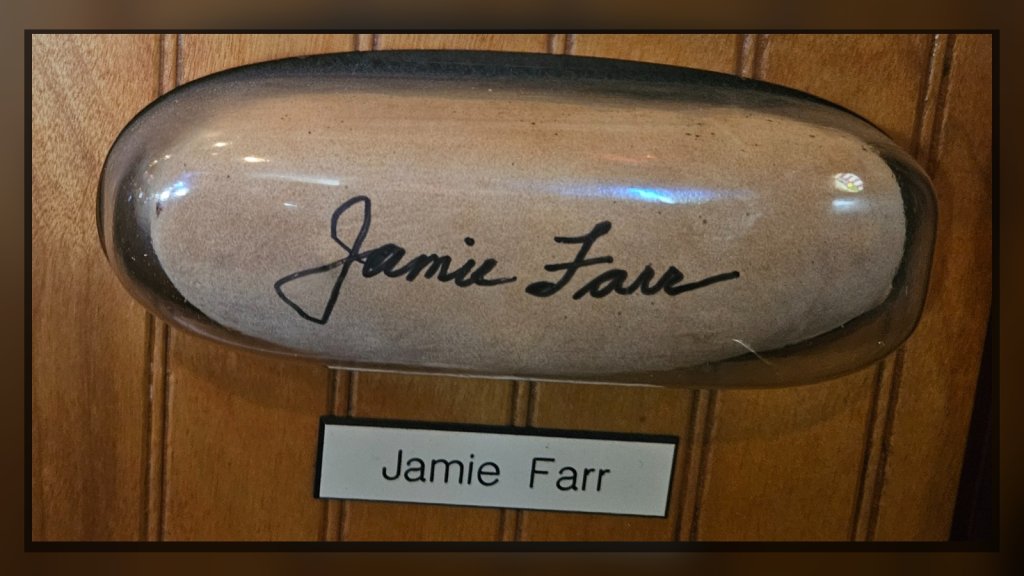
That is how history survives. A place, phrase, photograph, or ordinary object becomes attached to a story. The story is repeated, remembered, and passed on until the object represents far more than itself.
At Ghosts of the Battlefield, we believe those connections matter. Preserving history means protecting the major artifacts of war, but it also means recognizing the little things that kept people going. The reminders of home. The objects passed between friends. The familiar names spoken in unfamiliar places.
Tony Packo’s was “home” for Klinger. For real service members, countless other places and objects have carried that same meaning.
Sometimes what appears insignificant to the rest of us may have meant everything to the person trying to make it through one more day.